Libya Weighs Bakery Support as Flour and Diesel Costs Threaten Bread Prices
Libyan officials are considering support mechanisms for bakeries as higher flour, diesel and transport costs threaten bread-price stability. Flour has risen from about 290 dinars per quintal in January to 380 dinars, while black-market diesel costs 10-11 dinars per liter.
Flour and handling costs climb
Libya is considering measures to support bakeries as rising flour, fuel and transport expenses put pressure on bread prices. Mustafa Al-Sammu, undersecretary at the Ministry of Industry and Minerals in the interim Government of National Unity, discussed implementation mechanisms intended to support bakeries and keep loaf prices stable, according to Al-Wasat. Industry and minerals officials from areas including Tarhuna and Zliten attended the meeting.
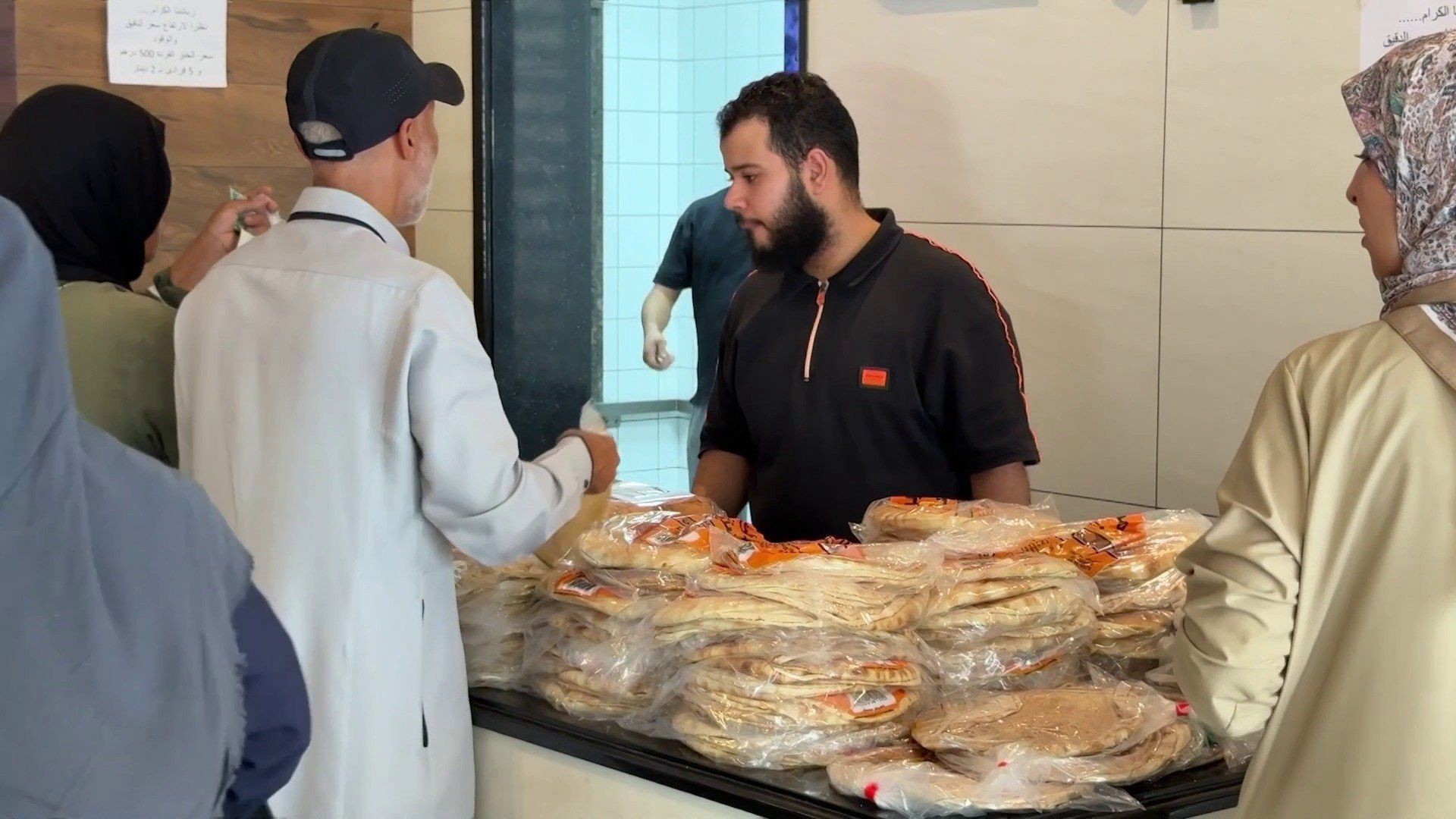
Ali Abu Azza, head of the Higher Committee for Bakery Monitoring in Tripoli, told Al Jazeera that flour prices have increased continuously since the start of the year. A quintal that cost about 290 Libyan dinars in January subsequently rose to 360 dinars and then reached 380 dinars. At the exchange rate cited by Al Jazeera, one US dollar was equivalent to 6.35 dinars.
Loading and transport-related charges have also increased. Abu Azza said handling costs rose from about 0.50 dinar to 1.25 dinars. Because bakers and consumers ultimately buy through closely connected supply channels, higher input costs feed directly into the production cost of bread and other baked goods.
Diesel shortage pushes bakeries to the black market
Fuel availability has become the most immediate operating problem. Al Jazeera reported that Libya had faced a severe fuel crisis for more than a month, affecting both gasoline and diesel. Diesel is particularly important for bakery operations, while electricity shortages add another layer of disruption.
With fuel almost unavailable at filling stations, bakery owners and traders have turned to alternative suppliers in the black market. Diesel there has reached 10-11 dinars per liter, sharply increasing the cost of running ovens and other equipment. Higher gasoline and diesel expenses also raise the cost of moving flour to bakeries and distributing finished products.
The pressure extends beyond standard bread. Libyan bakeries also make pastries and sweets, requiring yeast, sugar and other ingredients. The dinar’s depreciation against the US dollar has made these materials more expensive, particularly when traders must obtain supplies at prices linked directly or indirectly to the parallel currency market.
Government intervention could determine retail prices
Abu Azza warned that without government action to support flour and ensure supplies of diesel, other fuels and electricity, bakeries would pass more of their expenses to consumers. Producers cannot absorb indefinitely the combined increases in ingredients, energy, handling and transport, especially when several costs are rising simultaneously.
The government discussions therefore center on reducing bakery production costs before they translate into higher retail prices. Flour support could address the largest core ingredient, while reliable fuel and electricity would limit dependence on black-market diesel. The effectiveness of any measures will depend on implementation and whether supplies reach operating bakeries consistently.
For millers, ingredient suppliers, transporters and bakery operators, the immediate issue is cash-flow pressure across the domestic supply chain. For consumers, bread-price stability now depends not only on flour prices but also on Libya’s ability to restore regular energy distribution. Until those constraints ease, the cost gap between officially supplied inputs and black-market alternatives will remain a source of upward pressure on bread and bakery products.