Libya’s bread crisis deepens as flour and fuel costs rise amid power cuts
Libyan bakeries are under growing pressure from higher flour and fuel prices, disrupted supplies and electricity outages. The strain is raising concerns about bread availability and household costs.
Bakeries face pressure from several directions
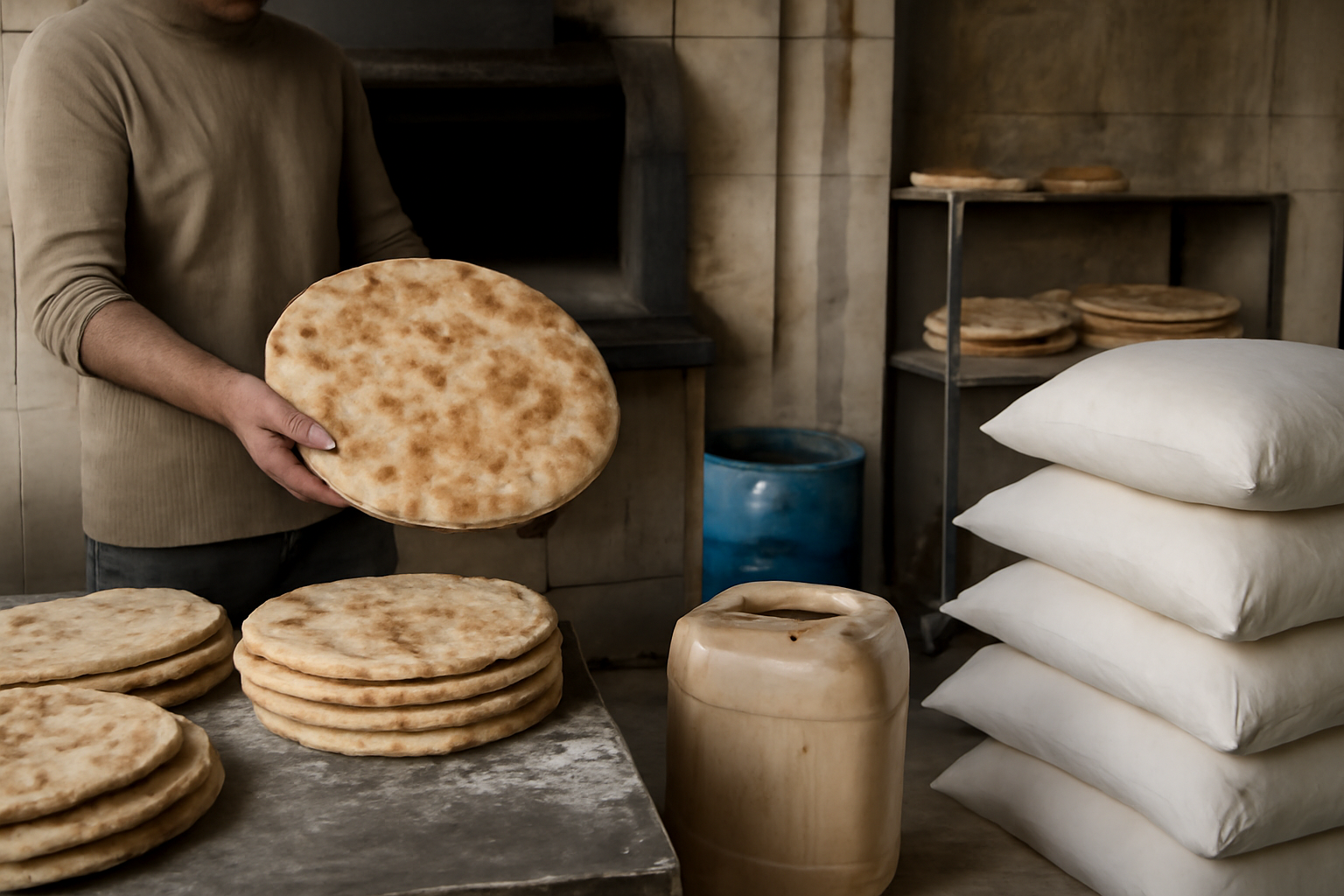
Libya’s bread crisis is worsening as bakeries contend with rising flour and fuel prices, disrupted supplies and recurring electricity outages. Akhbar Libya 24 reported warnings that the combination could deepen the shortage and expose consumers to further price increases. The pressure affects both the cost of producing bread and the ability of bakeries to maintain regular operations.
Flour is the core input for bread production, while fuel and electricity are needed to run ovens, mixers and other bakery equipment. When the prices of these inputs rise at the same time, bakeries have less room to absorb additional costs. Electricity cuts add a separate operational problem: even a bakery with flour and fuel available may be unable to follow its normal production schedule.
Supply disruptions compound higher costs
The reported difficulties are not limited to input prices. Supply disruptions are also affecting the sector, creating uncertainty over whether bakeries can obtain the materials they require when needed. Irregular deliveries can interrupt production and make it harder for businesses to plan purchases, staffing and daily output.
These pressures can reinforce one another. A delayed flour delivery reduces production, while an electricity outage can prevent a bakery from using supplies that have already arrived. Higher fuel costs then increase the expense of operating equipment and moving goods through the supply chain. The result is a bread market vulnerable to both physical shortages and higher retail prices.
Consumers exposed to food-price pressure
Bread is a basic household purchase, making disruption especially sensitive for consumers. Warnings cited by Akhbar Libya 24 included calls to protect citizens from rising prices. The immediate challenge is therefore broader than the financial position of individual bakeries: it also concerns the continuity and affordability of a staple food supply.
If bakeries cannot recover their higher costs, some may struggle to maintain output. If they pass those costs on, households face more expensive bread. Power interruptions complicate either response because they limit production independently of demand or selling prices. For market participants, the central issue is whether input availability, energy supply and bakery operating conditions can be stabilized together.
Calls to support bakeries and secure supplies
The report highlighted demands for intervention to rescue bakeries and secure supplies. No specific support measures, funding amounts or implementation timetable were provided in the available material. Any response would need to address the immediate availability of flour and fuel as well as the electricity interruptions constraining production.
For flour suppliers and bakery operators, dependable deliveries are essential to restoring predictable production. For consumers, the test will be whether bread remains consistently available without further price pressure. The crisis shows how input costs, logistics and electricity reliability can combine to disrupt a staple-food market even when no single constraint explains the entire problem.