Lebanon’s wheat import needs forecast at 680,000 tonnes in 2025-26
FAO estimates cited by Lebanon24 put Lebanon’s wheat import requirements at about 680,000 tonnes in 2025-26, 8% above the recent average. The forecast highlights the country’s continuing exposure to overseas supply conditions even when domestic agricultural production improves.
Import requirement rises above the recent average
Lebanon is expected to require about 680,000 tonnes of wheat imports during the 2025-26 season, according to an estimate by the UN Food and Agriculture Organization cited by Lebanon24. The projected volume is approximately 8% higher than the average recorded in recent years.
The forecast underlines a central vulnerability in Lebanon’s food system: an improvement in domestic production does not eliminate the need for substantial purchases from foreign suppliers. At the estimated level, imported wheat will remain an important factor for millers, food processors, traders and companies responsible for moving grain through the domestic market.
Local farming cannot remove external exposure
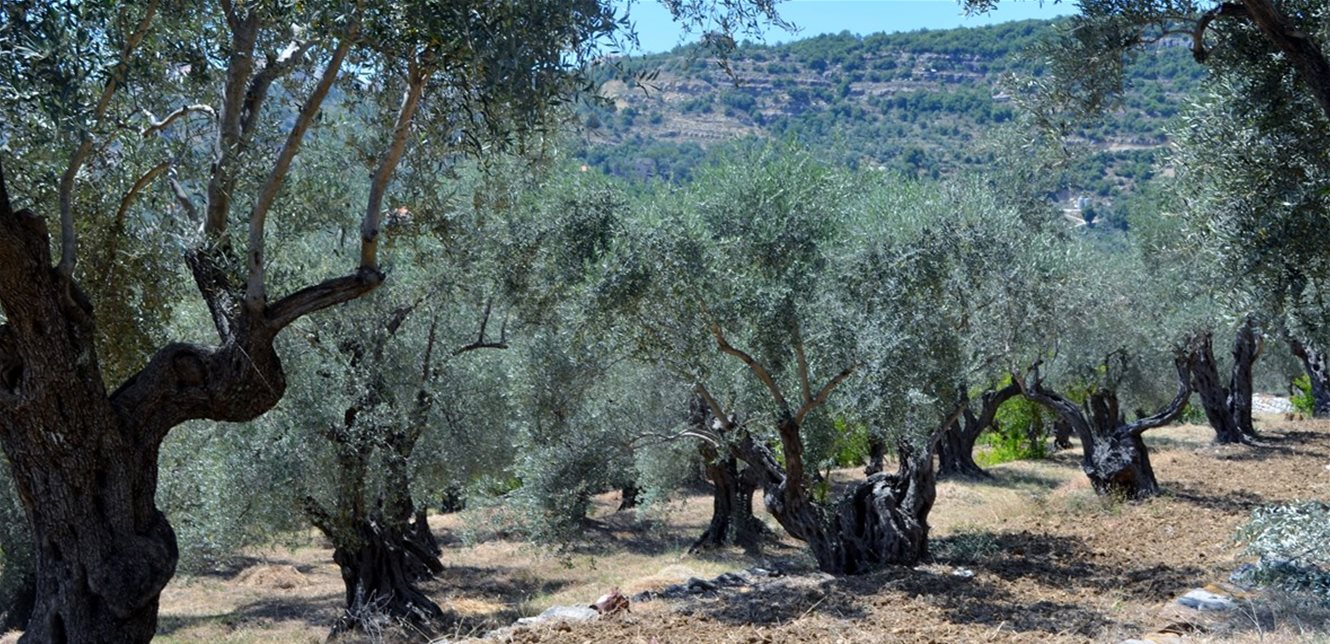
Lebanon24 framed the issue as a broader test for Lebanese agriculture, extending from wheat to olives. These crops occupy different markets, but both illustrate how farming depends on conditions that producers cannot fully control. Climatic pressure can affect field performance and crop quality, while a large wheat import requirement leaves the wider food chain exposed to developments outside Lebanon.
The FAO estimate does not mean that local wheat production is irrelevant. Additional domestic output can still reduce pressure at the margin and give buyers another source of supply. However, a requirement of 680,000 tonnes indicates that gains within Lebanon would have to coexist with continued import dependence rather than replace it in the 2025-26 season.
Planning challenge for growers and buyers
For importers and processors, an import requirement above the recent average increases the importance of procurement planning. Buyers need to secure enough grain for the season while managing the operational risks associated with reliance on external supply. The forecast also gives domestic producers a clearer view of the market gap, although the available figures do not show how much of that gap local farms could realistically cover.
For farmers, the immediate question is whether higher domestic output can be sustained under growing climate risks. Decisions on planting, crop protection and fertilizer use must be made before final yields are known. That creates financial exposure for growers, particularly when local production competes within a market that will still receive large imported volumes.
Food security depends on two supply channels
The figures suggest that Lebanon’s wheat strategy cannot rest solely on either domestic farming or imports. Local production offers a degree of supply diversification, while imports provide the volume the country is expected to need. Weakness in either channel can place additional pressure on processors and consumers.
The 8% increase over the recent average is therefore more than a statistical change. It signals a larger external requirement during 2025-26 and reinforces the need for coordination among farmers, grain buyers, processors and supply-chain operators. For the agricultural sector, the challenge is to improve local resilience without assuming that domestic gains will quickly remove Lebanon’s dependence on imported wheat.