Lebanon moves to tighten milk pricing and close non-compliant dairy plants
Lebanon’s Agriculture Ministry has opened a multi-track intervention in the dairy and cheese market, encompassing milk prices, factory closures and imitation products. The measures are intended to protect both producers and consumers, according to Tayyar.org.
A multi-front intervention in the dairy market
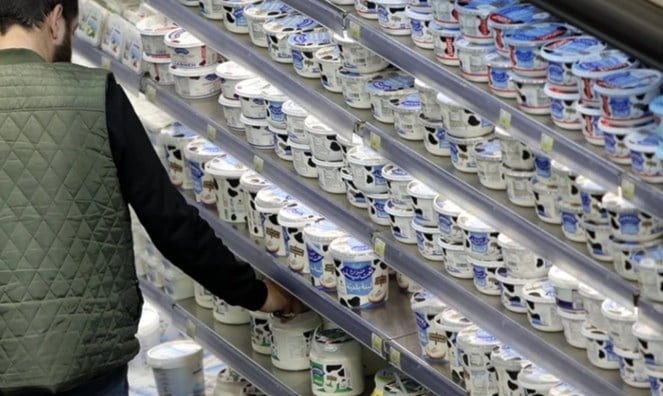
Lebanon’s Agriculture Ministry has launched a broad effort to regulate the country’s milk, dairy and cheese market. The campaign extends from lowering the price of milk to closing dozens of processing facilities and prohibiting the manufacture of products marketed as imitation labneh and imitation cheese, according to a report by Zainab Bazzi published by Tayyar.org.
The measures bring several parts of the dairy supply chain under scrutiny at the same time. Raw-milk pricing directly affects livestock farmers and processors, while factory closures concern manufacturing standards and market compliance. The restrictions on imitation products address the composition and presentation of foods sold alongside traditional dairy goods. The ministry’s stated objective, as reflected in the report, is to protect both producers and consumers.
Milk pricing affects farms and processors
A reduction in the price of milk can lower an important input cost for dairy manufacturers, but its effect on farmers depends on how the revised price is applied across the supply chain. Producers need sufficient revenue to maintain herds and continue supplying processors. Factories, meanwhile, must balance raw-material costs against the prices consumers can pay for labneh, cheese and other dairy products.
The ministry’s intervention therefore places the relationship between agricultural production and food processing at the centre of the policy. A lower milk price may ease pressure further down the chain, but enforcement will determine whether the change reaches consumers and whether primary producers remain commercially viable. The supplied material does not specify the previous or revised milk price, the mechanism used to set it, or whether it applies nationally to all categories of milk.
Dozens of factories face closure
The reported closure of dozens of factories signals a substantial enforcement action within Lebanon’s dairy-processing sector. The available material does not identify the facilities, their locations or the individual reasons for closure. It also does not state whether the measures are temporary suspensions or permanent shutdowns. These distinctions will matter to suppliers, workers, distributors and retailers connected to the affected plants.
Removing facilities from production can reduce available processing capacity, particularly if closures are concentrated in important milk-producing areas. It can also redirect raw milk toward compliant processors. For manufacturers that remain open, the campaign may change competition by requiring products offered in the same market to meet the rules being enforced by the ministry.
Imitation labneh and cheese targeted
The ban on manufacturing imitation labneh and imitation cheese addresses products presented as alternatives to recognised dairy foods. Such products can create commercial pressure when they compete with conventional labneh and cheese while using different ingredients or production methods. Clear distinctions are important for consumers comparing price, composition and quality, and for dairy businesses whose costs depend on genuine milk inputs.
Implementation will now be critical. Producers and processors will need clarity on pricing, product definitions and the conditions required for factories to operate. Retailers and distributors will also need to know how prohibited products will be identified and handled. The measures described by Tayyar.org establish the main direction of the campaign, but the supplied material provides no timetable, detailed technical standards or production and trade figures.