Lebanon seeks new markets for projected 100,000-tonne increase in table grapes
Lebanese growers expect 4 million to 5 million recently planted table-grape vines eventually to add about 100,000 tonnes a year to current production. Gulf markets remain central, but the sector is seeking additional outlets in Asia, Africa and Canada.
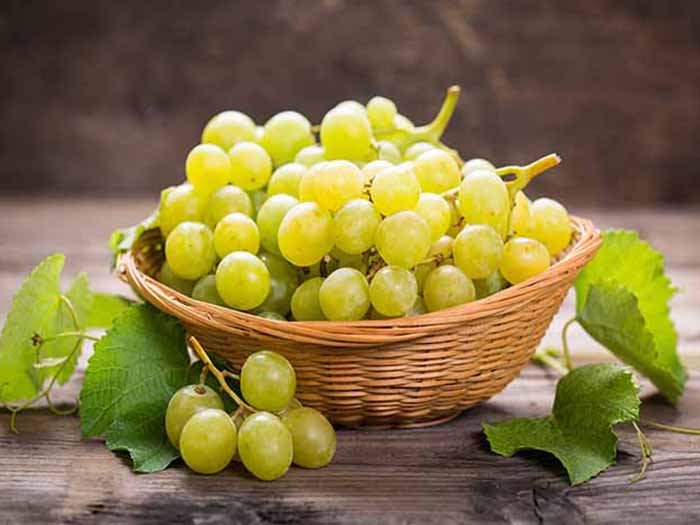
New vineyards raise the marketing challenge
Lebanon’s table-grape industry is preparing for a substantial increase in production after growers planted about 4 million to 5 million new vines over the past four years. Once the plantings reach full production, they are expected to add around 100,000 tonnes annually to the country’s existing output, according to El Shark.
The estimate was presented by Mahdi Awda, a member of Lebanon’s Table Grape Growers Association, in a letter to Agriculture Minister Nizar Hani. Awda called for official production forecasts to be published before the harvest reaches the picking stage. Reliable figures would allow growers, packers and exporters to assess demand, reserve logistics capacity and approach potential buyers while there is still time to organize sales.
Gulf demand may not absorb the increase
Arab Gulf markets are already essential destinations for Lebanese grapes, but Awda said they would not be sufficient to absorb the expected additional production. The projected volume is an increase to current supply rather than an estimate of Lebanon’s total crop, making the need for additional sales channels particularly important as the new vines mature.
Dependence on a limited group of destinations would leave growers exposed if purchasing demand, logistics or market access weakened during the harvest period. A larger crop also raises the operational burden on packing facilities, refrigerated storage and transport providers. Grapes must be sold or placed into an effective cold chain promptly, so delays in finding buyers can directly affect quality and marketability.
Export quality and diversification
El Shark reported that Lebanon has promising opportunities to expand grape exports, alongside other crops such as avocado. Export-suitable grape varieties can be stored and shipped over long distances, but only when producers meet the required standards for cultivation and packing and preserve the cold chain. Those conditions make market diversification a commercial and technical task: access to distant buyers is useful only if the fruit arrives with acceptable quality and shelf life.
Potential destinations identified by Awda include Canada, South Africa, Indonesia, Thailand, Bangladesh and India, in addition to other markets. The list spans several regions and therefore reduces reliance on a single demand center, but the source did not report confirmed purchase agreements, shipment volumes or market-access approvals for these destinations. They should consequently be viewed as markets for development rather than secured outlets for the projected crop.
Planning must precede full production
The immediate issue is timing. Vines planted during the past four years will add fruit progressively as they reach full production, giving the sector a window to prepare before the entire estimated 100,000-tonne increase reaches the market. Official forecasts could help determine when volumes will become available and how much capacity exporters will need in grading, packaging, refrigeration and shipping.
For producers, the expansion creates an opportunity to increase sales but also a risk of oversupply if export channels develop too slowly. For packers and traders, it points to a larger potential business provided quality specifications and cold-chain requirements are met consistently. The decisive test will be whether Lebanon can convert the identified destinations into dependable commercial channels before the new vineyards reach their full productive capacity.