Lebanon and Jordan seek wider Arab markets for agricultural exports
Lebanon and Jordan are pursuing closer agricultural trade and logistics cooperation to expand access to Arab markets. The initiative focuses on fruit including apples, grapes, bananas and avocados, alongside plans for a Lebanon Day in Jordan in May 2027.
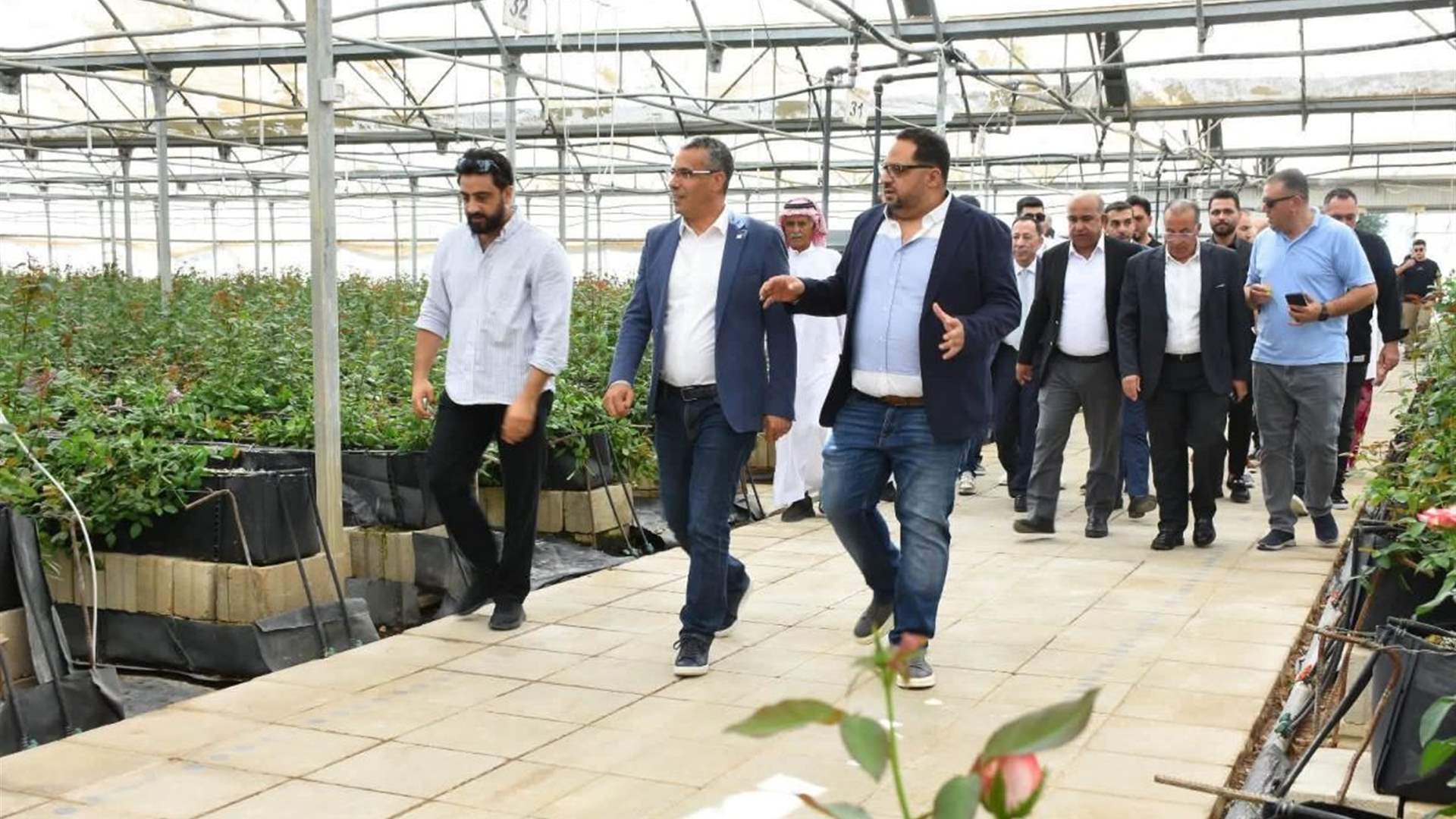
Jordan positioned as a gateway for Lebanese produce
Lebanon is seeking to expand agricultural exports to Jordan and use the kingdom’s location to reach additional Arab markets, with fruit at the center of the initiative. Discussions during a visit by Lebanese Agriculture Minister Nizar Hani covered apples, grapes, bananas and avocados, as well as measures to facilitate the movement of agricultural products and protect farmers and exporters.
According to LBCI and Al Modon, the two sides also agreed to organize a “Lebanon Day in the Kingdom” in May 2027. The planned event is intended to promote Lebanese exports and investment links in Jordan. No export targets, financial commitments or detailed implementation timetable were disclosed in the available reports.
Regional conference puts logistics and standards in focus
Hani presented Lebanon’s position at the Arab Mashreq Conference for Agricultural Exports, organized by the Jordanian Association of Exporters and Producers of Fruits and Vegetables. The meeting brought together Jordanian Agriculture Minister Saeb Abdul Halim Khreisat, Syrian Deputy Agriculture Minister Mohammad Miqdadi and Lebanese Agriculture Director General Louis Lahoud. Palestinian Agriculture Minister Rizq Salimiya participated by video link, alongside producers, exporters, investors and company representatives.
Addiyar reported that Hani called for the revival of the four-country agricultural cooperation agreement between Lebanon, Jordan, Iraq and Syria. He proposed turning it from a consultation framework into an operational program with defined projects, deadlines, responsibilities and measurable results. Priorities include harmonizing standards, accelerating border procedures, lowering transport costs and improving food safety, quality controls, traceability and market-data exchange.
Cold chains and coordinated seasons could determine progress
The Lebanese proposal also emphasizes investment in sorting, packing, storage, refrigeration and food-processing infrastructure. Hani argued that closer coordination should allow countries to complement one another’s production seasons rather than compete with the same crops in the same markets. For Lebanese growers, the stated objective is more regular and competitive access to Arab buyers, particularly for apples and grapes.
Khreisat said Jordan views its geographic position as a logistical and economic asset capable of linking agricultural production in the Mashreq with regional and international markets. He stressed that export performance now depends not only on output, but also on reliable quality, continuity of supply, efficient transport, packaging, cooling, processing and traceability. The conference did not announce binding trade concessions, so progress will depend on whether the participating governments convert the proposals into border, standards and infrastructure measures that reduce exporters’ costs.