Lebanon estimates walnut production at 3,000 tonnes as Niha launches farmer festival
Lebanon’s walnut production is estimated at 3,000 tonnes. Niha municipality in Chouf has launched its first annual walnut festival to support farmers, promote local output and develop the crop’s market and rural-tourism potential.
National output estimated at 3,000 tonnes
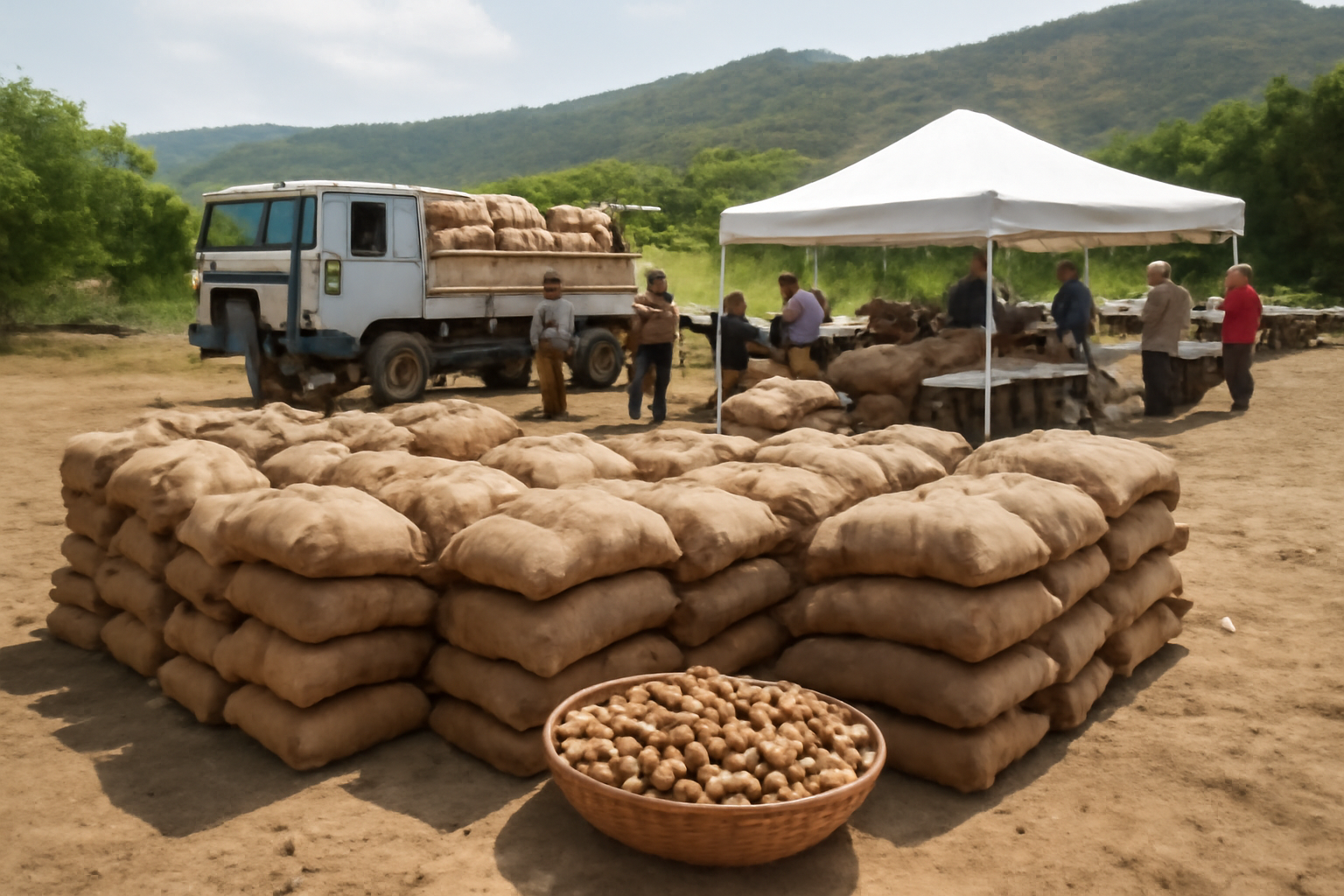
Lebanon’s walnut production is estimated at 3,000 tonnes, placing a concrete figure on a crop that carries both commercial and heritage value for producing communities. The estimate provides a national reference point for farmers, processors and traders assessing the size of local supply and the potential for further market development.
The figure does not by itself show how production is distributed between regions, how much reaches formal commercial channels or what share is consumed close to producing areas. It nevertheless gives market participants a starting point for evaluating the sector. For growers, the main issue is whether local demand and sales channels can generate sufficient income to sustain orchards and encourage continued production.
Niha puts farmers at the centre
Niha municipality in the Chouf district has opened the town’s first annual walnut festival. According to Waradana, the event was created to support local farmers and highlight the economic and heritage importance of walnut cultivation. It also aims to encourage domestic production and stimulate economic activity in the area.
The festival connects the agricultural product with the identity of the producing community. That approach can give farmers a direct opportunity to present their crop while raising its visibility among consumers. For a sector represented by a national estimate of 3,000 tonnes, local events can help turn production volume into a more recognisable market category rather than leaving walnuts as an undifferentiated farm commodity.
Market development linked to rural tourism
Niha’s initiative also seeks to promote rural tourism. This creates a broader commercial setting for walnuts: visitors can generate demand not only for the crop itself but also for local economic activity associated with the festival. The municipality is therefore treating walnut cultivation as both an agricultural business and part of the area’s cultural appeal.
The immediate impact will depend on whether the festival produces durable relationships between growers and buyers. Annual visibility can support farmer incomes only if it leads to repeat demand, clearer routes to market or stronger recognition of local production. Lebanon’s 3,000-tonne estimate indicates that the crop has a measurable national base, while the Niha event shows how municipalities can work from the local level to strengthen that base. For producers and traders, the next test is whether promotion can be converted into stable sales beyond the festival itself.