More Than 40 Lebanese Wheat Trucks Await Laboratory Clearance for Jordan
More than 40 trucks carrying over 1,200 tonnes of Lebanese wheat are being held at the Masnaa customs facility despite having export permits for Jordan. The Economy Ministry says the cargo is awaiting laboratory results expected by Monday.
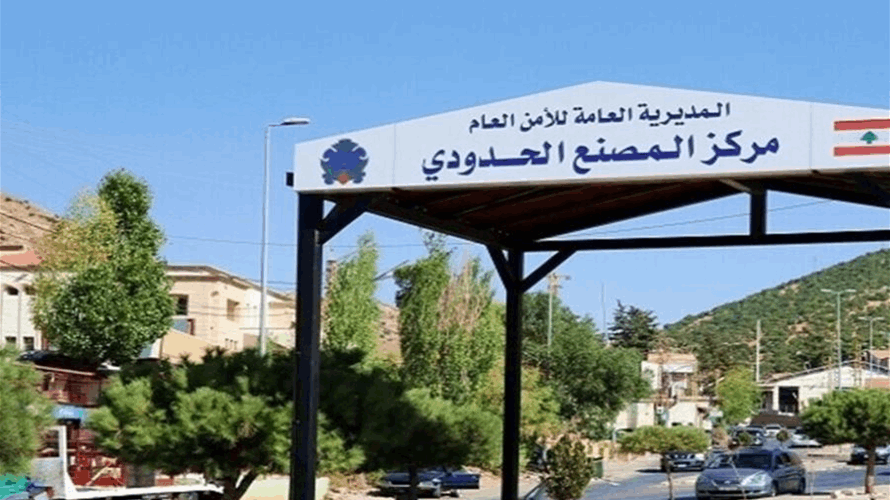
Wheat convoy remains at Masnaa
More than 40 trucks loaded with Lebanese wheat remain at the Masnaa customs facility while awaiting clearance to continue to Jordan, creating a bottleneck for a shipment of more than 1,200 tonnes. The vehicles have been at the facility since Monday, according to Ibrahim Tarshishi, president of the National Federation of Lebanese Farmers.
Tarshishi said the cargoes already hold export permits issued by Lebanon’s Ministry of Economy and Trade. In a statement reported by LBCI, he said the ministry had nevertheless delayed completing the paperwork and granting the trucks final permission to depart. He said exporters had not been informed why the process remained incomplete.
The delay has left the trucks idle and caused congestion inside the customs area. Tarshishi also said Jordanian buyers had travelled to purchase the wheat, but the outstanding procedures disrupted both the sale and the export movement.
Ministry points to laboratory tests
The Economy Ministry subsequently said the trucks were waiting for laboratory examinations conducted by the Lebanese Agricultural Research Institute. It expects the results to be issued no later than Monday, after which the authorities will take the appropriate measures. The ministry said the process was intended to protect product safety and ensure an orderly flow of traffic.
Al Modon reported that a source at the Directorate General of Cereals and Sugar Beet described the testing as a standard procedure applied to all exports. The source said there was no problem with the wheat shipments themselves and that laboratory completion was the only outstanding issue.
The two accounts therefore differ principally over the reason for the delay. The farmers’ federation presents the stoppage as an unexplained administrative obstacle imposed after export permits were issued. The ministry says the trucks have not received final clearance because mandatory testing is still underway and provides a deadline for the results.
Farmers face pressure to clear stocks
Tarshishi said some Lebanese wheat remains stockpiled from last year while the current crop is already available and growers are approaching another planting season. That accumulation increases the importance of completing sales, particularly where domestic mills are unwilling to absorb the available grain.
According to Tarshishi, mills either decline to purchase local wheat or offer prices 20% below the global price, a difference he put at $40. He argued that farmers are consequently being denied both an attractive domestic outlet and timely access to an approved export market.
The immediate volume at risk is more than 1,200 tonnes destined for Jordan. No rejection of the cargo, cancellation of the export permits or product-safety failure has been reported. The next operational milestone is the release of the laboratory findings: a clearance would allow the convoy to resume its journey, while any further delay would extend truck downtime and postpone payment and stock turnover for Lebanese growers and traders.