Lebanese Grape Exporters Seek to Protect Access to More Than 40 Markets
Fresh grapes lead Lebanon’s agricultural exports and reach more than 40 countries. Agriculture Minister Nizar Hani said retaining those markets will require consistent quality, food safety, reliable cold chains and production tailored to each destination’s standards.
Grapes lead Lebanon’s agricultural exports
Lebanon is seeking to defend the international position of its fresh grapes by improving quality control, food safety and post-harvest handling. Agriculture Minister Nizar Hani said grapes rank first among the country’s agricultural exports and reach more than 40 countries, making continued access to those destinations important for growers, exporters and the wider agricultural economy.
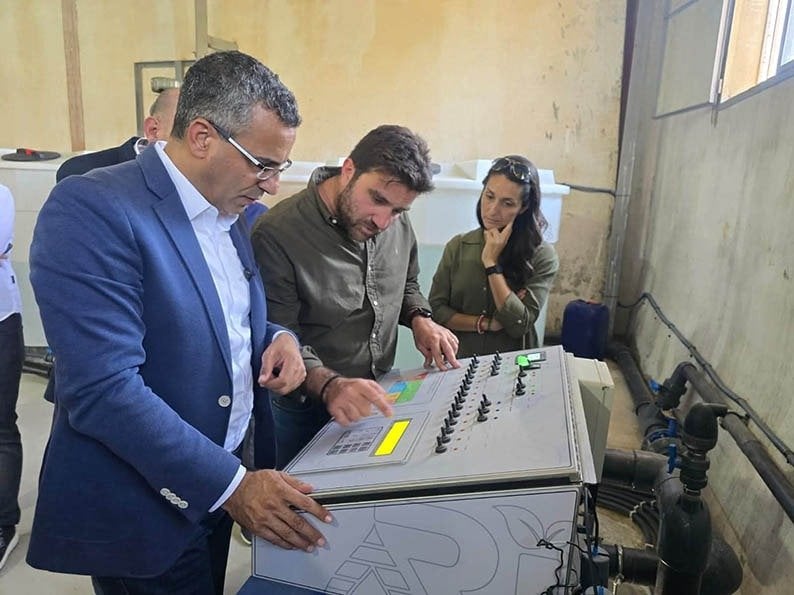
According to Lebanon Debate, Hani set out the priorities during a tour of agricultural projects in the Bekaa Valley, followed by a meeting with grape growers and exporters in Ain Zebdeh. Discussions covered production and export constraints, stronger coordination among farmers, exporters and the Ministry of Agriculture, and the possibility of opening additional markets. Participants also proposed a national grape conference and a dedicated national grape day.
Quality management extends beyond the farm
Hani argued that crop quality alone no longer guarantees access to export markets. The commercial result is determined across the chain, beginning with variety selection, soil and irrigation management and continuing through sorting, packaging, cooling and storage. Consistent supply and compliance with the technical requirements of individual markets are also necessary when exporters seek new destinations.
At the MEDIGARDENS packing center, Hani reviewed sorting and packaging methods, particularly for export grapes. He emphasized that packaging and refrigeration are essential to preserving fruit quality after harvest. For exporters serving distant markets, weak temperature management or inconsistent grading can undermine the value created in the vineyard and reduce the return ultimately received by farmers.
The ministry is also working to strengthen the presence of Lebanese agricultural products in Gulf markets, particularly Saudi Arabia, and to benefit from the available overland route. The source did not provide shipment volumes, export values or a timetable for expanded access. Hani nevertheless linked market growth to regular deliveries and strict adherence to destination specifications rather than production volume alone.
Technology projects highlight wider agricultural priorities
The Bekaa tour also included Berry Fruits Farm, a model berry operation with about 24,000 plants. Engineer Fawzi Issa presented its production and storage potential. Hani said further development of such crops requires an assessment of agronomic suitability, production costs, preservation and marketing requirements, as well as opportunities for use in food processing.
Hani and Agriculture Director-General Louis Lahoud also inaugurated the technology-based Agri Fresh project, which has annual capacity of about 3 million heads of lettuce. The minister highlighted production continuity, efficient use of resources, product quality and the ability to meet market needs. He said the projects demonstrated that Lebanese agriculture can adopt modern technology, but warned that output alone is not an adequate measure of success.
Efficient use of water and other inputs, stable quality and lower losses will determine whether the projects generate durable commercial returns. For the grape sector, these principles have an immediate export dimension: maintaining access to more than 40 countries depends on delivering fruit that remains safe and marketable throughout transport. Better coordination between growers, packers and exporters could also help align varieties, harvest timing and handling practices with the requirements of each destination, raising farm returns without relying solely on higher production.