Leading citrus region faces one of its worst harvests in 20 years
A major citrus-producing region is facing what growers describe as one of its worst harvests in 20 years. Several adverse factors are combining with longstanding farming difficulties and putting the viability of agricultural businesses under pressure.
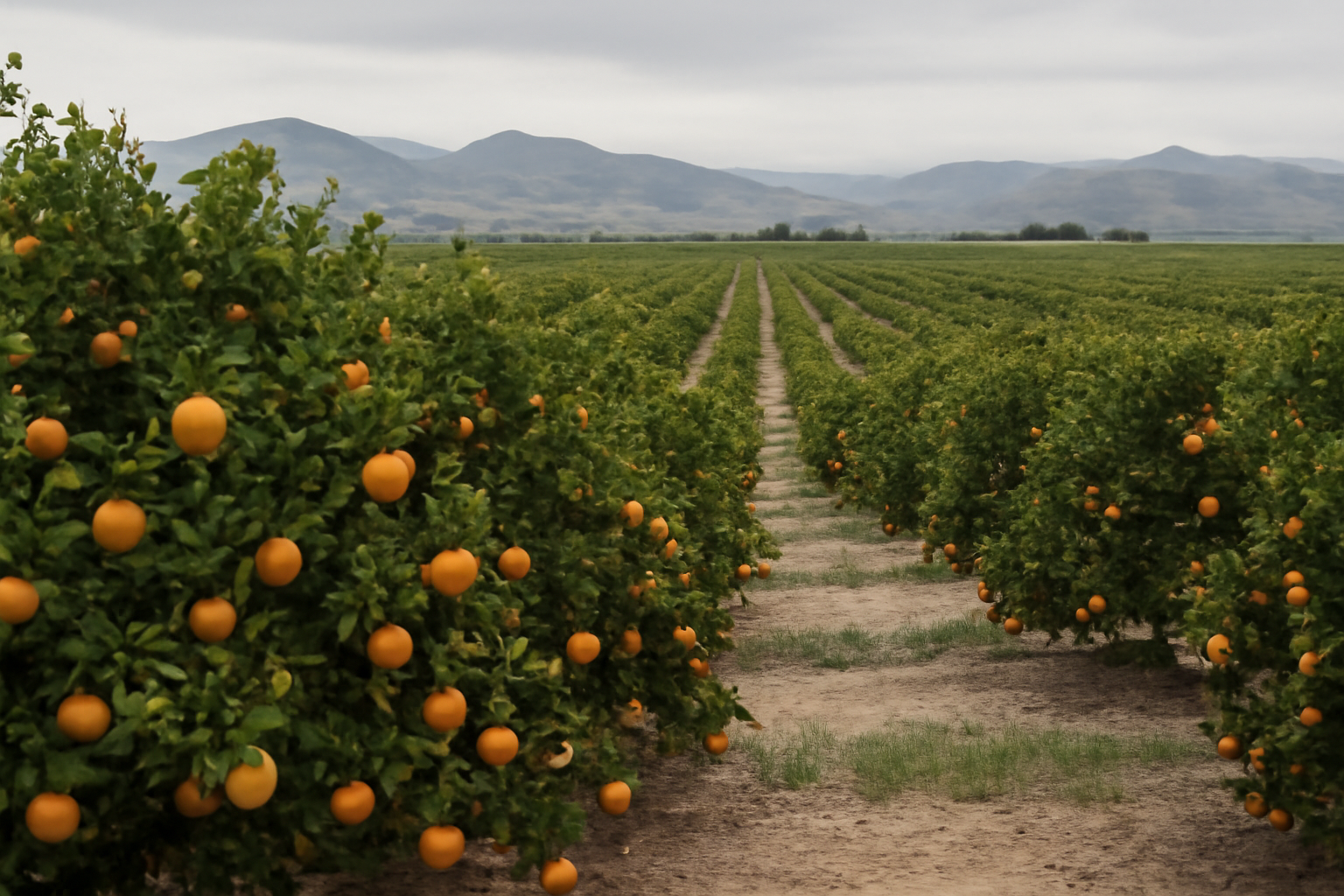
Multiple pressures hit the citrus harvest
A leading citrus-producing region is confronting what growers describe as one of its worst harvests in 20 years. The available account points to an accumulation of adverse factors rather than a single cause, with farmers facing both the familiar risks of agricultural production and additional pressures beyond their control.
The downturn is particularly significant because the affected area is identified as the largest citrus-producing region in its market. A poor harvest in such a concentrated production base can affect not only farms but also packing houses, processors, wholesalers and other businesses whose activity depends on the volume and timing of fruit entering the supply chain.
No production estimate, acreage figure or comparison with the preceding season was provided. The account also does not specify which citrus varieties have suffered the greatest losses. That leaves the precise scale of the decline unclear, but the 20-year comparison indicates that producers view the current season as exceptional rather than part of normal annual volatility.
Farm viability comes under pressure
Farmers are accustomed to weather, pests, variable yields and other operational difficulties inherent in agriculture. The latest problems, however, include factors described as being outside their control and severe enough to undermine the viability of their businesses. When several pressures occur during the same harvest, growers have fewer opportunities to compensate for losses through higher volumes, quality premiums or a longer marketing period.
Lower output can raise unit costs because expenditure on land, equipment and permanent crop maintenance is spread across fewer marketable tonnes. Citrus farms also cannot respond immediately to a poor season by shifting planted area into another annual crop. Orchards represent a longer-term investment, making repeated losses particularly difficult for producers with limited financial reserves.
The effects can extend beyond the farm gate. Packing and processing facilities depend on throughput to use labour and equipment efficiently, while traders need predictable volumes to fulfil customer programmes. If the downturn materially reduces available fruit, buyers may face tighter sourcing conditions, more variable quality or shorter operating schedules. The information provided does not include price data, so it is not possible to determine whether any market increase will offset growers’ lower volumes.
The absence of detailed figures also prevents a firm assessment of implications for domestic supply or international trade. Much will depend on which varieties and harvest windows are affected, how much fruit remains suitable for the fresh market, and whether processors can absorb lower-grade output. These distinctions determine whether the main pressure falls on retail citrus, industrial raw material or both.
For industry participants, the next measurable indicators will be harvested volume, pack-out rates, processing availability and the length of the marketing season. Until those figures emerge, the clearest signal is the growers’ own assessment: a major production region is experiencing a harvest shock of a severity not seen for much of the past two decades.