Latvia Secures Winter Energy Supplies but Faces Higher Gas and Biomass Costs
Latvia expects adequate gas, biomass and electricity supplies for the coming heating season, but market prices remain the main risk. Inčukalns holds 11.4 TWh of gas, while European storage stood at 66.9% on September 7 and TTF prices had risen sharply.
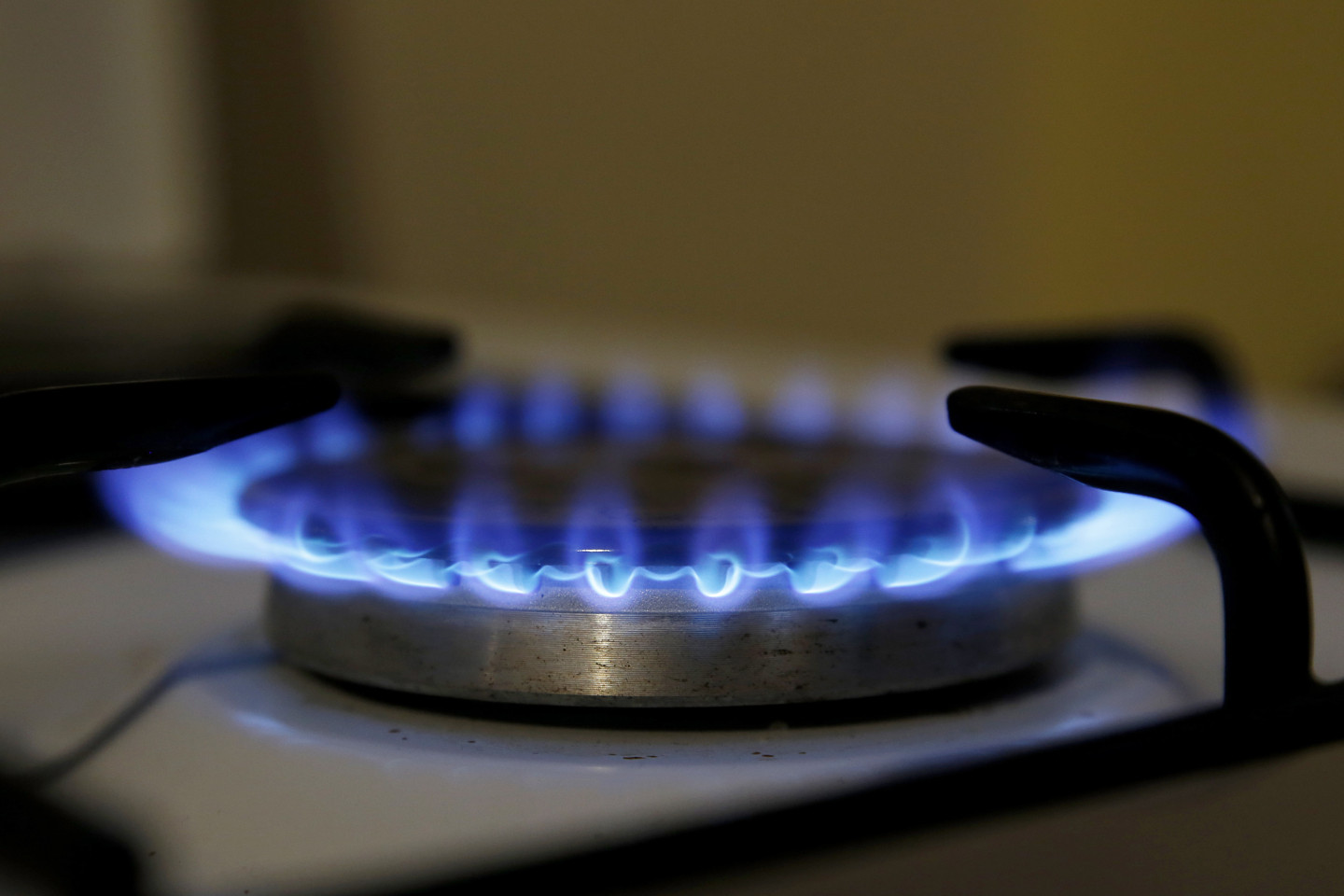
Physical supplies are considered sufficient
Latvia does not expect shortages of natural gas, biomass or electricity during the coming heating season, according to officials and energy companies cited by Delfi and nra.lv. The central risk is price rather than physical availability, as European gas inventories remain relatively low and geopolitical uncertainty continues to affect energy markets.
Climate and Energy Ministry State Secretary Līga Kurevska told a parliamentary subcommittee that suppliers, gas traders and district-heating companies had not reported difficulty securing the required volumes. The Inčukalns underground storage facility holds 11.4 terawatt-hours of gas, including 1.8 TWh of state reserves. Those reserves could cover roughly one to one-and-a-half months of consumption in winter conditions and longer in milder weather.
European storage and LNG risks support prices
Latvenergo said European Union gas storage was 66.9% full on September 7, based on GIE data, the lowest level since 2021. Portfolio Management Director Rodika Prohorova said tension in the Middle East, risks around the Strait of Hormuz and possible disruptions to liquefied natural gas supplies had made it harder to replenish European storage. Latvenergo sees a strong probability that gas prices will remain above the previous heating season and says elevated levels could persist until the end of the 2026/2027 season.
Ministry data show the TTF gas price rose 2.3 times between February 27 and September 7, from €32.34 to €74.15 per megawatt-hour. Latvenergo reported that the next-month contract averaged about €67/MWh in week 35 and about €76/MWh in week 37, reaching €78/MWh during one trading day. Conexus Baltic Grid Chairman Uldis Bariss said prompt gas was more expensive than deliveries several months ahead; current prices indicated March and April gas could be about €20/MWh cheaper. That curve gives traders little incentive to buy expensive gas now and pay to store it until spring.
Regional infrastructure limits shortage risk
Latvia can draw on Inčukalns, Lithuania’s Klaipėda LNG terminal, Finland’s Inkoo terminal and the Poland-Lithuania GIPL interconnector. Latvenergo holds rights to receive 6 TWh annually at Klaipėda from 2023 through 2032 and has secured another 4 TWh a year for 2033-2044. The company says it has contracted enough gas for power and heat production, retail customers and the 2026/2027 heating season. January and February may be tighter because storage withdrawals are normally higher, but Conexus does not forecast a critical situation without exceptional weather.
Biomass and heating bills also face pressure
Wood-chip prices have increased from about €19.5/MWh to €30/MWh, while pellets cost €300-375 per tonne, or €62-78/MWh, Delfi reported. Supply infrastructure is considered sufficient, but Latvian prices are influenced by production and transport costs, demand in Lithuania and elsewhere in Europe, and export incentives for pellet producers. The Competition Council is examining whether the pellet price increase is justified.
District-heating costs are expected to rise by an average of about 10-15%, depending on when supply contracts were signed. October tariffs in Latvia’s largest cities are expected to be mostly €75-93/MWh, although some small systems are approaching €150/MWh. The effect of gas-price increases on households will be delayed because 97% of household gas contracts and 85% of household electricity contracts have fixed prices. Electricity capacity is considered adequate, but expensive gas and low Scandinavian hydro resources could still cause winter price spikes.