Larger Brazilian Sugarcane Crop Expands Ethanol Supply and Pressures Prices
A larger sugarcane crop is increasing ethanol availability and putting downward pressure on prices in Brazil. The effects extend from cane growers and mills to fuel distributors and filling stations.
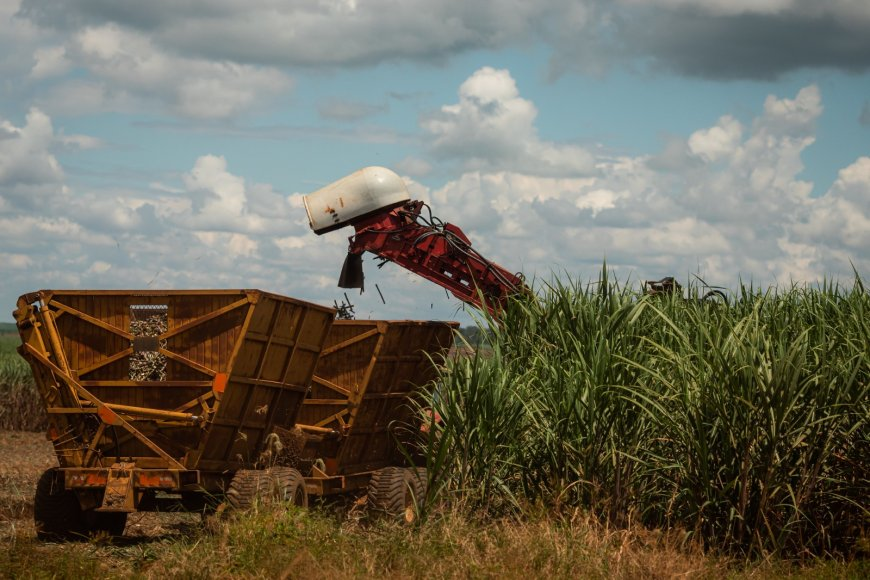
Improved crop increases fuel availability
A larger sugarcane harvest is expanding ethanol supply and putting pressure on prices in Brazil, according to Gazeta de Varginha. The development begins in the fields but affects the full chain through which cane is processed into fuel, distributed and ultimately sold at filling stations.
The source material does not provide a production estimate, a price benchmark or a comparison with the previous crop. It nevertheless identifies the central market dynamic: improved sugarcane output is increasing the amount of ethanol available. When supply grows faster than demand, mills and distributors face greater competition to place fuel in the domestic market.
Brazilian ethanol economics depend first on agricultural performance. Higher field productivity can give mills more cane to process and spread some operating costs across a larger volume. The benefit is not uniform, however. Growers still face their own production costs, while the value of the crop depends on the commercial conditions offered by processors and on the prices obtained for the products made from cane.
Price pressure moves through the chain
After harvesting, cane must pass through an industrial and logistical network before ethanol reaches motorists. Processing decisions determine how much of the available feedstock becomes fuel, while distributors connect mill supply with retail demand. An increase in availability can therefore affect transactions at several points, rather than producing an immediate or identical price change throughout the country.
For mills, weaker ethanol prices can limit the revenue advantage of processing additional cane into fuel. For distributors, greater availability may improve purchasing options and strengthen their position in negotiations. Filling stations may gain access to cheaper supply, although the source does not specify how much of the upstream price movement has reached retail pumps.
The pressure is also relevant for cane suppliers. A larger crop creates more physical volume, but volume alone does not guarantee improved margins. The outcome depends on productivity and the costs borne by producers, factors highlighted by Gazeta de Varginha as fundamental before the fuel reaches the pump. If prices weaken while expenses remain elevated, the financial benefit of harvesting more cane can narrow.
Market participants watch margins and demand
The immediate question for the farm-to-fuel chain is whether demand can absorb the additional ethanol without a deeper decline in prices. Producers need to balance crop volume against processing economics. Distributors must manage inventories and procurement as more fuel becomes available. Retailers, meanwhile, have to assess whether lower acquisition costs can be reflected in pump prices while preserving their margins.
The available report does not identify particular companies, producing regions or export destinations, and it gives no timetable for how long the pressure may persist. That limits conclusions about the magnitude of the move. The direction is clearer: stronger cane output has loosened ethanol availability and shifted bargaining conditions across Brazil’s domestic supply chain.
For industry professionals, the next signals will come from field productivity, producer costs, mill output and the pace at which additional supply is sold. Together, those factors will determine whether the larger crop produces a temporary price adjustment or keeps ethanol values under pressure for a longer period.