Labor shortage becomes chronic constraint for Bahia’s cocoa chain
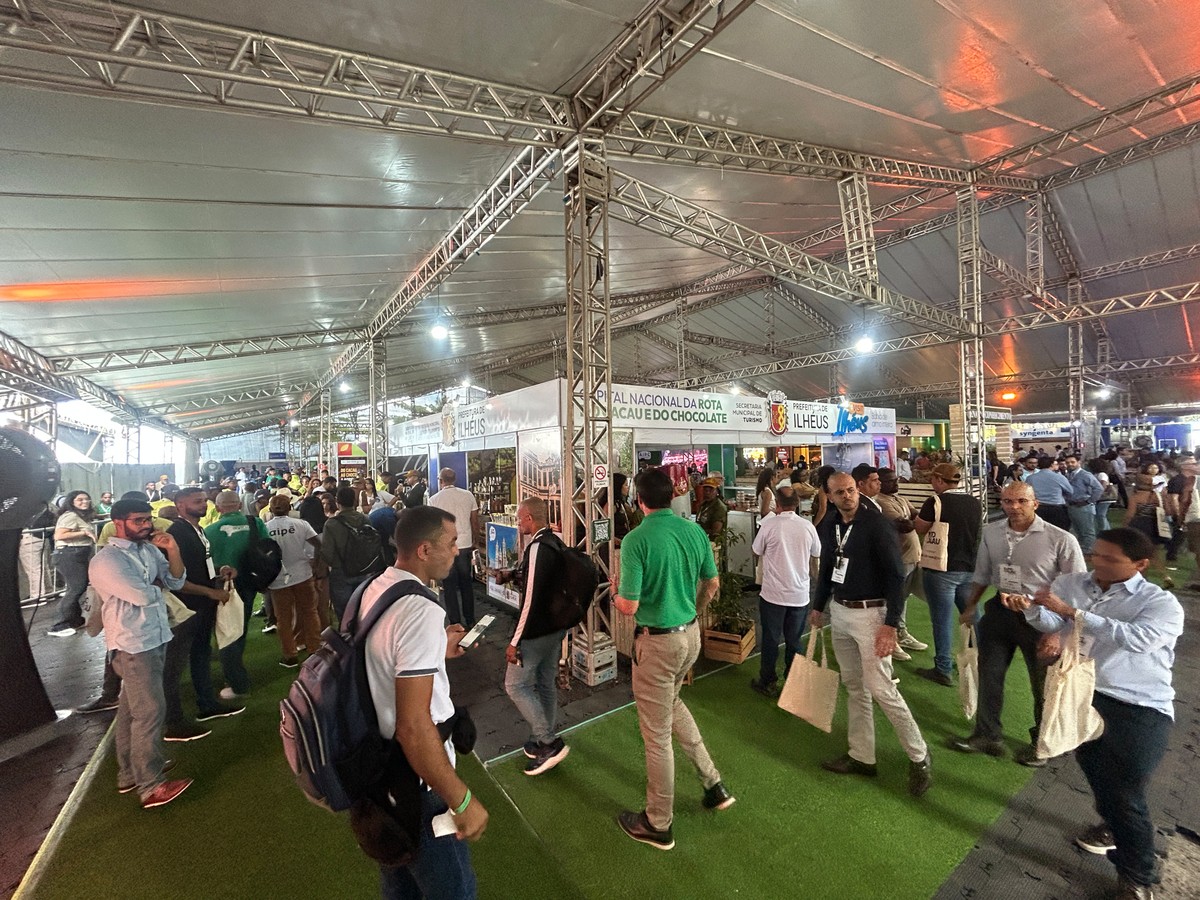
Cocoa-sector representatives meeting at the second Expocacau in Ilhéus described labor scarcity as a chronic problem. The shortage threatens labor-intensive farm work, raises operating risks and strengthens the case for affordable mechanization and higher-value cocoa production.
Worker scarcity moves from seasonal risk to chronic constraint
Brazil’s cocoa chain is facing a persistent shortage of workers in Bahia, the country’s traditional producing region. Representatives gathered at the second Expocacau in Ilhéus described the problem as chronic, according to Globo Rural. That assessment signals that farms and processors can no longer treat recruitment difficulties as a temporary disruption tied only to a particular harvest or local labor-market fluctuation.
The pressure is especially significant because cocoa cultivation still depends heavily on manual work. Planting, pruning, crop treatment, harvesting, opening pods and preparing beans all require workers at specific stages. When farms cannot assemble crews at the right time, maintenance can be postponed and ripe fruit may not be collected promptly. For processors and buyers, irregular field execution can translate into less predictable bean volumes and quality.
The structure of the sector makes rapid adaptation difficult. Globo Rural reported in 2024 that 70% of Brazil’s cocoa chain consists of small producers. Equipment already available for opening cocoa pods is generally designed for high throughput and carries a high cost, limiting its suitability for smaller farms. This leaves many producers exposed to labor availability even when they recognize the need to automate.
Higher costs could affect investment and supply reliability
Earlier reporting by Globo Rural illustrates the scale of the workforce contraction on individual properties. The Riachuelo farm group in Ilhéus, covering 2,000 hectares, employed 400 people before the pandemic but had fewer than 100 in 2022. Its manager said cocoa management was expensive and entirely manual. The same report put average productivity in traditional producing areas at around 300 kilograms, or 20 arrobas, per hectare.
A chronic shortage does not automatically mean lower national output, but it increases the cost and execution risk of every production plan. Producers may have to compete harder for workers, reduce the area receiving full maintenance or prioritize activities with the quickest return. Buyers and processors may face greater variation in deliveries if harvesting, fermentation or drying is delayed. The effects can be particularly acute for fine cocoa, where post-harvest handling is central to quality and price differentiation.
The industry’s options include labor-saving equipment, training, shared machinery and farm practices that reduce manual handling. Yet affordability remains decisive for small and medium-sized growers. A 2024 initiative reported by Globo Rural offered R$100,000 for the development of a cocoa-pod-breaking machine, reflecting the search for technology suited to the sector’s production profile. Unless mechanization becomes accessible at farm scale, worker scarcity is likely to remain a constraint on productivity gains and dependable supplies from Bahia.