Kyrgyzstan Weighs Coal-to-Liquids Plant for Domestic Diesel Production
Kyrgyzstan’s antimonopoly regulator has proposed producing synthetic diesel from domestic coal. A plant with annual output of 100,000 tonnes could require 330,000-500,000 tonnes of coal and cost about $100 million-$200 million.
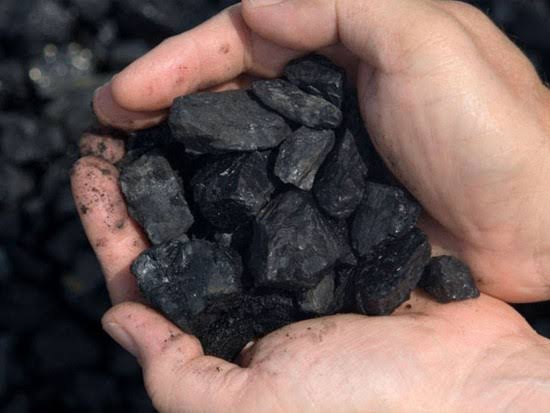
Regulator puts coal-to-liquids on the policy agenda
Kyrgyzstan’s Antimonopoly Regulation Service has asked the presidential administration and the Ministry of Economy to consider producing diesel fuel from coal, according to 24.kg. The proposal would use coal-to-liquids technology to convert the country’s solid-fuel resources into synthetic transport fuel.
The initiative remains at the assessment stage. Authorities want to determine whether a coal-to-liquids plant would be commercially viable and environmentally safe before deciding whether to advance the project. No proposed location, construction timetable, financing structure or technology supplier has been identified.
The proposal links two parts of Kyrgyzstan’s energy market: its domestic coal base and its demand for liquid fuels. Coal is currently used mainly for heating and power generation. Converting part of that resource into diesel would create an additional source of industrial demand, but it would also require a new processing chain and significant capital investment.
Plant could consume up to 500,000 tonnes of coal a year
The Antimonopoly Regulation Service estimates that Kyrgyzstan has more than 6.4 billion tonnes of forecast coal reserves. Under the figures presented by the regulator, annual production of 100,000 tonnes of diesel would require approximately 330,000-500,000 tonnes of coal.
That implies consumption of about 3.3-5 tonnes of coal for every tonne of diesel produced. The range is wide enough to make coal quality, conversion efficiency and technology selection important to the project’s economics. Actual operating requirements would also depend on the specifications of the synthetic fuel and the configuration of the proposed plant.
A facility of the indicated scale could cost about $100 million-$200 million, according to 24.kg. Based on the proposed annual output, that represents initial investment of roughly $1,000-$2,000 for each tonne of annual diesel capacity. The estimate does not establish the eventual cost of producing the fuel, which would also reflect coal supply, plant utilization, energy consumption, maintenance and financing.
Feasibility depends on costs and environmental review
For Kyrgyzstan, domestic synthetic diesel could provide an alternative source of fuel and increase demand for locally mined coal. Its competitive position, however, would depend on whether the full production cost can match the price of conventional diesel available to the domestic market. The source material provides no estimate of operating costs, expected fuel prices or the volume of imports that the plant might replace.
The environmental assessment will be equally important. The regulator has explicitly asked authorities to examine ecological safety, but no emissions, water-use or waste-management figures have been published. These factors could materially affect both the required investment and the conditions under which a plant would be permitted to operate.
The proposal therefore establishes a potential production scale rather than an approved industrial project. The next stage would need to clarify the technology, coal source, infrastructure requirements, financing and environmental safeguards. Until those details are available, the plant’s effect on domestic diesel supply, fuel imports and Kyrgyz coal producers cannot be quantified reliably.