Kyrgyzstan Starts Talas Pepper Harvest With Exports Planned to Russia and Kazakhstan
Farmers in Kyrgyzstan’s Talas region have started harvesting Lastochka sweet peppers, with part of the crop intended for Russia and Kazakhstan. The Manas district planted about 1,350 hectares in 2026, while current yields average 200–250 centners per hectare.
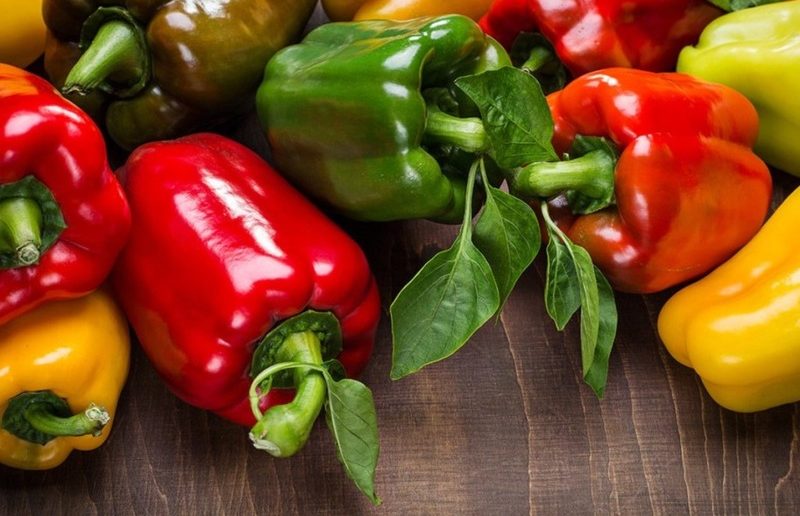
Harvest begins in the Manas district
Farmers in the Manas district of Kyrgyzstan’s Talas region have begun harvesting Lastochka sweet peppers. Part of the crop is intended for export to Russia and Kazakhstan, EastFruit reported, citing Economist.kg.
The harvest opens a new sales period for a crop that the Kyrgyz Ministry of Agriculture describes as one of the more profitable options available to local farms. The ministry attributes that position to strong demand and the opportunity to supply foreign markets.
The available information does not specify the expected total harvest, the volume reserved for export or the timetable for shipments. It also does not identify buyers or provide a breakdown of planned deliveries between Russia and Kazakhstan.
Pepper covers about 1,350 hectares
In 2026, farmers in the Manas district allocated about 1,350 hectares to pepper cultivation. The district has 18,800 hectares of arable land in total, meaning peppers account for roughly 7% of that area.
According to the Agriculture Ministry, current average yields range from 200 to 250 centners per hectare, equivalent to 20–25 tonnes per hectare. Applying that range to the reported planted area would imply a theoretical output of approximately 27,000–33,750 tonnes. This is an indicative calculation rather than an official production forecast, as actual output will depend on the harvested area and realized yields.
Farmers are selling peppers for 40–45 soms per kilogram. EastFruit did not specify whether this is a farm-gate, wholesale or retail price, nor whether the quoted range applies uniformly across the district. That distinction will affect how traders and potential exporters assess procurement costs.
Regional demand supports commercial production
Russia and Kazakhstan offer nearby outlets for Kyrgyz fresh produce, but the source provides no details on contracts, border routes, transport expenses or quality requirements for the planned pepper shipments. For a fresh vegetable with a limited marketing window, the timing of collection, consolidation and delivery will influence the share of the crop that can reach external buyers.
The planted area and reported yields show that peppers have become a commercially meaningful crop in the Manas district, although they remain a relatively small part of its total arable land. Export access could broaden the buyer base and support local prices during the harvest. Producers and traders will nevertheless need actual shipment volumes and destination prices before the season’s export contribution can be measured.