Kyrgyzstan’s onion and garlic exports fall 59.8% in January-May 2026
Kyrgyzstan exported 566 tonnes of onions and garlic worth $305,900 in January-May 2026. Tazabek reported that shipment volume fell 59.8% year on year.
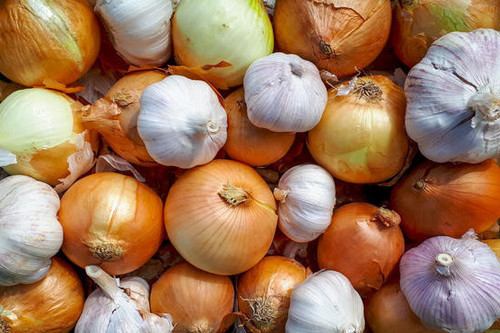
Shipments fall sharply in the first five months
Kyrgyzstan exported 566 tonnes of onions and garlic with a declared value of $305,900 in January-May 2026, according to Tazabek. Export volume was 59.8% lower than in the corresponding period a year earlier, marking a substantial contraction in the country’s external shipments of the two vegetable products.
The reported figures cover bulb onions and garlic together rather than presenting separate totals for each commodity. The available data therefore do not show whether the decline was concentrated in onions, garlic or both products. They nevertheless indicate that substantially less Kyrgyz produce reached foreign markets during the five-month period.
Data leave destinations and prices unclear
Tazabek’s report provides the combined physical volume and value but does not identify Kyrgyzstan’s destination markets. It also does not disclose the year-earlier export value, preventing a direct comparison of export revenue or unit values between the two periods. No breakdown by month, buyer or transport route is available in the supplied material.
This distinction matters for producers and traders because a fall in tonnage does not by itself establish what happened to prices. Revenue may respond differently from physical shipments when the product mix changes, when garlic accounts for a larger or smaller share, or when sales move between markets. The reported $305,900 value describes the 2026 trade recorded during January-May, while the 59.8% comparison applies specifically to volume.
Lower exports affect the domestic supply balance
For Kyrgyz growers, assemblers and wholesalers, the export decline means that foreign demand absorbed fewer onions and garlic than a year earlier. Unless production or inventories also decreased, lower outbound shipments can leave more supply competing for buyers inside Kyrgyzstan. The source material, however, contains no production, stock or domestic price figures with which to determine the actual market balance.
Exporters also face a smaller physical trade base over which to spread sorting, packaging and logistics costs. The impact on individual companies depends on their product mix and customer markets, neither of which is specified in the report. Buyers outside Kyrgyzstan may have reduced purchases, switched suppliers or changed delivery schedules, but the available information does not establish a cause.
Further trade detail needed to assess the decline
The next indicators for market participants will be the separate onion and garlic volumes, destination-country data and monthly shipments after May. Those details would show whether the contraction reflects one commodity or a broader loss of export demand. They would also help distinguish a temporary timing effect from a decline sustained across the marketing period.
For now, the confirmed picture is limited but clear: Kyrgyzstan shipped 566 tonnes of onions and garlic worth $305,900 in January-May 2026, and the combined volume was 59.8% below the previous year’s level. Without corresponding production, price and destination data, the scale of the tonnage decline is known, while its causes and financial effect on the supply chain remain undetermined.