Kyrgyz Komur Says Kara-Keche Needs 13-14 Million Cubic Metres of Rock Work to Meet Coal Target
Kyrgyz Komur estimates that work on 13-14 million cubic metres of rock at the Kara-Keche open-pit mine is needed to support planned coal output of 1.5 million tonnes. The scale of the requirement makes mine preparation and overburden management central to delivering the target.
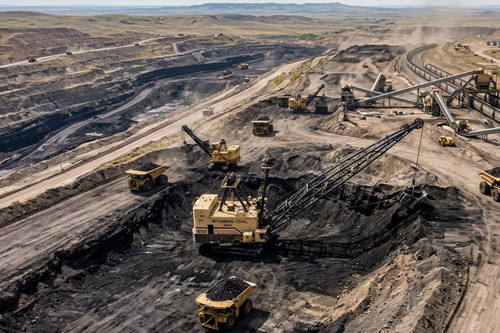
Rock work sets the scale of the production plan
Kyrgyz Komur says approximately 13-14 million cubic metres of rock must be drilled at the Kara-Keche open-pit mine for Kyrgyzstan to meet its planned coal output of 1.5 million tonnes in the current year, according to Tazabek. The estimate defines the physical scale of the preparatory mining work behind the national production target.
The figures imply that about 8.7-9.3 cubic metres of rock work would be required for every tonne of planned coal output. This is a calculated ratio based on the volumes reported by Tazabek, rather than an operating metric published by the company. It nevertheless illustrates why access to coal seams, removal of surrounding material and the sequencing of mine operations will determine whether the output plan can be delivered.
Kara-Keche is being operated as an open-pit mine, so coal production depends on more than extraction at the coal face. Rock drilling and associated mine preparation must advance fast enough to expose workable reserves and maintain access for mining equipment. If that work falls behind, the available coal faces can become the binding constraint even when demand and nominal extraction capacity remain in place.
Execution depends on equipment and mine sequencing
A rock-work programme measured in tens of millions of cubic metres requires coordinated drilling, excavation, hauling and disposal. The supplied report does not specify the number of machines, contractor capacity, work schedule or financing allocated to the programme. Those omissions make it impossible to assess from the published figures alone whether Kyrgyz Komur has sufficient operational capacity to complete the required work within the production period.
The relationship between rock volume and coal output also exposes the plan to equipment availability. Drilling rigs, excavators and haulage fleets must operate as a connected system: additional drilling creates little benefit if excavated material cannot be loaded and moved, while spare haulage capacity cannot compensate for coal seams that have not been exposed. Maintenance downtime, fuel supply and the condition of mine roads therefore matter directly to output.
Sequencing is equally important. Mine preparation normally has to precede coal extraction, meaning delays early in the programme may be difficult to recover later. Kyrgyz Komur would need to keep sufficient prepared mining areas available while continuing current production, rather than waiting for one stage of rock work to finish before beginning the next.
Limited disclosure leaves delivery risks unresolved
Tazabek’s reported figures provide a production objective and a rock-work requirement, but no interim milestones. Monthly or quarterly data on drilled and moved rock, exposed coal reserves and actual coal output would allow market participants to judge whether the mine is progressing toward the 1.5 million-tonne plan. Without those indicators, the target can be evaluated only after a substantial part of the operating period has passed.
The report also provides no production-cost estimate, coal price, sales allocation or trade-flow forecast. It therefore does not establish how much of the planned output is intended for domestic consumers or whether any volume could enter external markets. For producers, buyers and investors, the immediate issue is operational: Kyrgyz Komur must translate 13-14 million cubic metres of mine preparation into reliable access to enough coal to produce 1.5 million tonnes.