Kyrgyzstan and China open grain exports through the Torugart crossing
Kyrgyzstan and China have agreed to route grain exports through the Torugart border crossing, easing pressure on the Erkeshtam checkpoint. The same talks produced three protocols covering horses, processed mutton and goat meat, and fresh berries, and touched on fuel supplies moving from China into Kyrgyzstan.
Kyrgyzstan and China have agreed to organise grain exports through the Torugart crossing point on their shared border, adding a second road route for agricultural shipments into China, economist.kg reported, citing the press service of the Kyrgyz Cabinet of Ministers.
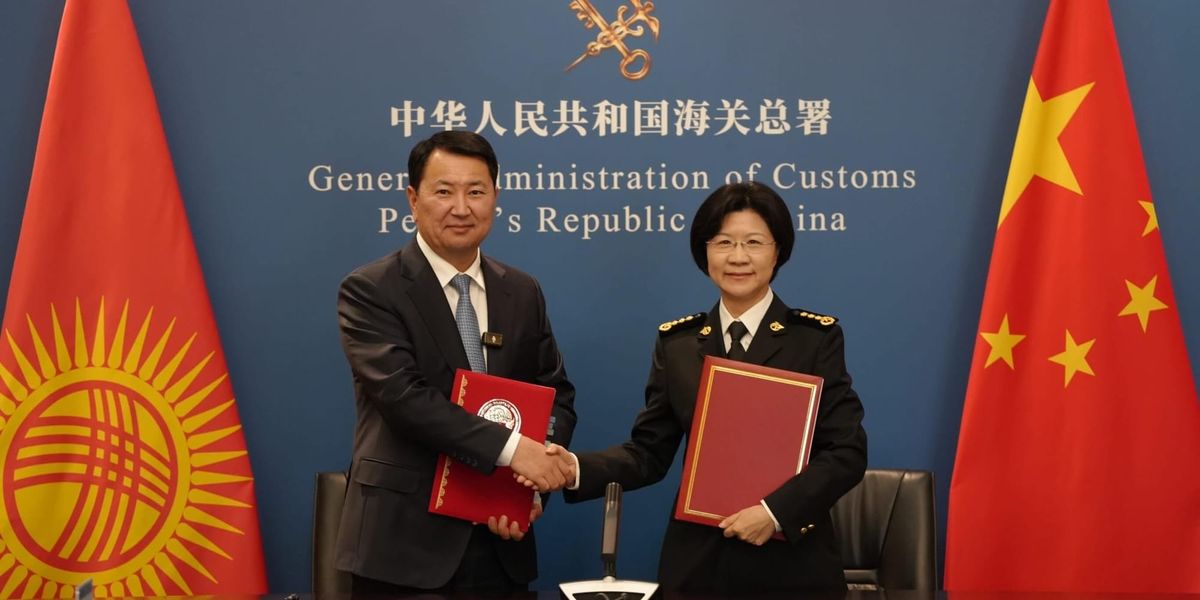
The arrangement was reached at a meeting between Erlis Akunbekov, Deputy Chairman of the Cabinet of Ministers of Kyrgyzstan, and Sun Meijun, Minister of the General Administration of Customs of China. The same round of talks produced three new protocols governing Kyrgyz food exports and covered fuel supplies moving in the opposite direction.
Grain gets a second crossing
Routing grain through Torugart is intended to reduce the load on the Erkeshtam crossing and to widen the capacity available for agricultural trade between the two countries, the Cabinet press service said in comments reported by economist.kg. Torugart and Erkeshtam are the two road gateways from Kyrgyzstan into China's Xinjiang Uygur Autonomous Region, and both are high mountain passes with limited daily throughput, which makes the split of traffic between them a practical question rather than a formality.
The two sides also discussed extending Torugart's operating hours. For bulk agricultural cargo, the working schedule of a mountain crossing is as binding a constraint as the road surface itself: trucks that fail to clear customs within the day wait for the next one, and the cost of that wait sits with the shipper. No volumes, tariff terms or start date for grain traffic through Torugart were disclosed in the announcement.
Three protocols on horses, meat and berries
Following the talks, the Ministry of Agriculture of Kyrgyzstan and the General Administration of Customs of China signed three protocols setting out the requirements that Kyrgyz supplies must meet on the Chinese market, according to economist.kg. The documents cover:
- horses;
- processed mutton and goat meat;
- fresh berries.
Bilateral protocols are the working instrument of Chinese import control for food and agricultural goods. Access is granted category by category, with veterinary and phytosanitary conditions written into each document, so a signed protocol for berries carries no weight for meat and vice versa. For exporters the signature marks the start of the process rather than its end: shipments typically begin only once farms and processing plants have been registered with the Chinese customs administration and inspection procedures have been agreed.
A widening list of approved goods
Kyrgyzstan had already obtained the right to ship raspberries, blackberries and currants to China, for which the two sides signed a separate phytosanitary protocol, economist.kg noted. In April 2026 Kyrgyzstan and China signed a further 17 protocols regulating exports of Kyrgyz agricultural products to the Chinese market, making the latest three documents part of a continuing sequence rather than an isolated step.
The meeting also addressed deliveries of fuels and lubricants from China to Kyrgyzstan and further cooperation between the two customs services, indicating that the agenda extends beyond agriculture. The pairing is characteristic of the exchange between the two economies: food and raw agricultural goods moving east, fuel and manufactured products moving west.
What the new arrangements are worth in volume terms remains open. The documents create legal channels and a second physical route for grain, but whether they translate into shipments depends on the operating regime finally set for Torugart, on how quickly Kyrgyz producers clear Chinese registration requirements, and on the exportable grain surplus the country can actually offer. None of those parameters was specified when the results of the talks were published.