Kyrgyzstan bans fuel exports and secures 100,000 tonnes a month from Russia
Kyrgyzstan has banned most petroleum product exports as it moves to protect a market heavily dependent on Russian fuel. Russia will supply 100,000 tonnes a month through the end of 2026, while Belarus and China are also providing fuel.
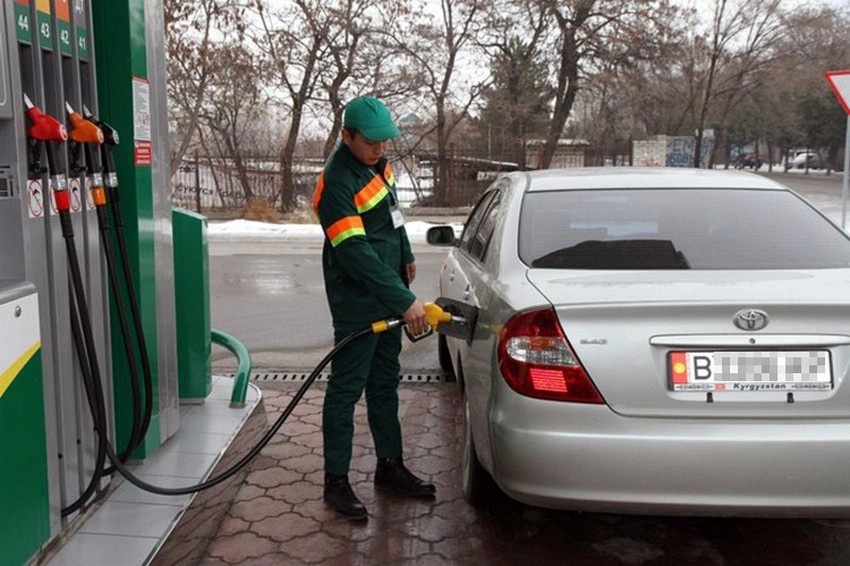
Kyrgyzstan restricts outbound fuel flows
Kyrgyzstan has imposed an open-ended ban on exports of crude oil, gasoline, diesel and other petroleum products by road and rail as the government seeks to secure domestic fuel supplies. Rossiyskaya Gazeta reported that the restriction will remain in place until the internal market is fully supplied with adequate reserves or a common oil and petroleum products market begins operating within the Eurasian Economic Union.
Naphtha, fuel oil and heating oil are exempt, but may be exported for processing only under a separate government decision. The resulting products must be returned to Kyrgyzstan. The government has also simplified fuel import procedures to help maintain deliveries to domestic filling stations.
Russian agreement covers 100,000 tonnes a month
Russia has agreed to supply Kyrgyzstan with 100,000 tonnes of fuel a month at exchange prices through the end of 2026, according to the Kyrgyz government’s press service. The monthly volume corresponds to the existing intergovernmental commitment for 1.2 million tonnes a year.
The agreement is central to Kyrgyzstan’s fuel balance. The Kyrgyz Energy Ministry estimates annual petroleum product demand at 2 million tonnes, up from 1.6 million tonnes in 2025. Rossiyskaya Gazeta said Russia supplied 93% of the country’s requirements, while the Kyrgyz government put Russia’s share of gasoline, diesel and aviation kerosene supplies at about 90-95%.
Supply security came under pressure after attacks by Ukrainian drones contributed to shortages in Russia and Moscow tightened petroleum product exports. Russia subsequently extended its restrictions on gasoline and diesel exports until January 31, 2027, with the new measures taking effect on August 1. Kyrgyz First Deputy Prime Minister Daniyar Amangeldiev said the Russian side had assured continued deliveries to Gazprom and Rosneft networks in Kyrgyzstan and expected the broader supply problem to be resolved within two to three months.
Belarus and China provide alternative volumes
Kyrgyzstan is also seeking supplies from Belarus, China and other regional producers. According to Rossiyskaya Gazeta, Belarus is expected to provide 60,000-70,000 tonnes a month, with Russia allowing the fuel to transit its territory. China has agreed to supply several tens of thousands of tonnes of aviation kerosene and diesel. Deliveries from both countries have already begun, the Kyrgyz government said.
Officials are discussing additional sourcing from Uzbekistan, Turkmenistan and Kazakhstan; Azerbaijan has also been considered. The diversification effort is supported by subsidies compensating importers for the difference between market acquisition costs and fixed domestic selling prices.
Price controls accompany supply measures
To limit sharp retail price increases and speculation, Kyrgyzstan has fixed prices for selected petroleum products and liquefied petroleum gas. The Ministry of Economy and Commerce is monitoring filling-station prices daily, while the antimonopoly authority has reached a pricing agreement with domestic fuel traders.
The government is also examining whether local refineries can convert accumulated stocks of low-octane AI-80 gasoline into AI-92. AI-80 had attracted little demand in the domestic market, but processing it into a more widely used grade could reduce import dependence at the margin. The export ban, Russian supply commitment and alternative shipments together provide a short-term buffer, although the market remains strongly exposed to Russian production and export policy.