Kyrgyz Lawmaker Proposes Two Potato-Processing Plants to Replace Fry Imports
Kyrgyz lawmaker Rakhat Zhunushbaeva has proposed building at least two large potato-processing plants. She said Kyrgyzstan imports about $10 million of frozen french fries annually despite an expected domestic potato surplus in 2026.
Proposal targets a gap in domestic processing
Kyrgyz lawmaker Rakhat Zhunushbaeva has proposed establishing at least two large potato-processing plants in the country, arguing that local production could replace part of Kyrgyzstan’s frozen french fry imports and provide farmers with a more reliable sales channel. She raised the issue on October 2 during a meeting of the Ishenim parliamentary group, according to Economist.kg.
Zhunushbaeva said Kyrgyzstan spends about $10 million each year on imported frozen french fries. In her account, the imported product costs approximately 100 soms per kilogram after customs clearance and reaches a final selling price of about 150 soms per kilogram. The figures point to a substantial price gap between unprocessed potatoes at the farm gate and the finished frozen product sold to consumers and food-service operators.
The proposal remains a political initiative rather than an announced investment project. The available information does not identify prospective operators, plant locations, production capacity, construction costs or a timetable. Those details would determine whether two large facilities could operate efficiently and compete with established foreign suppliers.
Farmers receive 12–13 soms per kilogram
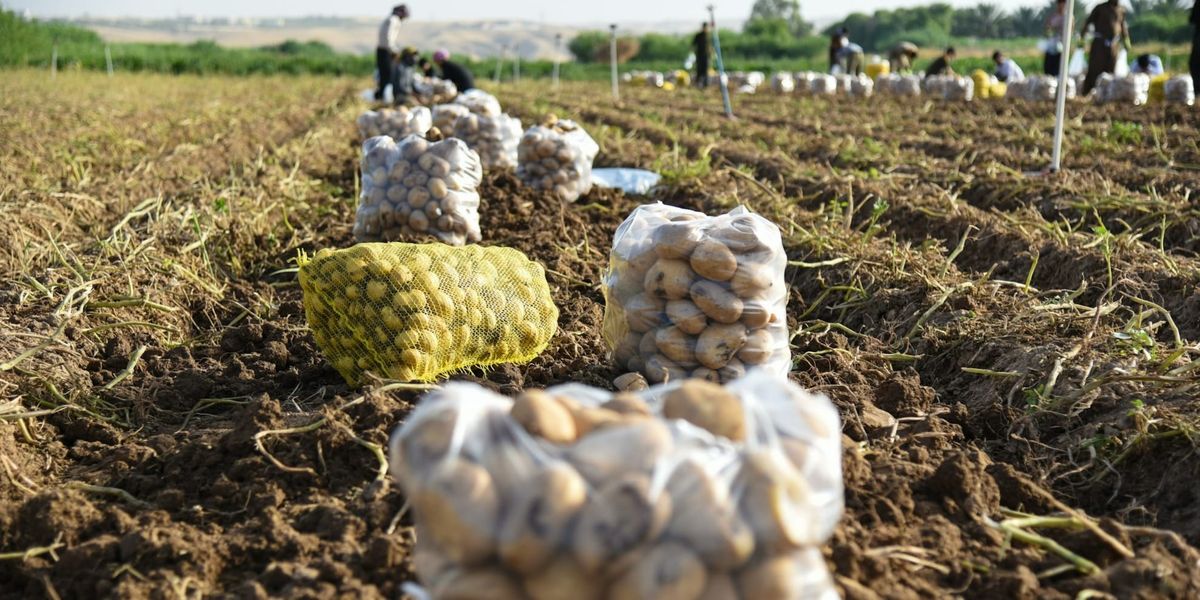
Zhunushbaeva said farmers sell potatoes for roughly 12–13 soms per kilogram, while prices increase significantly as the product moves toward the final buyer. She said she had visited fields in the Ton and Jeti-Oguz districts and spoken with producers. Domestic processing could give those farms another outlet beyond sales of fresh potatoes, particularly when harvest volumes exceed immediate market demand.
A french fry plant, however, would require more than an abundant supply of potatoes. Commercial production depends on suitable varieties, consistent tuber size and quality, storage, washing, cutting, frying, freezing, packaging and reliable cold-chain distribution. A local processor would also need purchase contracts and quality standards that farmers could meet consistently. Without those elements, a large harvest alone would not guarantee a competitive finished product.
Zhunushbaeva argued that new plants would create jobs, secure a market for farmers and retain more value inside Kyrgyzstan. The reported price ladder supports the case for examining local processing: farm potatoes at 12–13 soms per kilogram are far below the approximately 100-som landed cost and 150-som final price cited for frozen fries. The comparison is not a direct measure of processing profitability, because the finished product also includes manufacturing, oil, energy, packaging, storage, logistics and retail costs.
Expected harvest exceeds domestic requirement
The Agriculture Ministry expects Kyrgyzstan’s 2026 potato harvest to reach about 1.25 million tonnes, compared with domestic requirements of 799,700 tonnes, Economist.kg reported. On those figures, production would exceed stated internal needs by roughly 450,300 tonnes. That potential surplus strengthens the argument for additional storage, processing or external sales channels, although the source does not specify how much of the crop meets industrial french fry specifications.
The ministry has also proposed restricting potato imports until March 1, 2027. An import restriction could support prices for domestic growers, but it would address fresh supply more directly than the technical and commercial requirements of frozen fry production. For investors, the central questions are whether Kyrgyzstan can supply processing-grade potatoes at predictable quality and cost, and whether domestic food-service and retail demand is large enough to support two major plants. For farmers, dependable contracts could reduce exposure to low harvest-season prices, provided processors offer clear quality requirements and reliable payment terms.