Kyrgyz construction boom drives 2.6-fold rise in sand extraction
Kyrgyzstan extracted 1.72 million tonnes of sand and 2.68 million tonnes of crushed stone, gravel and pebbles in January-July 2026. Construction demand helped lift total mining output by 16.9%, while declining oil and gas production increased the country’s exposure to imports.
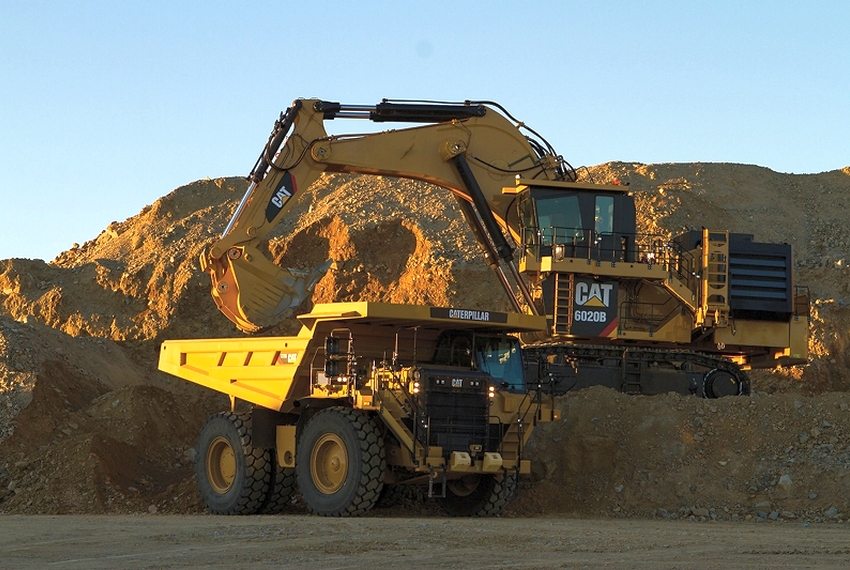
Construction materials lead mining growth
Kyrgyzstan’s construction boom sharply increased demand for locally quarried materials in the first seven months of 2026. Sand extraction rose 2.6-fold year on year to 1.7239 million tonnes, while production of crushed stone, gravel and pebbles nearly doubled to 2.6831 million tonnes, according to 24.kg, citing a report from the National Statistical Committee.
The acceleration was especially pronounced in July. Producers extracted 445,800 tonnes of sand during the month, 92.9% more than in July 2025. Output of crushed stone, gravel and pebbles reached 650,100 tonnes, an increase of 48.7%. These materials are fundamental inputs for concrete, road construction and other infrastructure work, making their output a direct indicator of activity across the domestic construction supply chain.
July output accelerates across the mining sector
The value of Kyrgyzstan’s mining production reached 52.1843 billion soms in January-July 2026, up 16.9% from the same period of 2025. July alone generated 8.1708 billion soms of output, representing year-on-year growth of 38.5%. The report linked this faster monthly expansion to strong construction activity and higher lignite production.
The category of other minerals, which includes the quarry products supporting construction, doubled and became the main driver of sector growth. Metallic ore production increased by 21%, while aggregate coal extraction rose by 11.7%. The figures indicate that the expansion was not uniform: quarry materials, lignite and metallic ores advanced, but several energy commodities moved in the opposite direction.
Coal expands as hydrocarbons decline
Lignite production increased by 28% to 1.634 million tonnes in January-July, including 209,700 tonnes in July. Hard coal output fell by 10.6% over the seven-month period to 630,500 tonnes, although July production recovered by 18.1% year on year to 140,000 tonnes. The different trends within coal show that the headline increase depended primarily on lignite rather than broad-based growth across all grades.
Domestic hydrocarbon production continued to weaken. Crude oil extraction declined by 8.1% to 143,500 tonnes in January-July and fell by 8.4% year on year in July to 20,700 tonnes. Natural gas output dropped by 4% to 14.5 million cubic metres over seven months; July production was 1.3 million cubic metres, down 7.1%. According to 24.kg, this contraction is increasing Kyrgyzstan’s import dependence as domestic motor-fuel prices rise sharply.
Capacity, costs and oversight
The quarry figures suggest that suppliers rapidly increased operating rates to serve construction projects. However, the available data do not identify installed capacity, individual producers, regional production sites or selling prices. For processors and contractors, the key commercial question is whether supply can continue expanding fast enough to prevent shortages and higher delivered costs, particularly when fuel becomes more expensive.
Transportation is critical because sand and crushed stone are bulky, relatively low-value products whose economics depend heavily on distance from quarry to project. Falling domestic oil and gas production does not directly determine quarry capacity, but greater exposure to imported fuel can raise extraction and haulage costs. The statistical report also provides no figures on land rehabilitation, water use, dust, licensing or environmental compliance. With extraction volumes rising this quickly, those indicators will be important for assessing whether production growth can be sustained without tighter operational constraints.