Krasnoyarsk Region Triples Rapeseed Meal Exports to China in H1 2026
Russia's Krasnoyarsk region shipped 33,700 tonnes of rapeseed meal to China in the first half of 2026, three times the volume of a year earlier. Regional Rosselkhoznadzor inspectors certified the cargo, moved by road and rail, as meeting Chinese sanitary requirements.
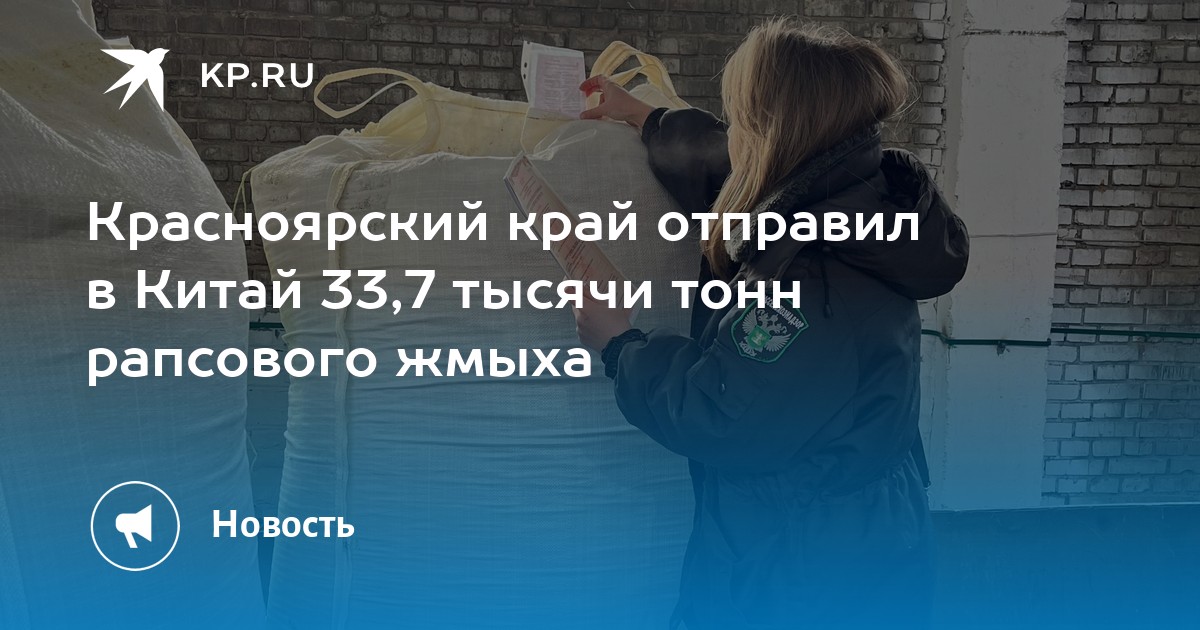
Krasnoyarsk region triples rapeseed meal shipments to China
Russia's Krasnoyarsk region exported 33,700 tonnes of rapeseed meal to China during the first half of 2026, three times the volume shipped over the same period a year earlier, according to the regional office of Rosselkhoznadzor as reported by Komsomolskaya Pravda. The shipments covered the period from 1 January to 30 June 2026.
What moved and how it was cleared
The cargo consisted of rapeseed meal, the protein-rich residue left after rapeseed oil is pressed from the seed and used mainly as a feed ingredient in livestock and poultry rations. Inspectors from the regional Rosselkhoznadzor supervised the consignments and confirmed that the product met the veterinary and sanitary requirements of the importing country. That compliance was backed by laboratory testing, the agency said.
Deliveries reached China by both road and rail transport, according to Rosselkhoznadzor. The use of two overland modes underscores the reliance on cross-border land routes for moving bulk feed ingredients from Siberia into the Chinese market, rather than seaborne shipping from Russia's western or Pacific ports.
A widening feed-ingredient trade lane
The threefold year-on-year increase points to a rapidly expanding trade lane for a single feed commodity out of one Russian region. Rapeseed meal is a substitute or complement to soybean meal in animal diets, and China is among the world's largest consumers of protein feed for its livestock and aquaculture sectors. A tripling of tonnage from Krasnoyarsk over twelve months signals both rising Chinese demand for the ingredient and growing processing and export capacity in the Siberian region.
For importers and feed compounders in China, additional supply from Krasnoyarsk broadens the pool of protein meal available on overland routes. For Russian crushers and traders, China represents a large and geographically close outlet for meal produced as a co-product of the region's rapeseed oil industry. The figures reported cover only Krasnoyarsk and only the January–June window, so they capture a slice of the broader Russia–China oilseed and meal trade rather than the national total.
Certification and logistics in focus
The involvement of Rosselkhoznadzor inspectors and laboratory confirmation reflects the veterinary and phytosanitary controls that govern feed shipments into China. For exporters, clearing these requirements is a precondition for access, and consistent certification supports the continuity of the trade lane. The role of road and rail transport also places attention on border-crossing capacity and rail logistics as the practical constraints on how fast such volumes can scale.
Komsomolskaya Pravda, citing Rosselkhoznadzor, did not report price levels, the value of the shipments, or the specific Chinese buyers involved. The available data establish the volume, the year-on-year change, the transport modes and the certification status for the first six months of 2026.