Krasnodar begins rice harvest from nearly 100,000 hectares
Russia’s Krasnodar Region has started harvesting rice from nearly 100,000 hectares, targeting output of about 850,000 tonnes. The harvest begins after wholesale prices fell sharply and Russia removed export restrictions, although Russian rice remains more expensive than comparable Thai supplies.
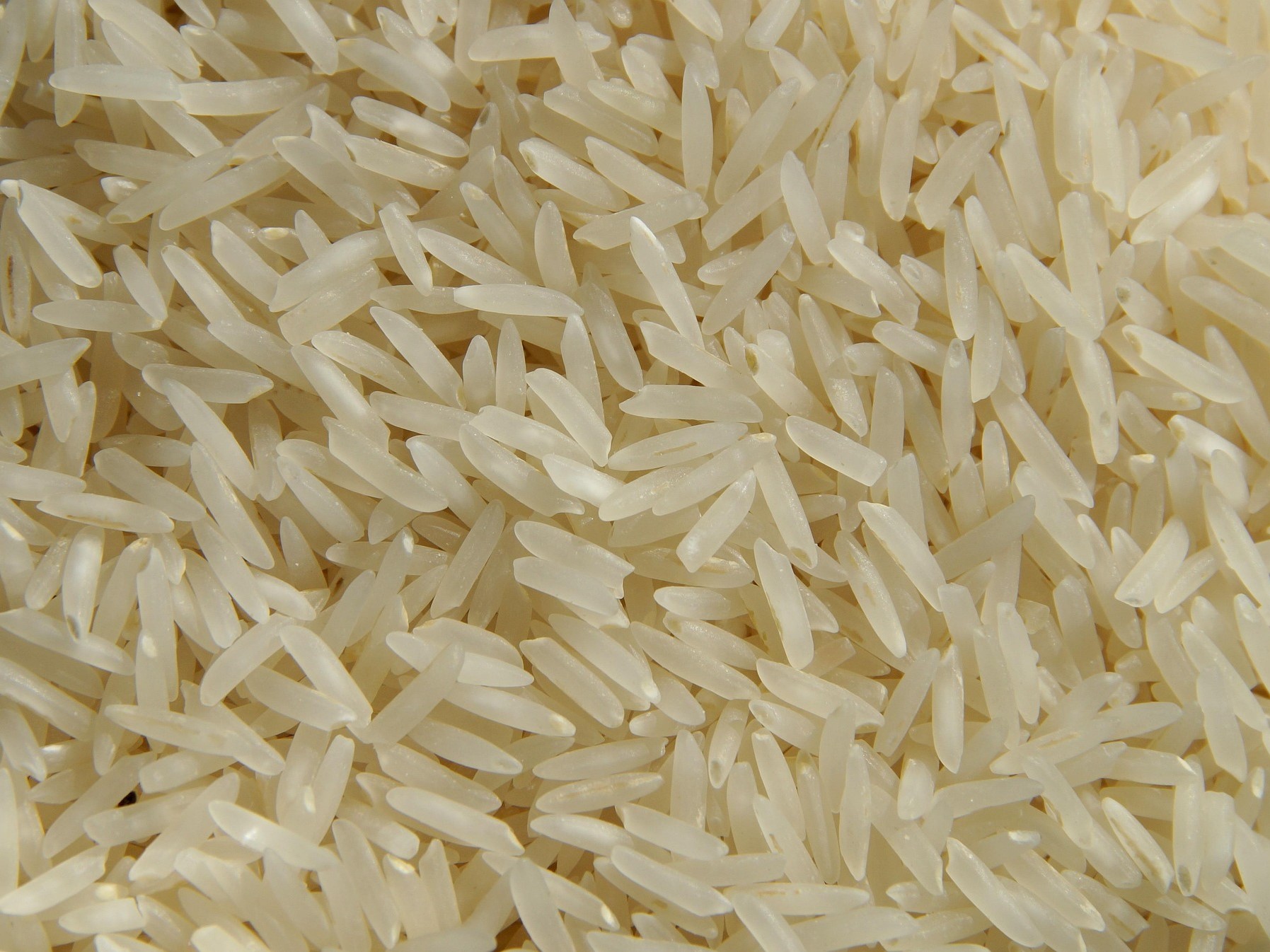
Kuban farms target about 850,000 tonnes
Krasnodar Region, Russia’s main rice-producing area, has begun harvesting the crop from nearly 100,000 hectares. Governor Veniamin Kondratyev said favorable weather had allowed farmers to target a harvest of about 850,000 tonnes, no lower than the region’s 2025 result. Farms in the region collected more than 850,000 tonnes last year.
According to ZOL, 670 combine harvesters are already working in the fields and another 144 machines are expected to join the campaign. Three large elevators—two in Kalininsky District and one in Krasnoarmeysky District—can collectively receive almost 320,000 tonnes of grain. The region has eight principal rice-growing districts, with the largest planted areas in the Krasnoarmeysky, Slavyansky and Kalininsky municipalities.
Regional target conflicts with lower national forecast
Krasnodar normally accounts for about 70% of Russian rice production, making its harvest decisive for national supply. However, Agroinvestor cited ProZerno chief executive Vladimir Petrichenko as forecasting Russia’s 2026 rice crop at 834,000 tonnes, down from 1.235 million tonnes in 2025. That national estimate is below the regional target of about 850,000 tonnes reported by the governor, creating a clear discrepancy between the two outlooks.
Petrichenko linked the expected national decline to a 25% reduction in planted area to 146,000 hectares, following restrictions on shipments to foreign markets. He said closed export channels had depressed prices, weakened producer interest and prompted farmers to reduce acreage. Krasnodar’s entire rice area was planted with locally developed Kuban seed. ZOL reported that Kuban varieties cover 100% of the region’s rice fields and more than 90% of rice acreage across Russia.
Export reopening meets a price disadvantage
Average wholesale prices for milled rice fell continuously from 2023, dropping from 80,000 rubles per tonne to 38,000 rubles per tonne in summer 2026, Agroinvestor reported. Prices recovered slightly in August to an average of 41,000–42,000 rubles per tonne. Petrichenko said the increase could become a trend, particularly after the government removed export restrictions and cancelled the quota.
Russia had prohibited exports of paddy rice from July 1, 2022, after an accident at the Fedorovsky hydraulic facility in Krasnodar Region. From 2026, exports of both milled and paddy rice were allowed under a 200,000-tonne tariff quota, which was subsequently removed. The National Rice Union said Russian exporters lost a significant share of their overseas customers during the restrictions, while importers found alternative suppliers and rebuilt logistics. Before the measures, Russia produced about 1.2 million tonnes of paddy rice annually and exported 140,000–160,000 tonnes. Rebuilding those flows may be difficult: Russian rice averages just over $500 per tonne, compared with $482 per tonne for quality Thai rice FOB Bangkok.