Kraków begins 886 million zloty gas cogeneration build with Unibep and SBB Energy
Construction of a new gas-fired cogeneration source has started at the Kraków combined heat and power plant, strefabiznesu.pl reported. The 886 million zloty contract is being delivered by a consortium of two Polish companies, Unibep and SBB Energy. The stated aim is to cut coal use at the site while keeping the city's heat and power supply intact.
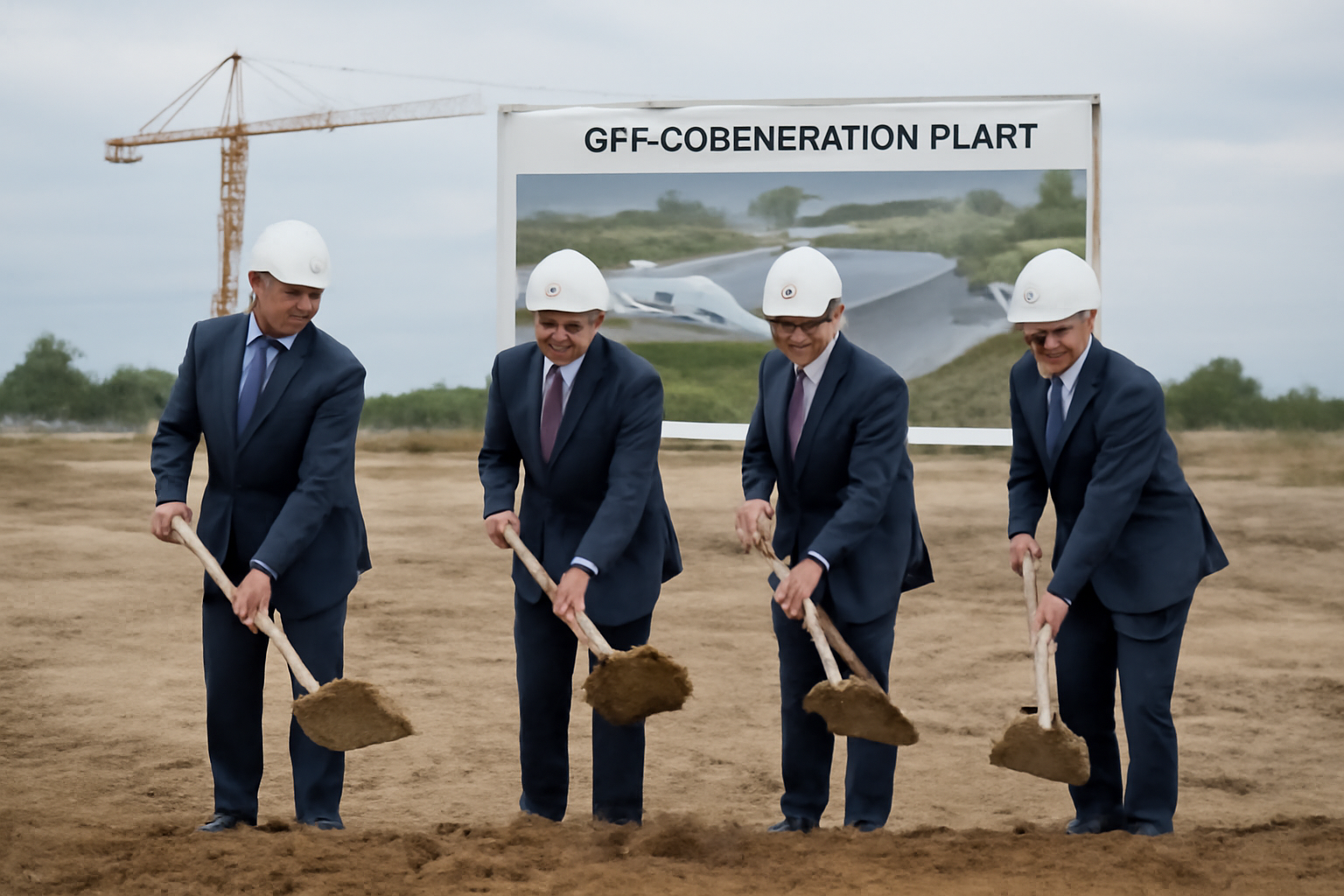
Construction begins at the Kraków CHP plant
Construction of a new gas-fired cogeneration source has begun at Elektrociepłownia Kraków, the combined heat and power plant that supplies the city, strefabiznesu.pl reported. The investment is worth 886 million zloty. It is being carried out by a consortium of two Polish companies, Unibep and SBB Energy. The project is one of the larger single heat-source contracts currently under way in the Polish market.
The unit is being built on an existing industrial site rather than on greenfield land. That keeps it inside the district heating system it already serves and shortens the path to network and grid connection, two of the slowest steps in any new heat-source project. The declared purpose, as described by strefabiznesu.pl, is to burn less coal while maintaining heat and power output for Kraków.
A domestic consortium takes the contract
Both contractors are Polish. A contract of this size is a significant reference in a domestic heat sector where investment is being driven by the need to replace ageing coal-fired units. For Unibep and SBB Energy, the Kraków job means a multi-year revenue stream in a segment that is more specialised than general construction work, and it places the general contracting role with domestic firms rather than with a foreign engineering lead.
A cogeneration source of this value normally runs for several years from groundbreaking to handover. The scope covers civil works, the engine or turbine island, heat recovery equipment, connection to the heating network and commissioning. Each stage carries its own supply chain, and main equipment orders for units of this class are usually placed well before site work begins, which means a large share of the 886 million zloty is committed early.
Why gas cogeneration
Cogeneration produces heat and electricity in one process, so the fuel burned to warm a city also yields power that can be sold or consumed on site. That is the economic logic behind replacing coal capacity with a gas cogeneration unit rather than with a heat-only boiler: the plant keeps two revenue lines instead of one, and the electricity side helps carry the fixed cost of the investment through the summer months when heat demand collapses.
The trade-off is fuel exposure. A coal-fired heat source ties the operator to coal prices and to the cost of emission allowances. A gas unit lowers emissions per unit of heat delivered, but links variable cost to gas markets, which are more volatile and, for Poland, more dependent on imported supply. Operators making this switch are exchanging one commodity risk for another, with a lower carbon bill attached and a different set of hedging requirements.
What the announcement leaves open
The reported details stop at the value of the contract, the start of construction and the identity of the contractors. Several parameters that matter to equipment suppliers, fuel traders and investors have not been disclosed:
- the thermal and electrical capacity of the new unit;
- the commissioning date and the phasing of coal capacity retirement at the site;
- the financing structure, including any public or EU support;
- gas supply arrangements and the duration of the contracts behind them.
Those numbers will determine how much coal the Kraków plant actually displaces and how much incremental gas demand the project creates once it runs. Until they are published, the firm data points are the 886 million zloty contract value, the start of construction and the two Polish companies delivering it.