Korean sauces gain global visibility as K-food interest moves beyond noodles
Buldak sauce, gochujang and ssamjang are attracting attention from overseas creators on TikTok, YouTube and Instagram. MBN reports that the trend is turning Korean condiments into lifestyle products and widening the international opportunity for K-food suppliers.
Social media puts Korean condiments in front of global consumers
Korean sauces are emerging as the next visible category in the international expansion of K-food. Interest that developed around buldak fried noodles is spreading to buldak sauce, gochujang and ssamjang, giving overseas consumers more ways to engage with Korean flavors beyond a single packaged meal.
MBN reports that short-form videos featuring these products are circulating among overseas creators on TikTok, YouTube and Instagram. Sesame oil and perilla oil are also appearing in the content, indicating that attention is extending from hot sauces and fermented pastes to ingredients used more broadly in Korean cooking.
The social-media format matters because it shows consumers how the products are used. A sauce can be added to noodles, meat or other dishes, while fermented pastes and aromatic oils can become recurring pantry ingredients. This gives the category a different commercial profile from a viral food challenge built around one finished product.
From buldak noodles to a wider K-food basket
Buldak fried noodles provided an accessible introduction to a distinctively spicy Korean taste. The growing visibility of buldak sauce allows that flavor to move outside the original noodle format. Consumers can apply it to foods they already buy and prepare, potentially broadening its relevance across markets and eating occasions.
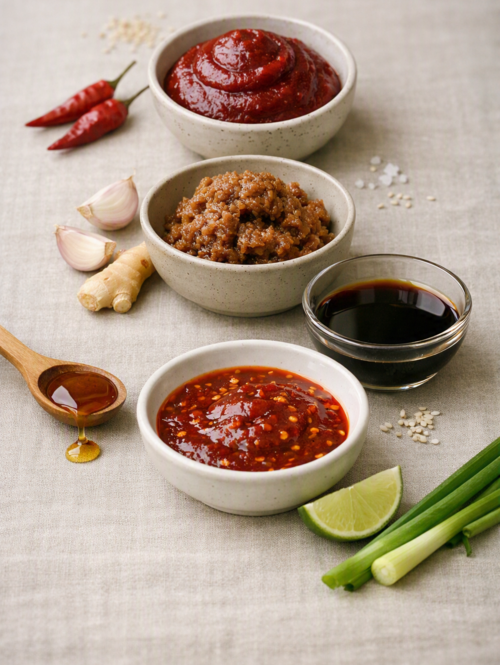
Gochujang and ssamjang add another dimension. Rather than serving only as branded extensions of a popular noodle line, they represent established Korean condiment traditions. MBN describes sauces as the finishing touch that creates the deep savory character of K-food, placing them at the center of the cuisine rather than on its periphery.
This progression could benefit producers with portfolios spanning ready meals, sauces, fermented products and cooking oils. It also gives importers and retailers a reason to build a broader Korean-food assortment instead of relying on one viral item. The opportunity, however, depends on explaining unfamiliar products clearly and showing how they fit into local cooking habits.
A lifestyle category takes shape
MBN says K-sauces are attracting attention as Korean lifestyle items. That framing links condiments to the wider international interest in Korean popular culture, but the products must still compete as everyday food purchases. Repeat demand will depend on taste, convenience and versatility after the initial novelty fades.
The range appearing online suggests several possible entry points. Buldak sauce offers familiarity to consumers who already know the noodles. Gochujang and ssamjang can introduce fermented Korean flavors, while sesame and perilla oils can appeal through cooking applications rather than heat alone.
For exporters, distributors and food manufacturers, the key development is the widening of the product funnel. Social platforms are exposing consumers to ingredients that previously required knowledge of Korean cuisine or access to specialist shops. If that awareness converts into regular household use, Korea’s food-export opportunity could expand from individual hits toward a more diversified condiment and ingredient category.