Korean Farm-Input Mission Signs $4.98 Million in Export Agreements in Southeast Asia
Twenty-seven Korean agricultural-input companies secured export agreements worth $4.98 million after meetings in Indonesia and Malaysia. The mission held 276 consultations with 58 local buyers, covering prospective business valued at $21.41 million.
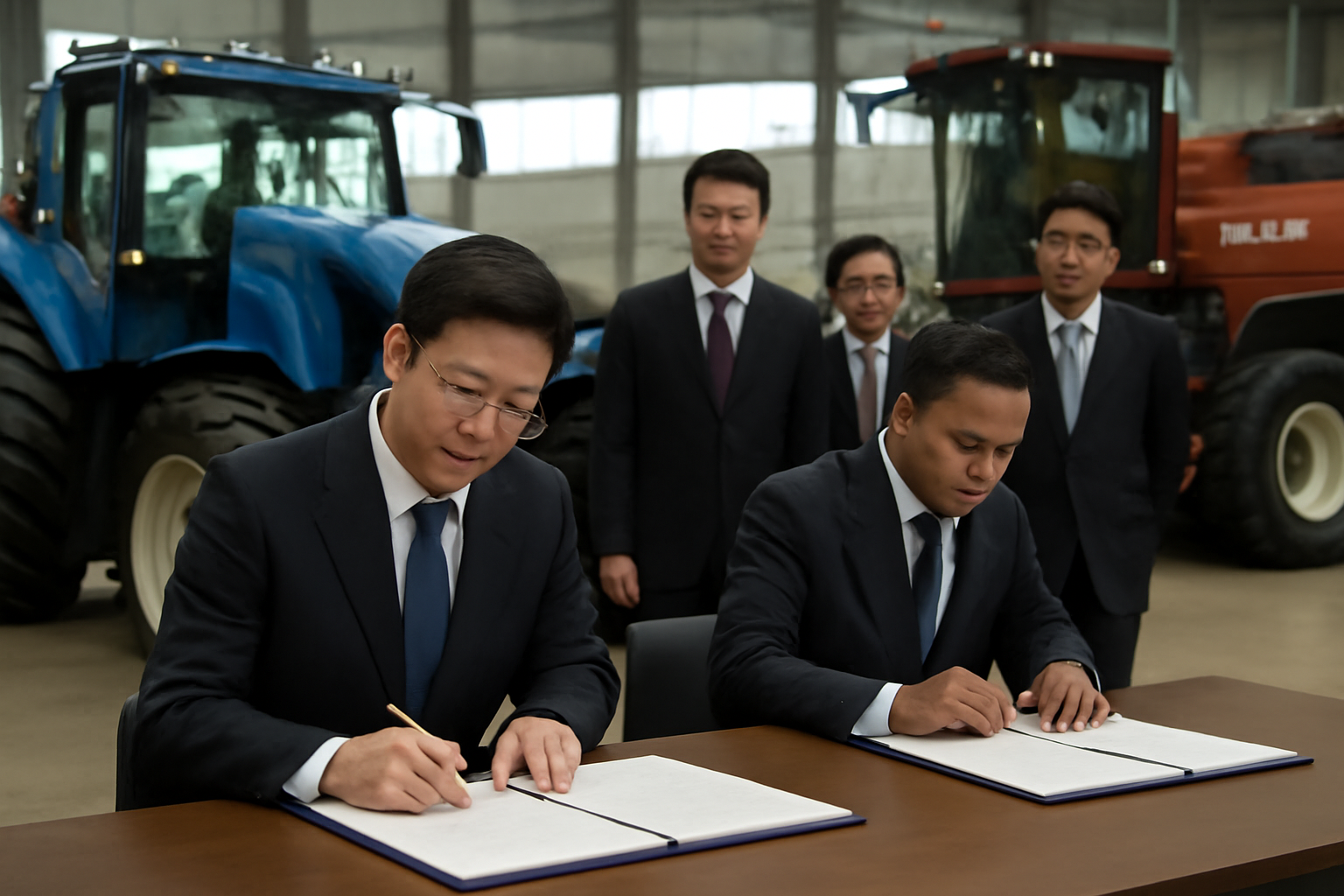
Agreements follow two-country buyer mission
A delegation of 27 South Korean agricultural-input exporters secured export agreements worth $4.98 million during a market-development mission to Indonesia and Malaysia. South Korea’s Ministry of Agriculture, Food and Rural Affairs and the Korea Rural Community Corporation organized the initiative, which connected participating suppliers with prospective buyers in the two Southeast Asian markets.
The agreements were reached after meetings with 58 local buyer companies. In total, the Korean suppliers and their counterparts conducted 276 consultations representing $21.41 million in prospective business. The value discussed during the meetings was therefore substantially larger than the agreements secured during the mission, leaving a broader pipeline that may depend on subsequent negotiations, product assessments and commercial terms.
Twenty-seven suppliers test regional demand
The participation of 27 exporters gave the mission a wider scope than a promotion centered on a single company or product. Agricultural inputs encompass equipment and other materials used by farms, making buyer selection, technical suitability and after-sales support important parts of any transaction. The available information does not identify individual participating companies, product categories or the allocation of agreement value between Indonesia and Malaysia.
The 58 buyers held an average of more than four consultations each, indicating that the program was designed to expose purchasers to multiple Korean suppliers. For exporters, this format can reduce the cost of identifying potential distributors or customers in unfamiliar markets. For buyers, it allows comparison of products and commercial proposals within a concentrated schedule. The agreements provide an initial measure of demand, while the $21.41 million consultation total shows the larger volume of opportunities discussed.
Execution will determine the final trade impact
Export agreements signed during business missions do not by themselves disclose when shipments will begin or how much prospective business will become completed sales. The reported figures contain no delivery timetable, binding contract value by company, financing terms or expected shipment volumes. The immediate result is therefore best measured as $4.98 million in agreements supported by a wider set of buyer discussions, rather than as confirmed exports across the full $21.41 million pipeline.
Follow-up will be central for the Korean companies seeking to convert consultations into orders. Suppliers may need to address local operating conditions, distribution, maintenance and buyer requirements before transactions are finalized. Indonesia and Malaysia offer separate commercial environments, so progress may vary by buyer and product. For market participants, the next relevant indicators will be binding orders, disclosed shipment schedules and repeat purchases arising from the 276 consultations.