Andong, RDA and Ottogi Jeyu target premium sesame oil as Korean exports rise
Andong city, the Rural Development Administration and Ottogi Jeyu will build a domestic functional sesame supply chain and commercialize premium sesame oil. The initiative follows a 37.0% rise in South Korean sesame oil export value during January-April 2026.
Three partners build a domestic sesame chain
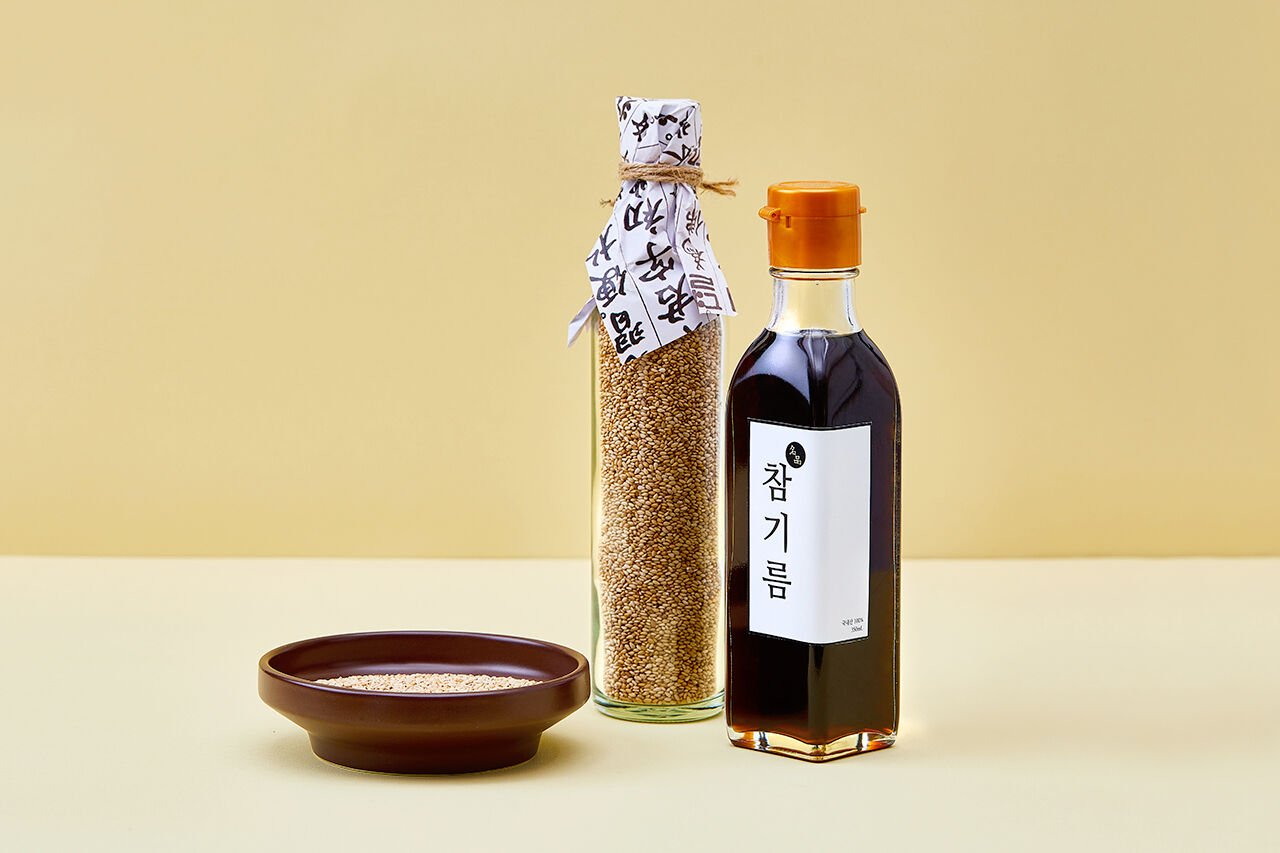
South Korea is seeking to turn premium sesame oil into a stronger K-food category through a partnership linking agricultural research, local production and industrial processing. On July 27, Andong city, the Rural Development Administration's National Institute of Crop Science and Ottogi Jeyu signed a three-party memorandum of understanding covering the creation of a domestic functional sesame production base and the commercialization of premium sesame oil.
The agreement assigns a distinct part of the supply chain to each participant. The National Institute of Crop Science will develop and distribute functional sesame varieties, provide cultivation technology and analyze the quality and functional properties of harvested seed. Andong will establish a specialized production area for raw sesame, expand support for growers and increase the planted area. Ottogi Jeyu will install pressing facilities dedicated to domestically grown sesame and develop premium oils using the new varieties.
Daily Hankooki reported that the signing was attended by 15 people, including Andong Mayor Kwon Ki-chang, National Institute of Crop Science Director Kim Byeong-seok, Ottogi Jeyu chief executive Kim Nak-hyun and representatives of contract farmers. Their involvement places contract cultivation at the center of a project intended to connect plant breeding directly with commercial processing.
Andong starts with 3 tonnes of production
Andong plans to produce 3 tonnes of sesame in 2026 while extending farm support and gradually expanding cultivation. The initial volume is small for an industrial oilseed program, indicating that the first phase will serve primarily to establish cultivation practices, raw-material quality and processing specifications for a premium product.
The project will use functional sesame varieties developed by the National Institute of Crop Science. Nongmin reported that their lignan content, including sesamin and sesamolin, is three times that of foreign sesame. The institute has also identified liver-cell protection and memory-improvement effects. Daily Hankooki separately described antioxidant, liver-protection and memory-related benefits and said the harvested seed would be used in premium sesame oil products.
For growers, the commercial test creates a potential outlet for a differentiated crop rather than an undifferentiated oilseed. For Ottogi Jeyu, dedicated pressing capacity offers greater control over segregation and product consistency. The commercial case, however, will depend on whether domestic cultivation can expand beyond the initial 3 tonnes while preserving the functional characteristics that support premium positioning.
Exports reach records but growth rates diverge
The initiative comes as overseas sales of South Korean sesame oil rise. According to Korea Customs Service data cited by Nongmin, exports reached $6.14 million, or KRW9 billion, in January-April 2026, an increase of 37.0% from the same period a year earlier. Export volume climbed 47.6% to 657 tonnes. Both value and volume were records for the first four months of a year.
A broader first-half figure from the Ministry of Agriculture, Food and Rural Affairs showed sesame oil exports of $8.4 million, or KRW12.3 billion, up 12.0% year on year. The different reporting periods explain why the growth rates are not directly comparable, but both datasets show continued expansion in overseas demand.
The production partnership is designed to move beyond volume growth by creating a higher-value product based on Korean-grown seed, documented functional characteristics and dedicated processing. That could give processors a clearer point of differentiation in export markets while creating a new domestic sales channel for farmers. No investment amount, processing-capacity target, product launch date or export-market breakdown was disclosed, leaving the scale and international reach of the program dependent on the results of its initial production and commercialization phase.