Korea and Mongolia agree in principle on CEPA, scrapping tariffs on cosmetics, ramen and seaweed
South Korea and Mongolia have reached an agreement in principle on a Comprehensive Economic Partnership Agreement that will remove tariffs on Korean consumer exports, according to Ajunews. Cosmetics, ramen and seasoned seaweed are among the products whose duties will be eliminated, strengthening the price competitiveness of K-food and K-beauty in Mongolia.
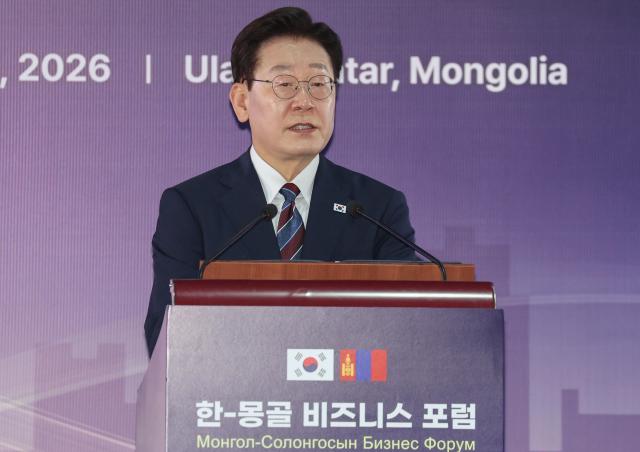
Seoul and Ulaanbaatar reach agreement in principle on CEPA
South Korea and Mongolia have concluded an agreement in principle on a Comprehensive Economic Partnership Agreement (CEPA), according to the South Korean outlet Ajunews. Citing the Ministry of Trade, Industry on 11 July, the report said the deal is expected to speed up efforts by Korean distribution and consumer-goods companies to expand in the Mongolian market once the agreement enters into force.
A CEPA is a comprehensive bilateral framework that lowers trade barriers across goods and other areas. Under this agreement, tariffs will be removed on several of Korea's leading consumer exports. Ajunews identified cosmetics, ramen (instant noodles) and seasoned seaweed, known as jomgim, among the products whose duties are set to be eliminated.
A price edge for K-food and K-beauty
Removing these tariffs is expected to improve the price competitiveness of Korean food and beauty products in Mongolia, Ajunews reported. For exporters, lower landed costs would let Korean goods compete more directly on shelf price with local and third-country brands, a decisive factor in a retail market where imported consumer goods carry an added duty burden.
The outlet framed the products as core categories of the "K-food" and "K-beauty" export waves, segments in which Korean manufacturers have built recognition across Asian consumer markets. Cosmetics, instant noodles and seasoned seaweed rank among the country's more visible packaged-goods exports.
Retail networks already in place
Ajunews noted that Korean companies can build on distribution networks already established in Mongolia, including convenience stores and hypermarkets. That existing footprint is expected to serve as a base, described by the outlet as a forward operating base for K-distribution, through which tariff-free goods can reach Mongolian consumers.
For importers on the Mongolian side, the removal of duties on Korean consumer staples could lower procurement costs and widen the range of affordably priced imported goods available through modern retail channels.
Next steps
The agreement has been concluded in principle, the stage that precedes a final text and formal entry into force. Ajunews reported that the tariff eliminations would apply once the CEPA takes effect. The report did not specify a timeline for signing or implementation, nor the full list of products and tariff lines covered.
For trade analysts, the significance lies in the direction of travel: a bilateral framework that lowers barriers for Korean consumer goods in a market where they are already sold, reinforcing established distribution rather than opening an entirely new channel.