Apple and pear prices jump ahead of Chuseok as imported fruit moves into Korean gift boxes
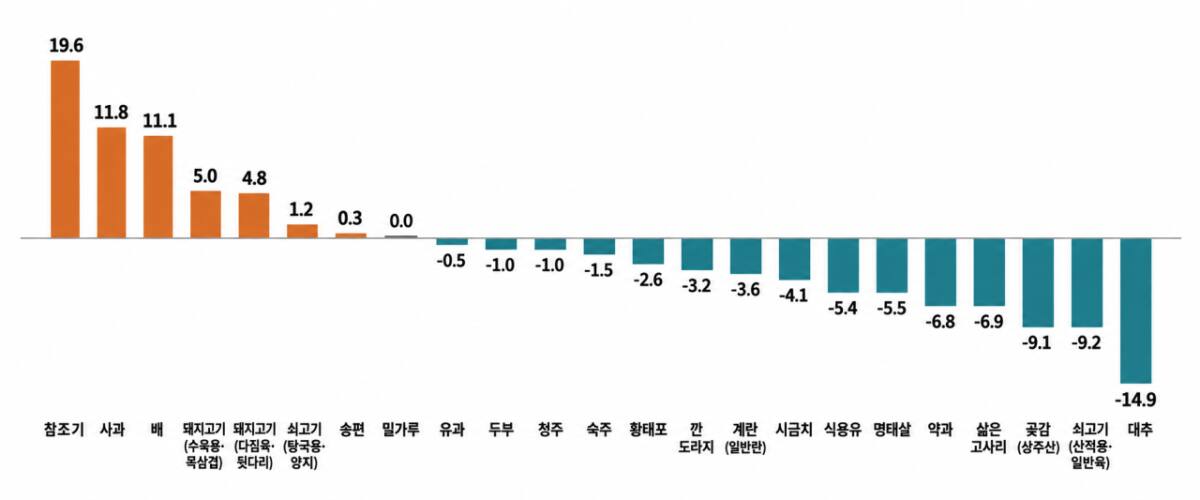
A Seoul price survey found the average four-person Chuseok rite table cost 309,380 won, down 1.2% in three weeks, while apples rose 11.8% and pears 11.1%. With the two traditional gift fruits pricing higher, imported mango and kiwi are taking a larger share of holiday gift boxes.
The cost of assembling a Chuseok ancestral rite table in Seoul has edged lower, but the two fruits that anchor both the table and the holiday gift trade have moved sharply the other way. The price monitoring centre of the Korea National Council of Consumer Organizations said on 22 September that a four-person table cost an average of 309,380 won, 1.2% less than three weeks earlier, according to kyeonggi.com.
Fruit diverges from a falling basket
The survey covered 24 Chuseok ritual items priced on 17 and 18 September at 90 outlets in Seoul, including traditional markets, department stores and large discount retailers. Fifteen of the items were cheaper than in the previous round. The declines were led by staples of the rite table, while fruit and one fish category pulled in the opposite direction.
- Apples: up 11.8%
- Pears: up 11.1%
- Small yellow croaker: up 19.6%, the largest increase of any item surveyed
- Jujube: down 14.9%
- Beef, skewer cuts and general cuts: down 9.2%
- Pollack fillet: down 5.5%
The composition matters for anyone reading the headline number. A 1.2% decline in the total basket masks double-digit inflation in the fruit line, because cheaper protein and dried goods offset it. For retailers, that means the fruit aisle carries the consumer's perception of holiday inflation even when the till receipt is slightly lighter than three weeks ago.
Gift boxes move toward mango and kiwi
The price move is reshaping the gift segment, where apple and pear boxes have been the default Chuseok present for decades. As the two fruits have become markedly more expensive, imported fruit has emerged as an alternative, with mango and kiwi appearing in gift assortments that were previously the preserve of domestic orchards.
The shift is also a change in what buyers screen for. Where Chuseok gift fruit was traditionally selected on size and variety — large, uniform apples and pears commanding a premium as a display item — purchasing has moved toward sweetness and price. That reframing favours imported lines, which compete on consistent sugar content and landed cost rather than on the cultivar prestige that underpins the domestic premium tier.
Implications for growers, importers and retailers
For Korean apple and pear growers, the holiday window is the single most important selling period of the year, and higher unit prices do not automatically translate into higher revenue if volumes shift to substitutes. The gift-box channel is where the domestic premium is realised; losing shelf space in it to imported fruit is a structural risk that outlasts any one season's price spike.
For importers and origin exporters supplying mango and kiwi into Korea, the opening is on the demand side rather than the tariff side: nothing in the survey points to a policy change, only to a price gap wide enough to move consumer choice. Whether the gain holds depends on where domestic apple and pear prices settle once harvest volumes are fully in the market.
The consumer council noted that shoppers can reduce holiday spending by using government discount programmes for agricultural and livestock products and seafood promotion events. Those subsidies cut the cash outlay at the till but do not change the underlying supply position for fruit, which is where the double-digit increases originated.