Klyuchevsky Ferroalloy Plant Invests Over 500 Million Rubles in New Production
Klyuchevsky Ferroalloy Plant will invest more than 500 million rubles in new workshops, equipment and quality-control capabilities. The Russian producer plans to supply 400 tonnes of aluminum powder by the end of 2026 and raise output to 2,000 tonnes in 2027.
KZF redirects investment toward Russian demand
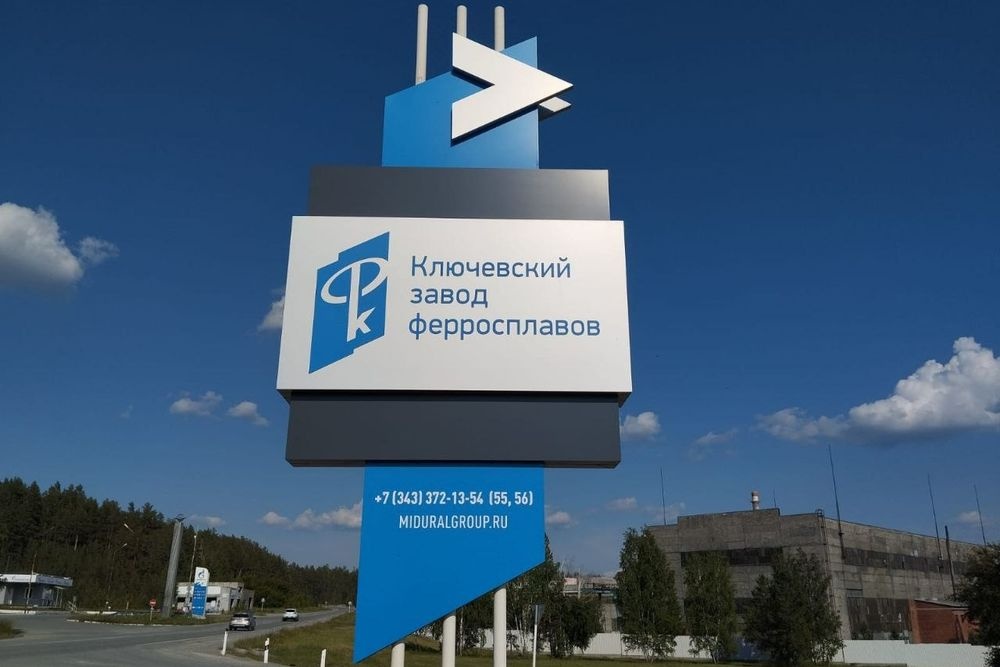
Klyuchevsky Ferroalloy Plant, or KZF, plans to invest more than 500 million rubles in rebuilding production and establishing new capacity for Russian industrial customers. According to Uralinform, the initial program covers new workshops, modern technological and laboratory equipment, quality control, employee training and industrial safety.
The project centers on aluminum powders, special alloys and master alloys. The plant expects the new facilities both to increase output and to broaden its product range. Management describes the current spending as the first stage of a longer investment program rather than a stand-alone modernization project.
The strategy represents a significant change in KZF's commercial orientation. As much as 70% of its production previously went to foreign markets, where customers selected the company for consistent product specifications and dependable supply. Changes in external conditions forced KZF to rebuild its sales network and identify applications in which its products could compete profitably in Russia.
Aluminum powder moves toward industrial-scale output
KZF has already mastered aluminum-powder production, established sales channels and signed supply contracts, Uralinform reported. The company plans to deliver 400 tonnes by the end of 2026 before raising annual output to 2,000 tonnes in 2027. The fivefold increase would take the activity beyond technology development and establish it as a full industrial business line.
The plant says Russian demand offers viable economics and room for further growth. Its immediate task is to scale production while preserving the quality standards that supported its former export position. The planned laboratory equipment and stronger quality-control system will therefore be important for converting initial contracts into stable domestic business.
KZF has not disclosed the allocation of the investment among individual workshops or equipment categories. It has also not identified customers, contract values or the end-use sectors covered by the aluminum-powder agreements. The available production targets nevertheless provide a clear timetable for the first phase of the expansion.
Workforce and energy supply underpin the program
KZF retained its workforce during the period of external restrictions and says the modernization will not be based on job cuts. New operations will instead require employee training, stronger engineering and production skills, additional specialists and updated safety practices. This approach is intended to ensure that personnel capabilities develop alongside the new equipment.
Deputy Executive Director for Production Andrey Borisov said the modernization forms part of KZF's long-term strategy and is supported by identifiable market demand. The company also emphasized the role of reliable electricity and gas suppliers, noting that stable energy supply is essential both for meeting existing obligations and for planning additional metallurgical capacity.
The government of Sverdlovsk Region is assisting the plant with infrastructure and organizational matters, according to Uralinform. KZF says the first investment of more than 500 million rubles will provide the base for further workshops, equipment and product development. Its execution will determine whether a producer once heavily dependent on exports can turn aluminum powder and specialized alloy products into a durable domestic growth platform.