Kilombero Sugar commissions K4 factory as Tanzania targets sugar self-sufficiency
Kilombero Sugar Company Limited has commissioned its K4 factory in Morogoro, supporting Tanzania’s effort to expand domestic sugar production. The project is intended to reduce reliance on imported sugar, although the available information does not specify the plant’s capacity or investment value.
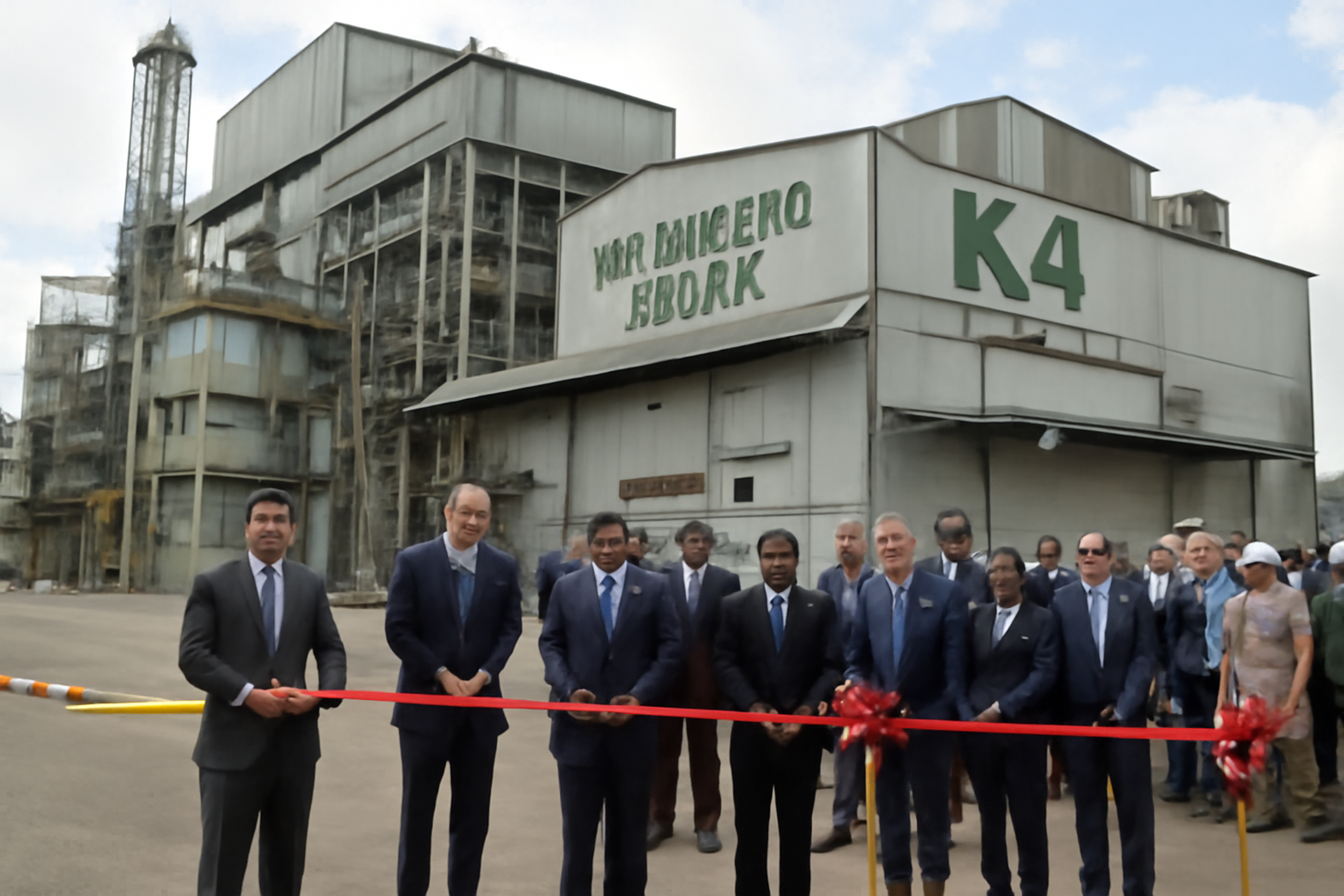
K4 factory begins operations in Morogoro
Kilombero Sugar Company Limited has commissioned its K4 factory in Tanzania’s Morogoro region, marking a new step in the country’s effort to increase domestic sugar production. The facility adds another production asset to Tanzania’s sugar industry as policymakers and producers work toward greater self-sufficiency.
The commissioning places Kilombero Sugar at the centre of that expansion drive. The material released about the event describes the factory as a milestone for national sugar supply, but does not provide its annual processing or production capacity. It also does not disclose the project’s investment value, construction timetable or expected output during its first operating period.
Those figures will be important for assessing how quickly K4 can affect the domestic balance between production and consumption. The practical impact will depend on factory utilisation, the availability of sugar cane and the ability to move inputs and finished sugar reliably through the local distribution system.
Domestic capacity supports import reduction
Tanzania’s objective is to meet more of its sugar requirements through local production and reduce its dependence on imports. A functioning new factory can contribute to that goal by converting more domestically supplied cane into refined marketable sugar. The scale of the contribution, however, cannot yet be quantified from the information provided.
For domestic producers, additional processing capacity can create more room to place cane with an industrial buyer, provided agricultural supply grows in line with factory demand. If cane availability fails to keep pace, processors may face competition for feedstock or operate below their intended capacity. The relationship between field output and factory throughput will therefore determine the project’s commercial performance.
For importers and traders, sustained growth in Tanzanian output could gradually reduce the volume needed from foreign suppliers. The timing and size of any change will depend on actual K4 production, domestic consumption and the performance of other local factories. Until operating data become available, the commissioning is best viewed as an increase in production potential rather than proof that import requirements have already fallen.
Logistics will shape the factory’s impact
K4’s contribution also depends on the physical movement of cane and sugar. Cane must reach the factory on time, while finished product must be delivered efficiently to buyers and consuming markets. Transport reliability, storage availability and coordination between growers, the processor and distributors can influence utilisation and the cost of supplying the domestic market.
The next indicators for industry participants will be disclosed capacity, actual production volumes and the factory’s operating rate. Buyers will also watch whether greater local availability changes procurement patterns, while foreign suppliers will need to assess whether Tanzania’s import demand begins to decline. The commissioning advances the country’s self-sufficiency programme, but its effect on supply, trade and prices will become measurable only after K4 establishes a consistent operating record.