Kenya sugar reforms lift cane deliveries 44% and farmer earnings to Sh33.5 billion
Kenyan farmers delivered 5.94 million tonnes of sugarcane in the seven months to July, up from 4.12 million tonnes in the comparable period. Estimated earnings rose 52.3% to Sh33.5 billion, while higher domestic sugar production helped lower retail prices.
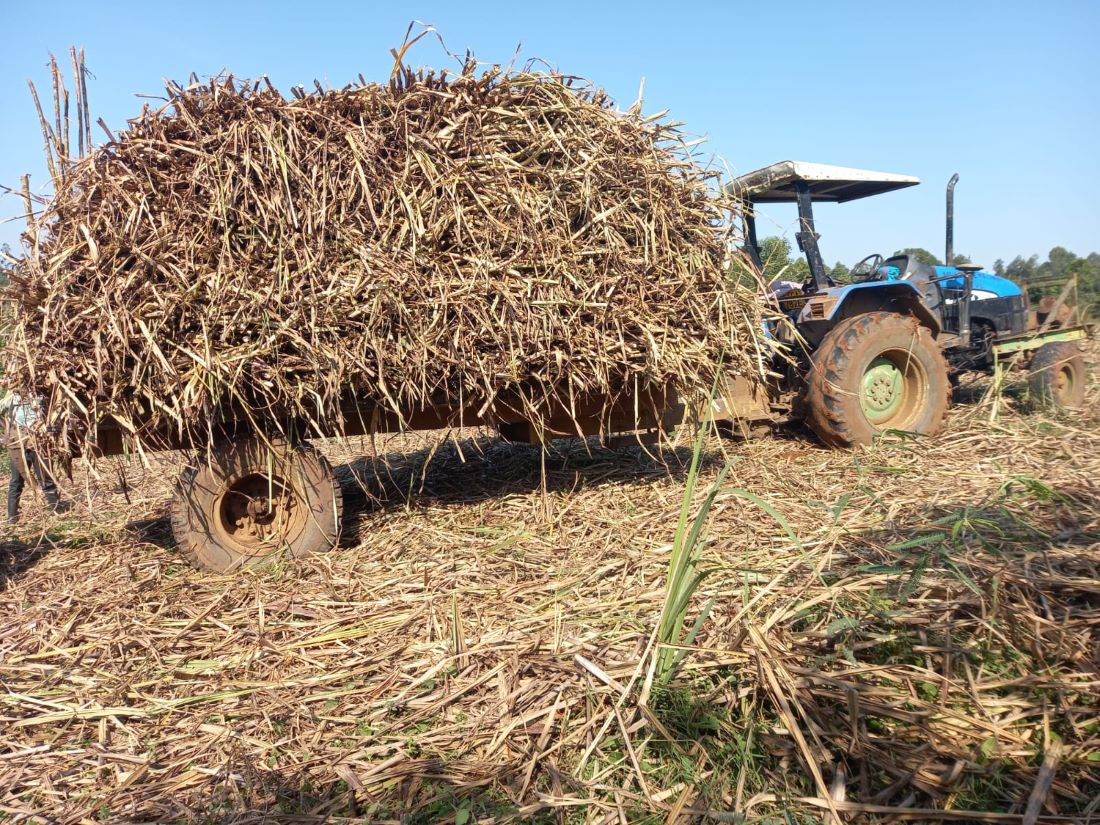
Cane supply and farmer revenue increase
Kenya’s sugar industry has recorded a sharp increase in cane deliveries, farmer earnings and domestic output following measures to lower input costs, revive mills and strengthen regulation. Business Today reported that farmers delivered 5.94 million tonnes of sugarcane in the seven months to July, compared with 4.12 million tonnes during the comparable period.
Estimated farmer earnings reached Sh33.5 billion, an increase of 52.3%. The average cane price rose to Sh5,643 per tonne from Sh5,343, allowing growers to benefit from both higher deliveries and a better price. Monthly cane deliveries reached 998,000 tonnes by June and then climbed to a record 1.01 million tonnes in July.
Lower fertiliser costs have also improved the production economics. In Teso South, farmer Violet Otwane said a 50-kilogramme bag was selling for about Sh2,500, down from as much as Sh7,000. Farmers nevertheless say harvesting, transport and other production costs must fall further if stronger gross revenue is to translate into higher net income.
Domestic sugar output rises as mills return
The larger cane supply lifted sugar production to 528,874 tonnes in the seven months to July, 44.5% above the 366,007 tonnes produced in the same period a year earlier. July output alone reached 91,022 tonnes, more than double the 42,255 tonnes recorded in July 2025. On a broader measure, national production increased from 472,773 tonnes in 2022 to 815,454 tonnes, while the area under cane expanded by 19.4% to 715,693 acres.
The recovery has coincided with efforts to restore state-owned processing capacity. Nzoia, Chemelil, Sony and Muhoroni sugar mills have been leased to private operators for 30 years. The leases are intended to bring capital into ageing facilities, improve operations, restore cane intake and raise capacity utilisation.
The Sugar Act, 2024, provides the institutional foundation for the reforms. It re-established the Kenya Sugar Board and introduced a new framework for regulating and developing the industry. For millers, the central challenge will be maintaining reliable cane supply while rehabilitating factories; for farmers, payment timing and the cost of delivering cane remain important tests of the programme.
Higher supply eases prices and supports expansion
Greater domestic output has begun to reach consumers. The average retail sugar price fell 3.1% to Sh167.02 per kilogramme from Sh172.36 over the comparable seven-month period. The decline indicates that stronger local processing can reduce pressure on the market, although the source did not provide corresponding import volumes.
Further supply is planned through a 50,000-acre sugarcane estate at the Bura Irrigation Scheme in Tana River. The project is expected to produce 1.2 million tonnes of cane and 120,000 tonnes of sugar annually, alongside about 13 million litres of ethanol and 25 megawatts of bagasse-based electricity. It is projected to create 3,000 direct jobs and provide a market for more than 10,000 smallholders. Delivering those targets will require coordinated field development, transport, milling and by-product infrastructure as Kenya seeks to sustain the production recovery.