Kenya’s Mombasa tea auction moves 46.52 million kg worth Sh13 billion in June
Kenya’s Mombasa Tea Auction traded 46.52 million kg of tea in June, generating Sh13 billion for farmers. The Tea Board of Kenya cited the result while defending the industry’s tea levy.
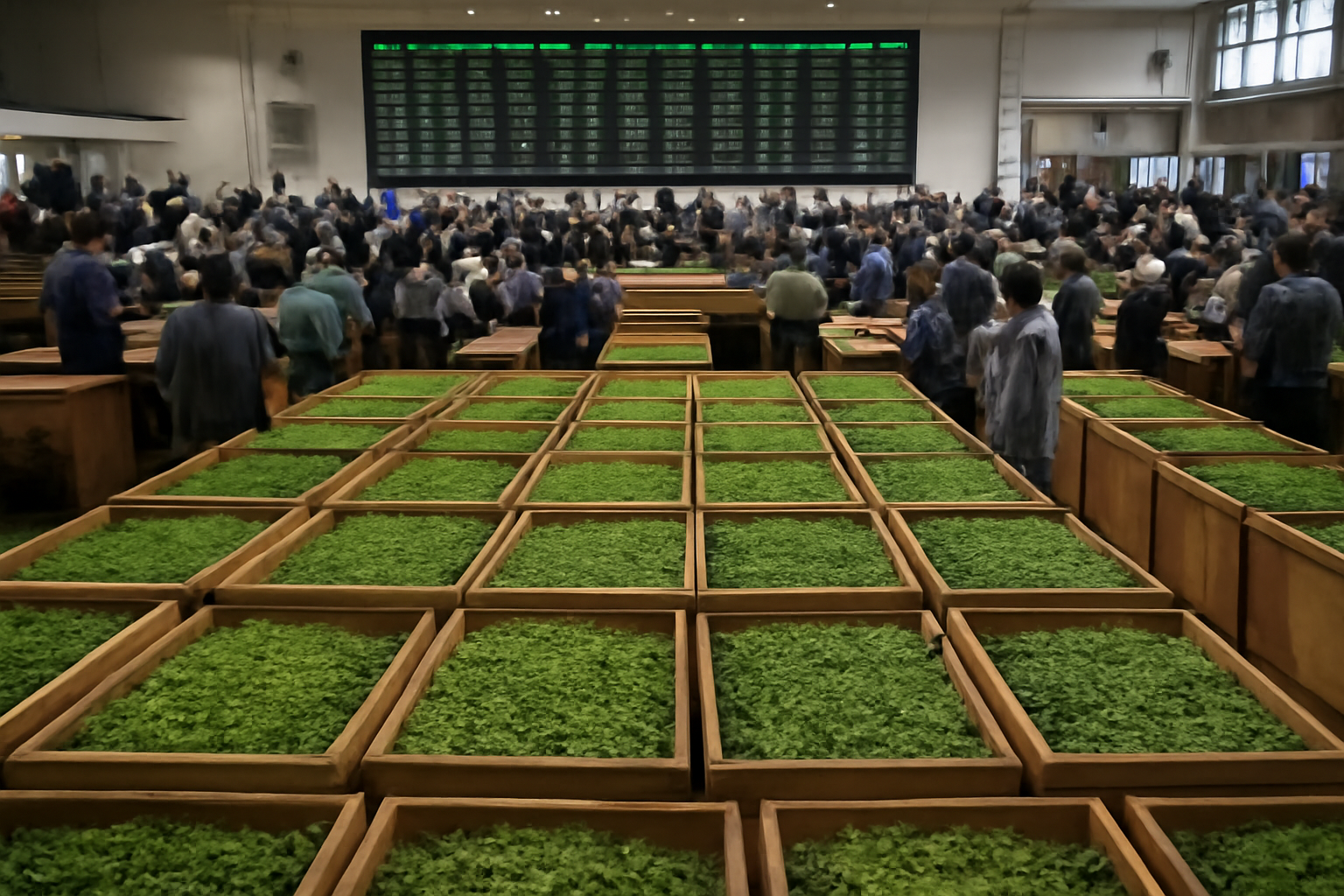
Mombasa auction generates Sh13 billion
Tea farmers earned Sh13 billion from sales at the Mombasa Tea Auction in June, according to a report released by the Tea Board of Kenya. The auction traded 46.52 million kg of tea during the month, providing a clear measure of the volume passing through one of Kenya’s principal tea marketing channels.
The figures imply an average auction value of about Sh279 per kg, calculated from the reported value and volume. That is a broad benchmark rather than a farm-gate price: the Tea Board’s figures describe total auction sales and do not provide a breakdown by tea grade, factory, producer, buyer or destination market.
For exporters and international buyers, the June total indicates the amount of Kenyan tea cleared through the auction and the value attached to those transactions. For farmers, the Sh13 billion figure represents the reported earnings generated by those sales, although the available report does not specify the timing or distribution of payments among individual growers.
Tea levy remains under scrutiny
The Tea Board used the June auction result while defending the tea levy amid debate over taxation of the industry. Its argument places farmer earnings alongside the charges imposed on the tea sector, linking the levy discussion to the commercial value generated through the Mombasa market.
The available information does not state the levy rate, the amount collected or how the proceeds are allocated. It also does not quantify the levy’s effect on production costs, exporter margins or prices received by farmers. Those missing details limit any direct comparison between the Sh13 billion in auction sales and the financial burden created by the charge.
Even so, the debate matters across the supply chain. A levy can affect the cost of moving tea from factories to buyers, while farmers ultimately depend on the net proceeds remaining after marketing and other industry costs. Importers also monitor such charges because changes in the cost base can influence sellers’ pricing decisions and Kenya’s competitiveness in destination markets.
Trade implications depend on price and destination data
The June figures establish two important reference points for market participants: 46.52 million kg in traded volume and Sh13 billion in value. They do not show whether either measure increased or decreased from May or from June of the previous year, so the report cannot by itself establish a market trend.
No destination-country data were provided, and the figures do not distinguish between tea purchased for immediate export and tea entering other commercial channels. Importers therefore cannot use the total to assess supply available to a particular market. Exporters likewise need information on grades, buyer demand and destination prices before judging whether the month delivered stronger trading conditions.
The Mombasa result nevertheless gives farmers, buyers and policymakers a common basis for the levy debate. The central question is not only how much tea was sold, but how the Sh13 billion generated by 46.52 million kg is divided across the chain. More detailed disclosure on deductions, levy collections and farmer payments would show how auction turnover translates into producer income and export competitiveness.