Kenya and Kazakhstan advance Almaty tea hub and wheat supply talks
Kenyan exporters and Kazakh investors are moving forward with plans for a tea and coffee hub in Almaty. The countries are also discussing Kazakh wheat and fertilizer supplies to Kenya as they seek a wider East Africa–Central Asia trade corridor.
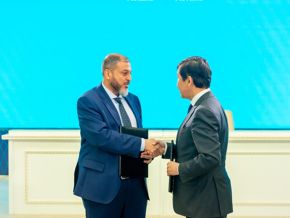
Commercial follow-through after Astana agreements
Kenya and Kazakhstan are advancing agricultural trade initiatives agreed during Kenyan President William Ruto’s state visit to Astana in May, with plans spanning an export hub in Almaty and potential wheat and fertilizer supplies to Kenya. The broader objective is to establish a commercial corridor between East Africa and Central Asia.
The Kenya National Chamber of Commerce and Industry, or KNCCI, said Kenyan exporters and Kazakh investors held follow-up discussions on July 14, 2026. They agreed to establish a Kenyan tea and coffee hub in Almaty that would serve the wider Eurasian market. Kenya is separately negotiating imports of wheat and fertilizer from Kazakhstan to support domestic food security and agricultural production.
Almaty proposed as a gateway to Eurasia
The initiatives follow the Kazakhstan-Kenya Business Forum held on May 20. Cooperation agreements signed at the forum involved investment promotion agencies, export institutions and business organizations, creating a framework for investment, trade and private-sector partnerships.
According to Ecofin Agency, Kazakhstan has proposed positioning Almaty as a regional distribution center for Kenyan tea, coffee, flowers, fresh produce and other horticultural goods. The platform could give Kenyan suppliers a permanent commercial base from which to reach buyers in Central Asia and other Eurasian markets. If completed, it would be Kenya’s first permanent commercial platform in Central Asia.
For Kenyan agricultural exporters, the project offers a route to diversify beyond established markets in Europe, the Middle East and Asia. It could also strengthen Kazakhstan’s position as an entry and distribution point for African products across Eurasia. Bilateral trade is currently limited and remains concentrated largely in Kenyan tea exports, leaving considerable scope to add coffee, horticultural products and processed goods.
Wheat and fertilizer enter the negotiations
Kazakhstan is also being considered as an alternative source of wheat and fertilizer for Kenya. As a major global wheat exporter, the Central Asian country could provide Kenya with another supply option and help reduce procurement risks. Fertilizer discussions are relevant to Kenya’s agricultural producers because availability and sourcing affect planting decisions and domestic food output.
No volumes, prices, delivery schedules or logistics routes for the proposed imports have been disclosed. The commercial viability of the corridor will therefore depend on freight costs, handling arrangements and the ability of participants to build reliable links between two regions that currently conduct limited trade.
Investment groups assess opportunities in Kenya
KNCCI said two Kazakh investment groups with combined portfolios valued at about $88 billion are exploring opportunities in Kenya. A Kazakh business delegation is expected to visit the country in October, providing the next potential stage for discussions with companies and public institutions.
The relationship extends beyond agricultural commodities. The two governments want cooperation to cover investment, logistics, agro-processing, manufacturing and digital infrastructure. Kazakhstan has increased its engagement since opening an embassy in Nairobi in 2025, viewing Kenya as a possible gateway to the wider East African market.
The planned hub and import negotiations remain at the implementation and discussion stages. Their significance will depend on whether the May agreements produce operating facilities, contracted cargoes and competitive transport arrangements. For exporters, millers, farmers and traders, those details will determine whether the proposed corridor becomes a regular trade channel rather than a diplomatic framework.