Kenya installs 12 bulk milk coolers for 18,500 dairy farmers in Murang’a
Kenya’s national government has installed 12 bulk milk coolers for more than 18,500 dairy farmers in Murang’a County. The equipment is intended to reduce post-harvest losses, improve milk quality and help farmers secure better market access and earnings.
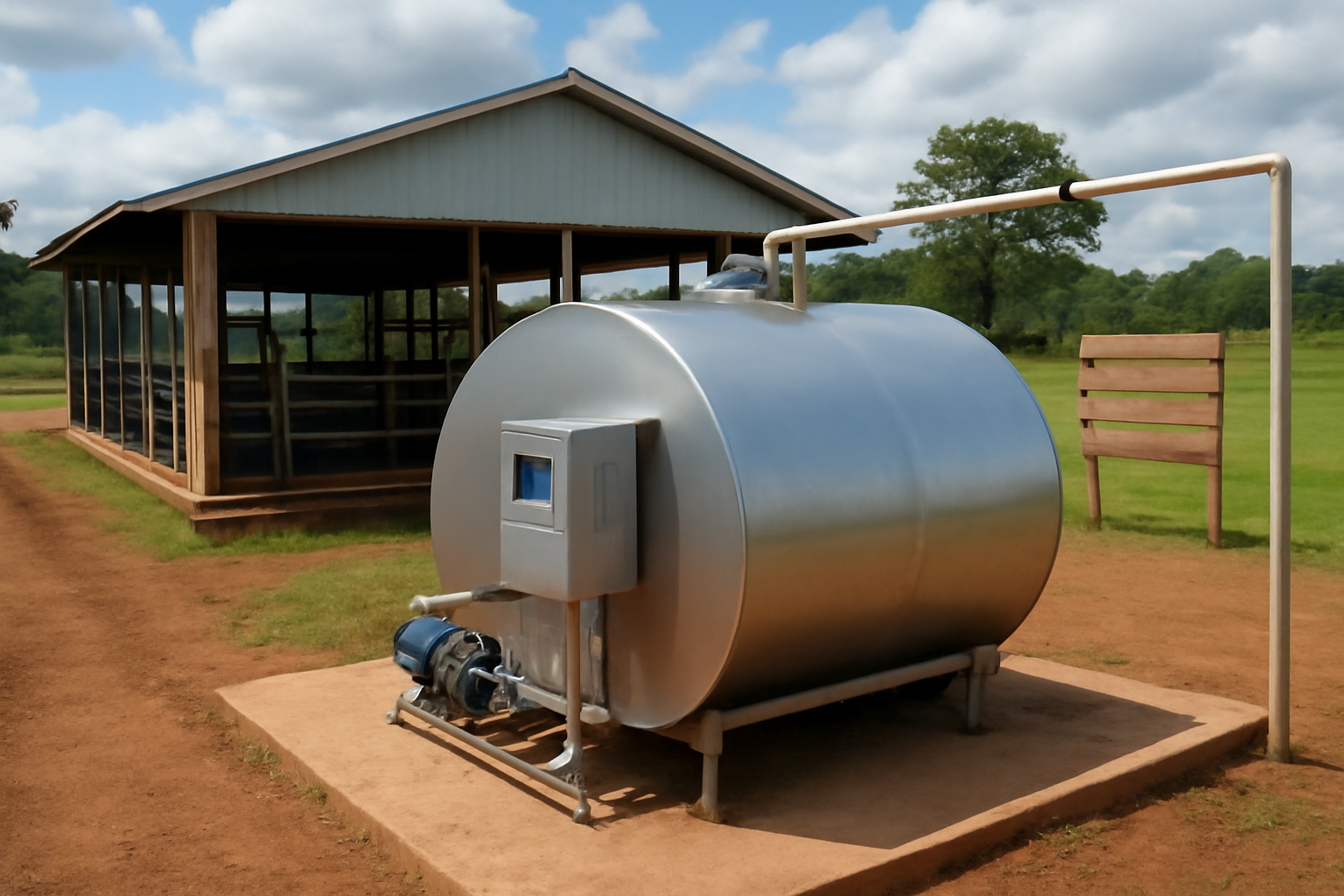
Cooling equipment targets post-harvest losses
Kenya’s national government has installed 12 bulk milk coolers for more than 18,500 dairy farmers in Murang’a County, expanding local capacity to preserve raw milk after collection. The equipment is intended to reduce post-harvest losses and improve farmers’ earnings.
Cooling is a critical stage between milking and processing. Raw milk is perishable, and delays before refrigeration can reduce quality or leave part of a farmer’s production unsuitable for sale. Shared bulk coolers allow milk from multiple farms to be collected and chilled before it is transported to processors or other buyers.
The available information does not specify the storage capacity of the 12 units, their installation sites within Murang’a or the organizations responsible for operating them. It also does not disclose the project’s cost, commissioning date or expected reduction in milk losses. These details will determine how much additional volume the equipment can preserve and how widely the benefits are distributed among the 18,500 farmers.
Milk quality could strengthen access to buyers
For processors and traders, more reliable cooling can create a steadier supply of milk that meets purchasing requirements. Better temperature control may reduce rejected deliveries and quality variations, making collection from small farms easier to organize. The impact will depend on whether farmers can reach the coolers quickly and whether milk collection schedules are aligned with the installed capacity.
The equipment could also improve farmers’ negotiating position if it gives them more time to deliver milk without rapid deterioration. Immediate sales caused by a lack of refrigeration can limit the choice of buyer. A functioning cold chain can widen the marketing window, although the source material does not identify participating processors, cooperatives or purchasing arrangements.
The number of beneficiaries is substantial relative to the number of units: more than 18,500 farmers are covered by 12 coolers. That makes shared access, maintenance and operating discipline central to the project. Reliable electricity, cleaning procedures and regular collection will be necessary to prevent the coolers themselves from becoming bottlenecks.
Operational performance will determine farmer earnings
The installation addresses infrastructure after production rather than milk output itself. Its immediate value lies in preserving a larger share of milk already produced and improving the condition in which it reaches the market. Higher earnings are therefore likely to depend on lower spoilage, fewer quality-related rejections and access to buyers willing to pay for properly handled milk.
For Murang’a’s dairy sector, the next indicators will be utilization rates, volumes chilled, reductions in rejected or spoiled milk and prices received by participating farmers. The government’s deployment creates the physical basis for reducing losses, but the commercial result will depend on day-to-day management and links between farmers, collection points and processors.