Kenya’s monthly fruit export earnings rise 19.8% to KSh5.70 billion
Kenya earned KSh5.70 billion from fruit exports in June 2026, up 19.8% year on year and the second-highest monthly result on record. With volumes down 1.0%, the improvement came primarily from an approximately 21% rise in export value per tonne.
Unit values lift monthly receipts
Kenya’s fruit export earnings reached KSh5.70 billion in June 2026, an increase of 19.8% from June 2025, according to Business Today. It was the country’s second-highest monthly result on record and only the third time that fruit export receipts had exceeded KSh5 billion in a month.
The increase did not come from a comparable expansion in shipments. Export volume stood at 25,742 tonnes, down 1.0% year on year and therefore broadly unchanged. The average value generated per exported tonne rose by approximately 21%, indicating that pricing, the mix of products shipped and access to higher-value markets were more important than additional tonnage in June.
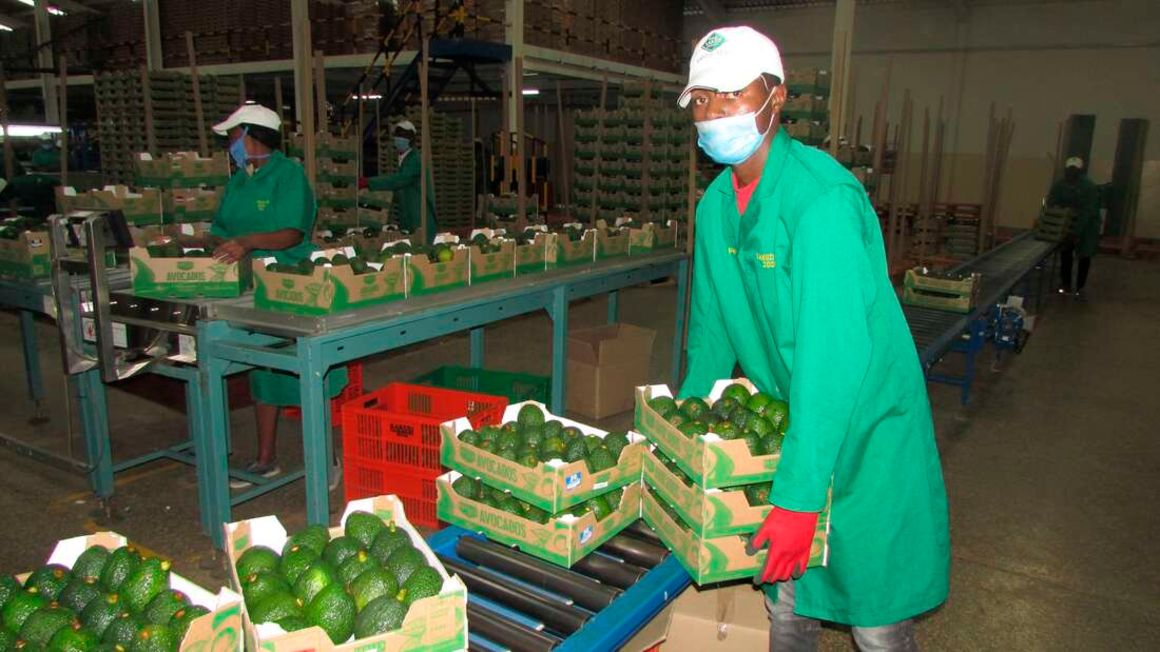
The result matters for growers, packers and exporters because it demonstrates that revenue can improve even when physical supply is stable. It also raises the commercial importance of fruit quality, harvest timing and compliance with export standards, particularly during the main avocado shipping season.
Full-year figures remain below the previous period
The strong June performance did not fully reverse the decline recorded across the 2025/26 financial year. Kenya exported 231,727 tonnes of fruit worth KSh40.56 billion during the year, compared with 251,594 tonnes valued at KSh43.30 billion in the comparison period reported by Business Today. That represented a 7.9% reduction in volume and a 6.3% decline in earnings.
Momentum improved toward the end of the financial year. Export earnings between April and June reached KSh14.61 billion despite slightly lower tonnage. The divergence between value and volume suggests that exporters secured better returns from the fruit shipped during the closing quarter, although the source did not provide individual product prices.
For companies exposed to Kenya’s horticulture sector, the annual and monthly figures present different signals. Total shipments and receipts remained lower for the year, but June showed that stronger unit values can partly cushion the effect of weaker volumes. Whether that improvement persists will depend on product quality, market access and the composition of future consignments.
Avocados anchor Kenya’s fruit trade
Avocados remain Kenya’s largest fruit export earner, followed by pineapples and mangoes. Business Today describes Kenya as Africa’s leading and the world’s fifth-largest avocado exporter. Avocado production reached a record 694,000 tonnes in 2025 and was projected to rise 4.8% to 727,000 tonnes in 2026.
Fresh avocado exports totaled 121,000 tonnes in 2025, down 23%. The source linked the decline to disruption in the Red Sea and a suspension imposed by the Agriculture and Food Authority on shipments of immature fruit. Fresh shipments were expected to reach between 130,000 and 140,000 tonnes in 2026, with the source citing growth of 7.4%.
The Netherlands accounted for 24% of Kenya’s avocado exports, followed by the United Arab Emirates at 19% and Saudi Arabia at 7%. Other destinations included Spain, France, the United Kingdom, Germany, Italy and China. With the principal avocado season running from March through August, the June earnings increase coincided with the central part of the export calendar and underlined the crop’s influence on monthly fruit receipts.