Kenya backs specialty tea expansion with Ksh 360 million project and factory grant
Kenya is investing in specialty tea processing to improve returns for smallholders and reduce reliance on volatile black CTC tea markets. A Ksh 360 million green tea project is moving forward with Japanese support, while Thumaita Tea Factory has received Ksh 28.7 million for modernization.
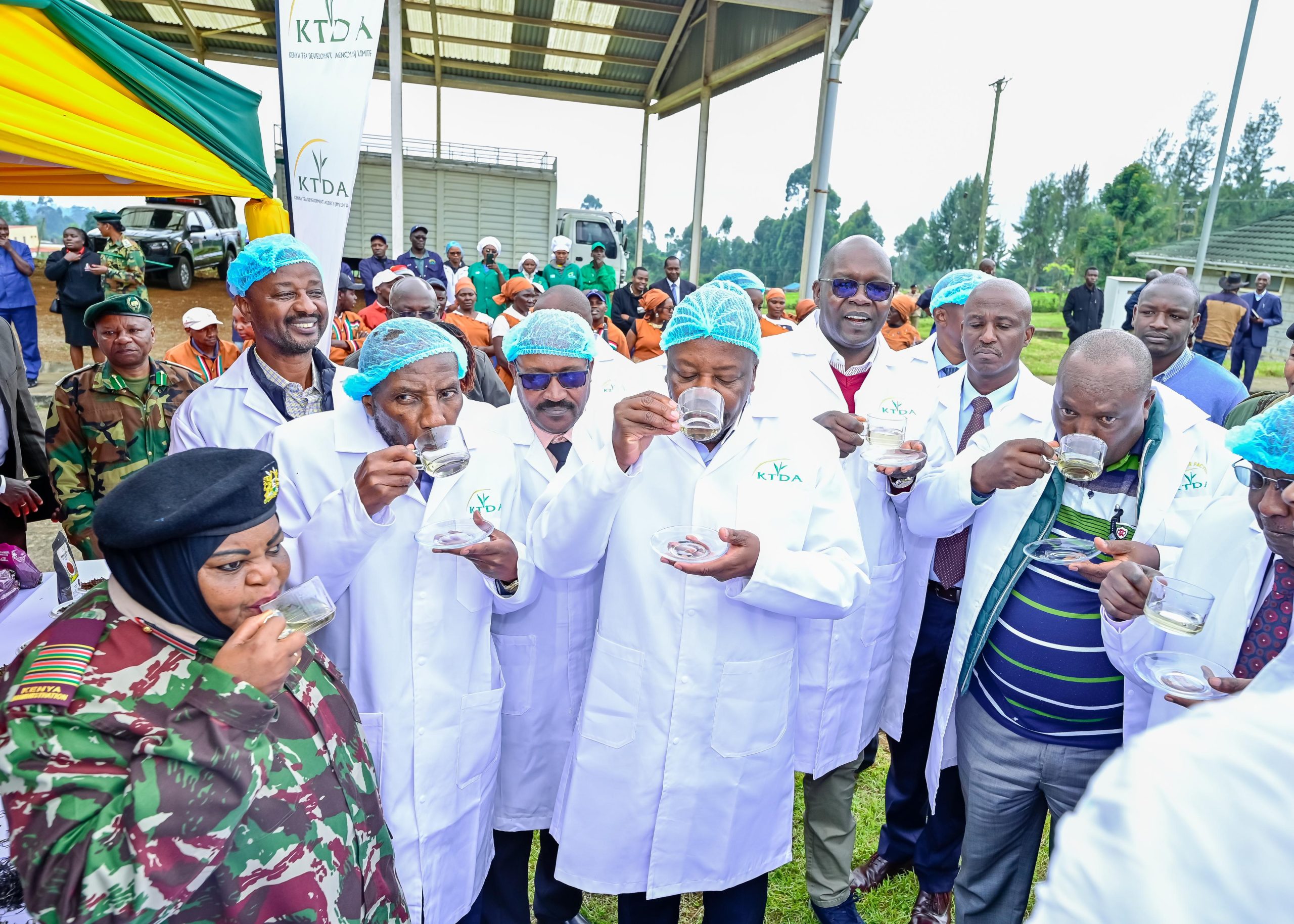
Government targets higher-value tea production
Kenya is stepping up public support for tea processing as the industry seeks higher returns from green, purple, orthodox and other specialty teas. Agriculture and Livestock Development Cabinet Secretary Mutahi Kagwe disbursed a Ksh 28.7 million government grant to modernize Thumaita Tea Factory in Kirinyaga, according to Kenya Broadcasting Corporation. The funding is intended to upgrade processing capacity and strengthen the factory’s ability to produce higher-value tea alongside conventional black crush-tear-curl, or CTC, tea.
Kirinyaga Deputy Governor David Githanda said upgraded machinery and dedicated specialty processing lines could reduce processing costs, improve leaf extraction ratios and increase dividend payments to farmers. He argued that diversification would help growers manage fluctuations in traditional tea returns caused by international supply conditions and currency movements. Green, purple and other specialty teas can command higher prices, but their production requires tighter control of leaf quality and factory operations.
Ksh 360 million green tea facility moves forward
The wider investment program includes a Ksh 360 million steamed green tea factory project supported by the Kenya Tea Development Authority and the Japan International Cooperation Agency. Equipment for the facility was handed over at Kangaita Tea Factory. KBC reported that construction began in 2019 but later stalled; Japanese government support is now expected to allow the project to proceed toward completion.
The facility is planned as a regional centre of excellence for training in green and specialty tea processing. Government officials expect it to help smallholders participate in international demand for premium Kenyan teas. Kangaita already has experience in the segment: factory chairman David Githinji said it became Kenya’s first factory to begin commercial production of orthodox tea in 2002. The new equipment is expected to improve efficiency, lower production costs and raise product quality.
Quality standards and levy allocation
Officials stressed that processing investment alone will not secure premium prices. Farmers were urged to follow stricter harvesting practices, including plucking two leaves and a bud, so that suitable green leaf reaches specialty production lines. Consistent crop husbandry and careful handling will be central to whether factories can meet the quality requirements of premium markets and convert new capacity into stronger farmer earnings.
The government also clarified the allocation of a newly introduced 1% tea levy. Tea Board of Kenya Chief Executive Officer Willy Mutai said buyers, rather than farmers, will pay the levy. Half of the proceeds will go directly to farmers, while 20% will support research and development. County governments will receive 15% for rural tea roads, and the Tea Board will retain 15% for regulation. The measures are particularly significant for Kirinyaga, where tea is the second-largest cash crop. More than 53,000 smallholders produced 103.5 million kilograms of green leaf worth over Ksh 7.6 billion in the 2024/2025 financial year, according to KBC. The commercial test will be whether modernized factories can consistently turn that production base into teas that earn a sustainable premium over standard CTC output.