Kenya audits informal cross-border sugar imports over market distortion
Kenya is auditing informal cross-border sugar imports amid concerns about distorted prices and lost government revenue. The review could lead to tighter enforcement, but no measures, trade volumes or affected border routes have been disclosed.
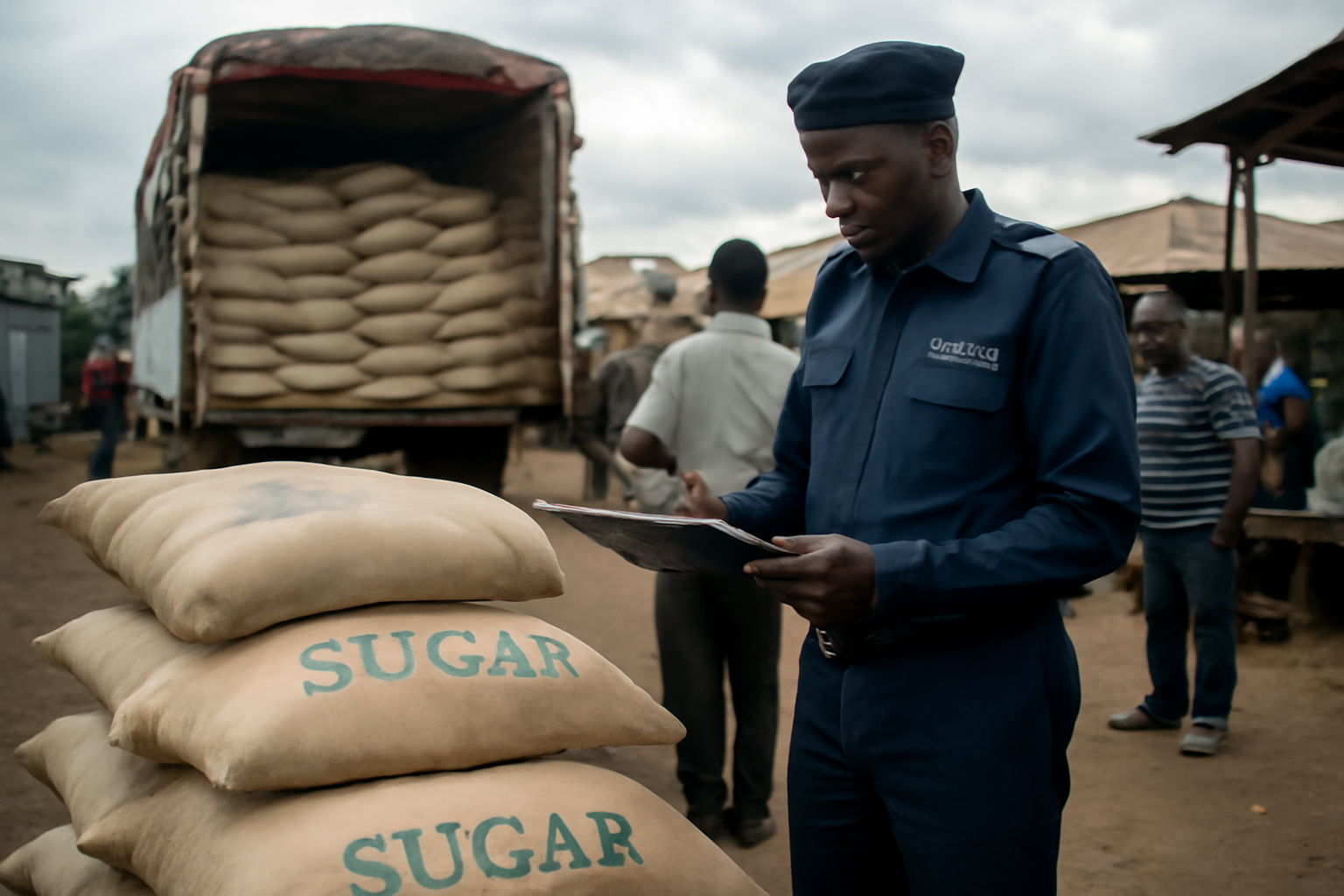
Audit targets unrecorded sugar trade
Kenya is auditing informal cross-border sugar imports amid concerns that unrecorded trade is distorting the domestic market and reducing government revenue. Business Daily reported the review after seeing a brief describing severe market distortions affecting both sugar pricing and revenue collection.
The available information does not identify the volumes under review, the value of the suspected revenue losses or the border routes involved. It also does not name the countries from which the sugar entered Kenya. The audit therefore marks the start of an examination rather than a confirmed change in import policy or border controls.
Pricing and revenue under scrutiny
Informal imports can influence the market without appearing fully in official trade and tax records. For Kenya’s sugar industry, the central issue is whether such supplies are entering outside established procedures and affecting the prices received by compliant producers, processors and traders. For the government, the review concerns revenue that may not have been collected when sugar crossed the border.
The audit may help authorities compare recorded imports with sugar circulating in the domestic market and assess the scale of any discrepancy. However, the material released so far provides no findings, company names or evidence of specific violations. It also does not specify whether the review covers small-scale border movements, larger commercial consignments or both.
Enforcement implications for the regional market
If the audit identifies significant informal flows, Kenya could tighten enforcement on regional sugar trade. Possible action would depend on the findings; no new inspection regime, tariff measure, quota or penalty has been announced. Until the review is completed, businesses cannot determine whether the outcome will affect import availability, transaction costs or domestic prices.
Producers and processors will be watching whether stronger controls reduce unrecorded competition in the Kenyan market. Licensed importers and distributors will need clarity on documentation and border procedures if enforcement changes. Traders operating across the region also face uncertainty because the source markets and routes under examination have not been disclosed.
The distinction between an audit and an import restriction is important. The reported action is an investigation into informal trade and its market effects, not a declared halt to sugar imports. Its commercial impact will depend on whether authorities quantify the unrecorded flows, identify revenue gaps and follow the findings with enforceable measures.
Market awaits detailed findings
Further disclosure will be needed to judge the scale of the issue. Relevant details would include the quantity of sugar involved, the period covered by the audit, the border points examined and the effect on government collections. Without those figures, the severity of the distortion cannot be independently measured.
For now, the review signals greater official attention to how sugar enters Kenya and how informal supplies affect the domestic market. The next material development will be the publication of audit findings or the announcement of concrete enforcement action. Either could influence producers, processors, importers and traders, but the direction and size of that effect remain undetermined.