Kazakhstan’s vitamin imports rise 41.1% as local output supplies just 1.1%
Kazakhstan imported 242.4 tonnes of vitamins, provitamins and derivatives in the first half of 2026, up 41.1% year on year. Domestic production reached only 2.7 tonnes, leaving the market almost entirely dependent on foreign supply as pharmacy prices increased.
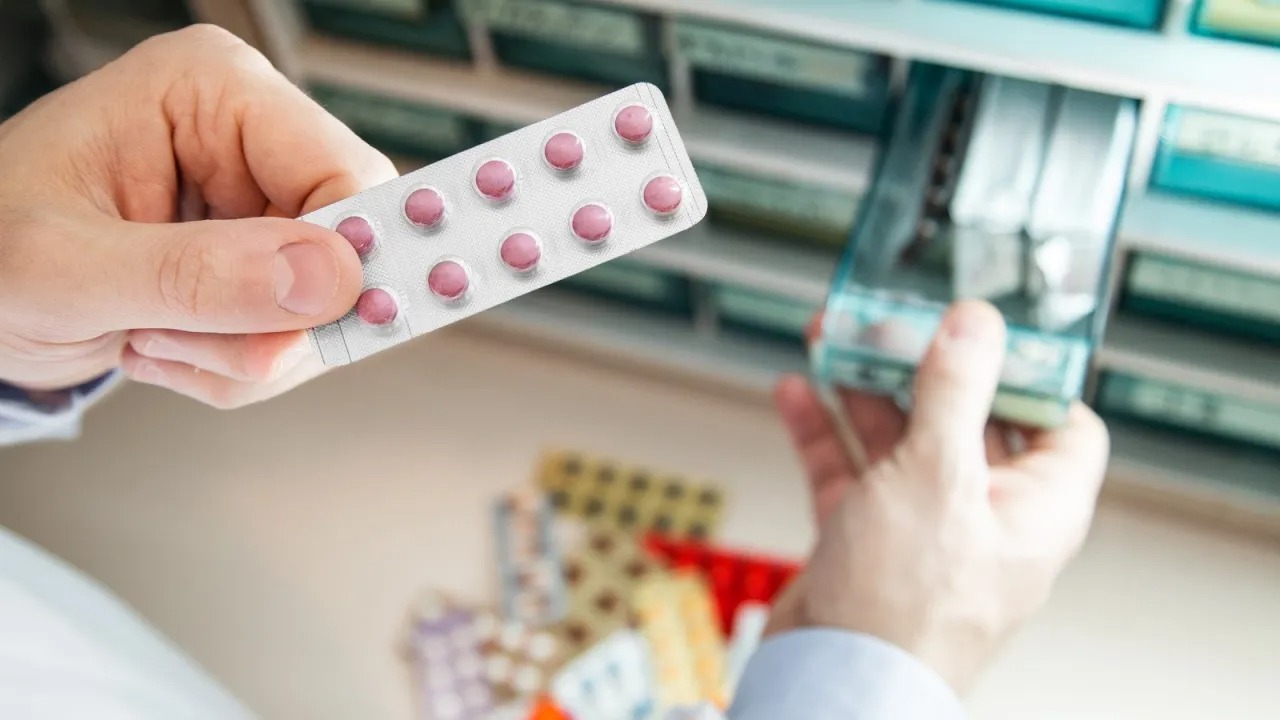
Foreign supply dominates available resources
Kazakhstan’s imports of vitamins, provitamins and their derivatives increased by 41.1% year on year to 242.4 tonnes in January–June 2026, according to DKNews.kz. Total resources in this statistical category reached 245.1 tonnes, an increase of 41.3% from the first half of 2025.
Domestic production rose by 50%, but from a very low base, reaching just 2.7 tonnes. Local plants therefore supplied only 1.1% of available resources. The figures show that the strong percentage increase in output did little to alter the market’s near-total dependence on foreign producers.
Domestic sales rise amid volatile monthly demand
Sales within Kazakhstan reached 235.8 tonnes during the first six months, up 37.5% year on year. Monthly volumes ranged from 26 tonnes to 54.9 tonnes, with the highest readings recorded in March and May. However, the increase in available supply and domestic sales does not necessarily indicate an equivalent rise in final consumption, as trading companies may have accumulated inventories.
Recent annual data also point to a volatile market. Sales increased from 190.9 tonnes in 2021 to 303.3 tonnes in 2022, before falling by 40.1% in 2024. They then more than doubled from 197.1 tonnes to 446.1 tonnes in 2025. Seasonal procurement can produce sharp swings: September 2025 sales reached 42.5 tonnes, nearly 11 times the year-earlier level, while November volume rose 3.6-fold.
Pharmacies sell fewer packages at higher prices
The broader pharmacy market is moving differently from the physical flow of vitamin ingredients and derivatives. PharmXplorer data cited by DKNews.kz show that combined pharmacy sales of medicines and dietary supplements declined by 16.2% in volume during the first half of 2026, to about 213 million packages. Dietary supplement sales fell from roughly 33 million packages a year earlier to 30 million.
Despite that decline, dietary supplements increased their share of pharmacy unit sales from 11% in the first half of 2024 to 14% in the same period of 2026. In value terms, total retail sales of medicines and supplements rose by 1.2%, from approximately 404 billion tenge to 409 billion tenge. Medicines accounted for 359 billion tenge and 184 million packages, representing 88% of pharmacy turnover by value.
Prices and import exposure shape the autumn outlook
Proxima Research International attributes the gap between weaker package sales and higher spending mainly to prices and changes in the consumption mix. The weighted average price of a dietary supplement package increased by 15.3% in the first half, while medicine prices rose by 21.6%. The research also found stronger product renewal in supplements, alongside greater price sensitivity and declining physical consumption.
Foreign medicines accounted for 84–86% of pharmacy sales by value and 66–68% by package volume in the first half of 2026, according to Proxima Research International. Import exposure is even greater in the vitamin, provitamin and derivative category, where domestic output covered only 1.1% of resources. If seasonal purchases accelerate again in the autumn, importers will have to provide almost all additional volume, making procurement timing, inventories and foreign supply conditions central to availability and pricing.