Kazakhstan Becomes Top Buyer of Russian Black Caviar as Local Farms Meet 30% of Demand
Kazakhstan took 27% of Russian black-caviar exports in 2025, becoming the largest destination for the product. Its 35 sturgeon farms meet only about 30% of the domestic caviar market, while new capacity remains at an early stage.
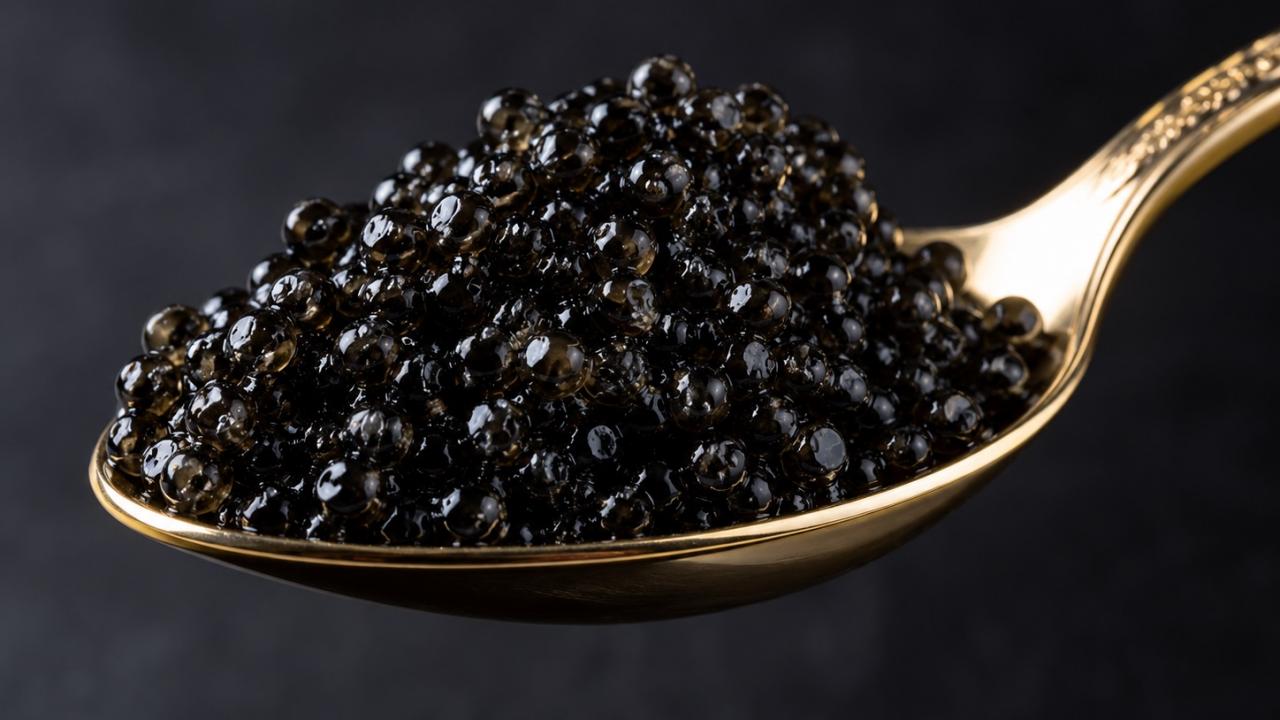
Kazakhstan takes the lead among Russian caviar buyers
Kazakhstan became the largest buyer of Russian black caviar in 2025, despite its access to the Caspian Sea and the presence of wild sturgeon spawning grounds. According to Russia's Federal Center Agroexport, Kazakhstan accounted for 27% of Russian sturgeon-caviar exports, ahead of Belarus at 15% and Armenia at 8%. Russia's total overseas sales of the product were worth slightly more than $3.8 million.
The pattern extends beyond black caviar. Kazakhstan also received 25% of Russia's red-caviar exports, making it the leading destination in that category. National Business Kazakhstan said the country exports farmed sturgeon products to Russia while importing substantially larger quantities of finished caviar.
CITES data cited by the publications show that Kazakhstan authorized annual exports to Russia of about 650 kilograms of black caviar and 12 tonnes of live sturgeon in 2022–2023. The trade illustrates the gap between the country's ability to raise fish and its capacity to supply processed, branded products to its own market.
Domestic farms cover only part of the market
Kazakhstan has 35 registered sturgeon farms, concentrated mainly in the Atyrau and Mangystau regions near the Ural River, Caspian Sea and supporting infrastructure. Tebiz Group estimates that domestic producers supply about 30% of Kazakhstan's overall caviar market, although that estimate includes both sturgeon and salmon roe.
The largest farms produce only 1–3 tonnes of black caviar annually, with most output sold through domestic retailers and restaurants. Caspian Royal Fish, launched in 2014, was designed to produce one tonne a year. The project cost 1.16 billion tenge, including 375 million tenge provided by KazAgroFinance, but National Business Kazakhstan reported debts, tax arrears and restrictions on company accounts and property.
Other operators combine aquaculture with processing or government contracts. Karaganda-Osetr shifted its main activity toward processing after a change of ownership, while its annual tax payments rose from 3–4 million tenge before 2019 to 38 million tenge in 2022. OstFish has signed 17 contracts worth 773 million tenge since 2016 to stock rivers with juvenile Siberian sturgeon.
Investment plans promise capacity, but delivery remains uncertain
The largest proposed expansion is Red Pearl in Kyzylözen, Mangystau region. The foundation for the sturgeon and black-caviar complex was laid on May 1, 2026. The project, backed by Swiss Choice Holding SA and Industrial Fish Plant, is valued at 5.6–5.7 billion tenge and has announced potential output of 20–100 tonnes of caviar annually.
That target would be far above the current production of Kazakhstan's established farms, but the project remains at the permitting and design-approval stage. National Business Kazakhstan reported that Red Pearl had only one employee and did not yet possess CITES permits or caviar labels. The project has been under discussion since at least 2021, making its construction timetable and eventual scale important uncertainties for importers and domestic competitors.
Government support is expanding while Kazakhstan continues to depend on Russian supply. Aquaculture subsidies reached 5.3 billion tenge in 2026, 11.5 times the 2021 level, and the state covers up to 50% of the cost of purchasing and maintaining broodstock. Since 2024, fish-farming and processing projects have received 8.7 billion tenge in budget loans at 2.5%, alongside financing at 5–6% for investment and working capital. Kazakhstan plans 41 fisheries projects worth a combined 60 billion tenge through 2028, but current farm output and the early stage of major new capacity indicate that imports will remain central in the near term.