Kazakhstan Rejects 113.6 Tonnes of Lettuce, Barley and Tomatoes at Border
Kazakhstan blocked four types of agricultural consignments from Iran and Russia after inspectors detected quarantine pests, a weed and a tomato virus. The rejected cargo included 10.6 tonnes of iceberg lettuce, 100 tonnes of food barley and 3 tonnes of tomatoes.
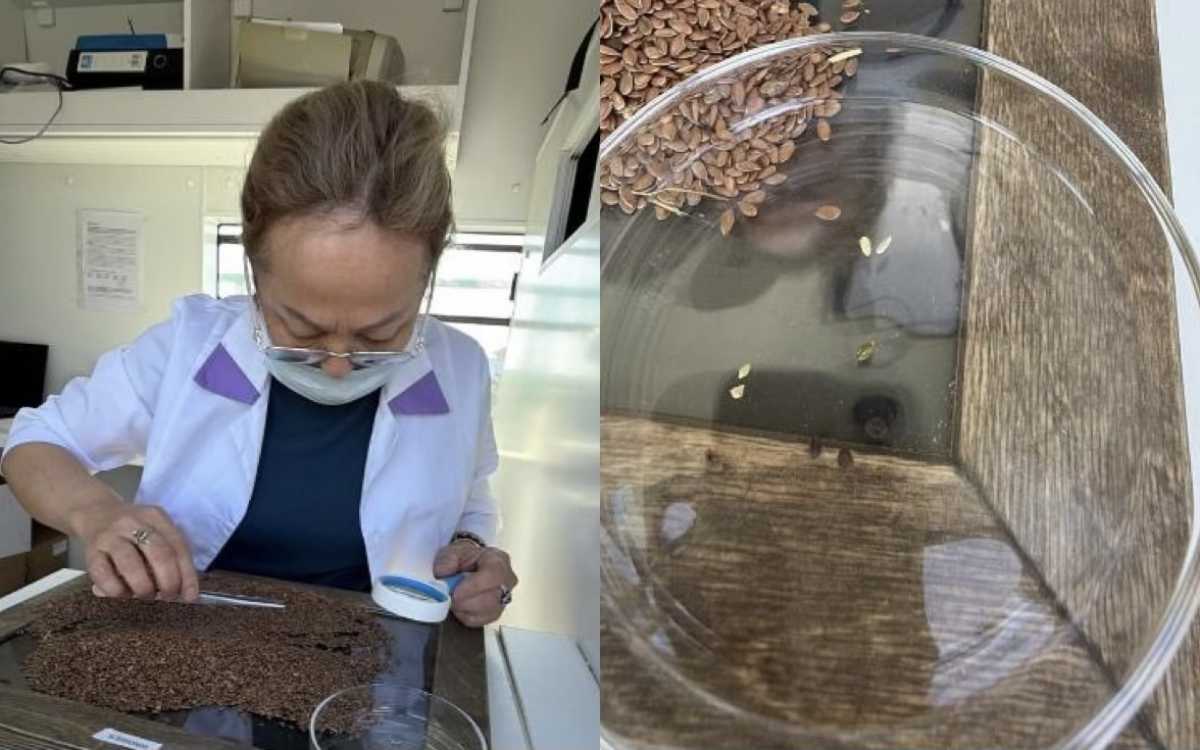
Quarantine threats found in four product groups
Kazakhstan prevented more than 113 tonnes of agricultural products from entering its domestic market after border inspections identified dangerous quarantine organisms. According to Kazlenta, citing Kazakhstan’s Ministry of Agriculture, the affected consignments contained iceberg lettuce, food barley and tomatoes supplied from Iran and Russia.
The products were stopped before they could be sold or distributed further within Kazakhstan. Accredited laboratories operated by the state enterprise Phytosanitary confirmed the findings through phytosanitary examinations, providing the basis for enforcement action against the responsible parties.
Lettuce shipments carried western flower thrips
At the Temir-Baba road checkpoint in the Mangystau region, inspectors discovered western flower thrips, or Frankliniella occidentalis, in a 9.9-tonne consignment of iceberg lettuce arriving from Iran. The insect is classified as a quarantine pest and can affect a broad range of cultivated plants.
The same pest was found at the Zhaisan control post in the Aktobe region. That detection involved 0.7 tonnes of iceberg lettuce shipped from Russia’s Orenburg region. Together, the two rejected lettuce consignments amounted to 10.6 tonnes and involved suppliers from both countries named in the report.
Russian-origin food barley accounted for most of the blocked volume. Inspectors detected creeping knapweed, or Acroptilon repens, in three barley consignments with a combined weight of 100 tonnes. The quarantine weed presents a risk to agricultural land if contaminated grain or associated plant material allows it to spread.
Tomato cargo contained two quarantine organisms
Specialists in the Aktobe region also inspected a 3-tonne tomato consignment from Russia. Tests identified both the South American tomato leafminer, Tuta absoluta, and tomato brown rugose fruit virus. Finding two regulated organisms in one shipment increases the phytosanitary concern because the cargo presented both an insect and a plant-disease risk.
Authorities drew up violation reports and submitted the case materials to court. Fines were imposed on the offenders, although the Ministry of Agriculture did not disclose their value or identify the suppliers, carriers or importers involved. The source also did not state whether the rejected goods were returned, destroyed or treated.
The ministry said enhanced phytosanitary controls on regulated imports remain in force. For growers and produce traders, the interceptions demonstrate that relatively small fresh-produce consignments can receive the same laboratory scrutiny as bulk grain shipments. Russian suppliers accounted for the 100 tonnes of barley, 3 tonnes of tomatoes and 0.7 tonnes of lettuce, while Iran supplied the 9.9-tonne lettuce load.
The immediate commercial impact is confined to the rejected consignments and any associated fines, since no broader restriction on Russian or Iranian agricultural products was announced. The enforcement action nevertheless raises the compliance stakes for exporters serving Kazakhstan: clean production sites, shipment-level inspections and accurate phytosanitary documentation are essential to avoid border rejection and disruption to buyers’ supply schedules.