Kazakhstan plans 7.6 GW of new coal capacity while diversifying its energy mix
Kazakhstan plans about 7.6 GW of new coal-fired generation as it works to secure electricity supply and reach carbon neutrality by 2060. Gas, nuclear power and renewables are expected to reduce coal’s share gradually, but experts say replacement capacity must be operating before older plants close.
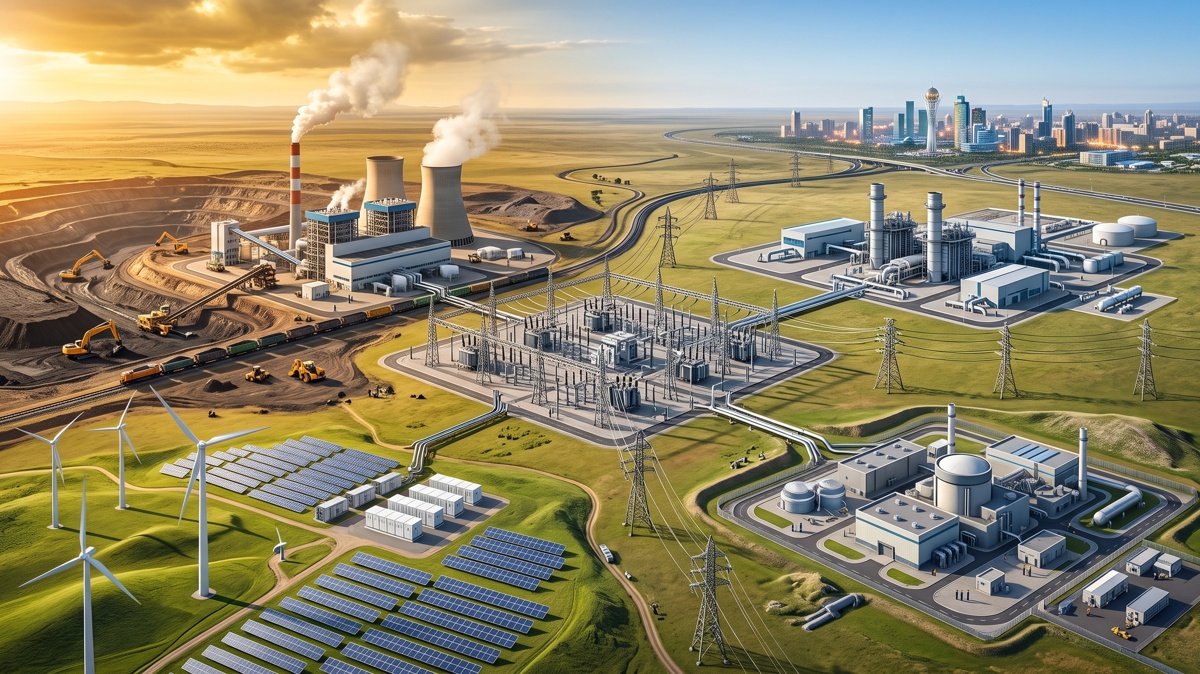
Coal remains the foundation of supply security
Kazakhstan is pursuing two objectives that will shape its power sector for decades: maintaining energy security and reaching carbon neutrality by 2060. Coal remains central to that balancing act. Kazinform reports that the country ranks among the world’s 10 leading nations for coal reserves and production, while internal indicators from the Energy Ministry put confirmed reserves at about 33.6 billion tonnes. At current consumption levels, those resources could supply the country for several hundred years.
Electricity demand is also rising as Kazakhstan opens new industrial facilities, expands digital infrastructure and adds data centres. Asel Serikpayeva, an adviser to the energy minister, told Kazinform that these consumers require uninterrupted power and make it necessary to plan generating capacity 10 to 15 years ahead. Coal-fired stations provide weather-independent baseload generation, making a rapid withdrawal from the fuel impractical before dependable alternatives are available.
Government prepares 7.6 GW of coal projects
The government is prioritising the modernisation of coal generation rather than its immediate closure. A national project developed by the Energy Ministry provides for about 7.6 GW of new coal-fired capacity. Plans include combined heat and power plants in Kokshetau, Semey and Ust-Kamenogorsk, as well as new power stations in Kurchatov and Ekibastuz. The projects are expected to use advanced flue-gas filtration and systems that capture heavy metals. Existing plants are also being upgraded.
The environmental pressure is substantial. Ecology and Natural Resources Minister Yerlan Nyssanbayev said the energy sector accounts for about 39% of Kazakhstan’s pollutant emissions. The highest level is recorded in the Pavlodar region, where the Ekibastuz GRES-1 and GRES-2 power stations are identified as the main sources. Air quality is also a major concern in Almaty. The authorities are therefore converting the city’s CHP-2 and CHP-3 plants to gas and seeking to increase the processing of ash and slag waste for construction materials, roads and other uses.
Gas, nuclear and renewables will expand gradually
Kazakhstan’s planned model combines modernised coal plants with additional gas-fired generation, renewable energy and nuclear power. Zhakyp Khairushev, managing director at the Atameken National Chamber of Entrepreneurs, said the transition must reflect the country’s energy-intensive industries, incomplete regional gas coverage, the need for backup capacity for renewables and the long investment cycle of nuclear projects. Construction of Kazakhstan’s first nuclear power station is due to begin next year, according to Kazinform.
Experts expect the power mix to diversify over the coming decade, but coal is likely to remain an important source of baseload electricity for another 10 to 15 years. Its share would decline only as replacement plants enter full operation and obsolete units are retired. Khairushev warned that cutting coal generation too early could raise electricity prices, increase reliance on imports and weaken industrial competitiveness. For producers and large power users, the pace at which gas, nuclear and renewable capacity is commissioned will therefore be as important as the announced 2060 climate objective.