Kazakhstan modernizes two sugar factories to expand domestic beet processing
Kazakhstan has completed modernization work at two sugar factories to increase processing of domestically grown sugar beet. The government expects the additional processing capability to help reduce the country’s sugar supply deficit, although no capacity or production targets were disclosed.
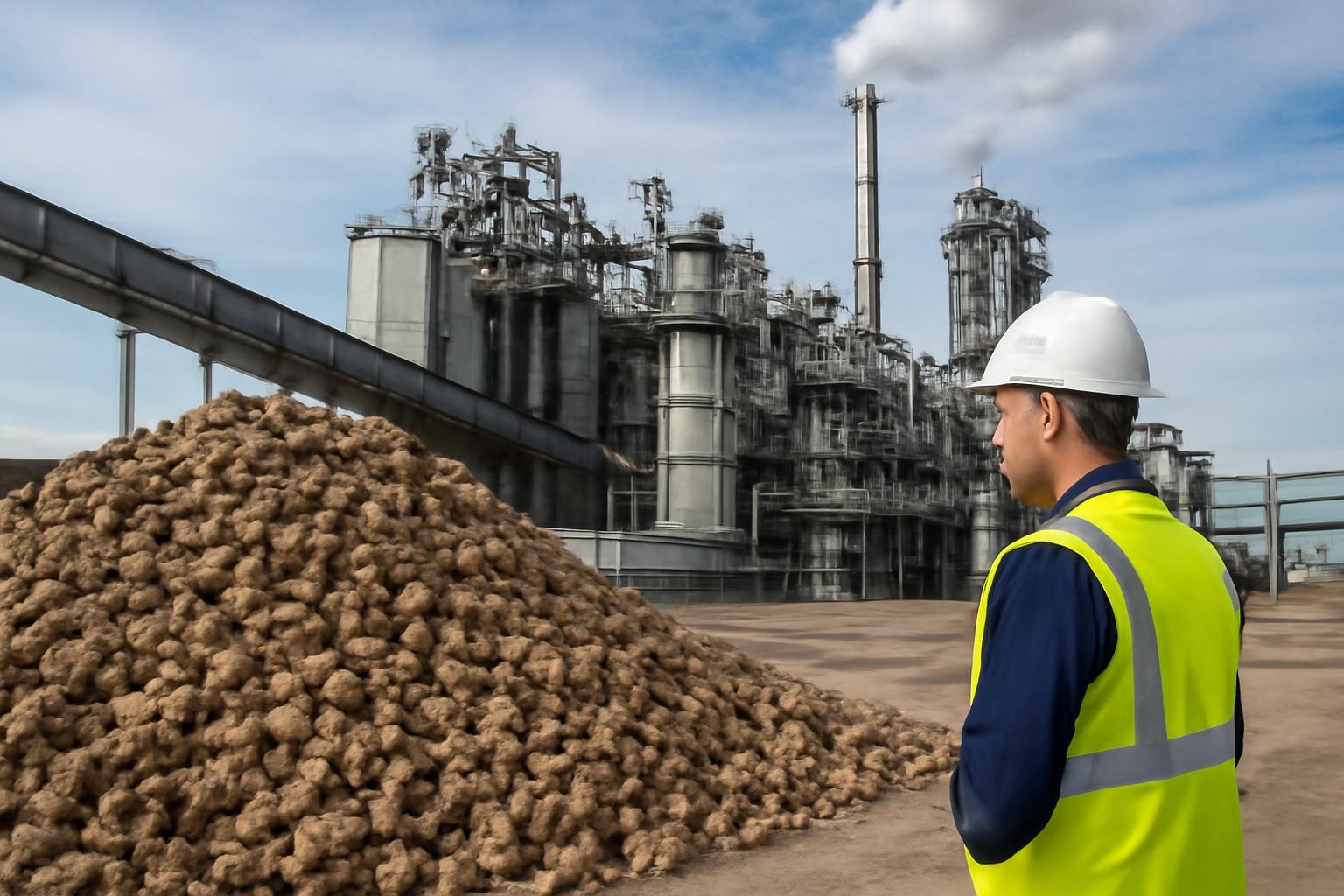
Two factories complete modernization
Kazakhstan has completed the modernization of two sugar factories as part of an effort to process more domestically grown sugar beet and reduce the country’s sugar supply deficit. Vice Minister of Agriculture Azat Sultanov announced the completion of the work, according to Kazakhstan’s Inform.kz news agency.
The available announcement did not identify the factories, disclose the cost of the projects or provide their previous and upgraded processing capacities. It also did not specify how much additional refined sugar the plants are expected to produce. The central objective, however, is clear: Kazakhstan wants a larger share of its domestic beet harvest to pass through local factories and contribute to the national sugar supply.
Processing capacity is central to beet production
For sugar beet growers, factory capacity and operating reliability are critical. Beet is a bulky and perishable crop that must be delivered and processed within a limited period after harvesting. If factories cannot accept sufficient volumes during the campaign, farmers face longer queues, storage losses and weaker incentives to expand planting in the following season.
Modernized factories could therefore support growers by accepting more domestic raw material and processing it more efficiently. The effect will depend on actual plant throughput, the length of the processing campaign and the volume and quality of beet supplied by farms. Modernization alone cannot guarantee higher sugar output if planted area, yields or factory utilization remain insufficient.
Import needs will depend on realized output
For Kazakhstan’s sugar market, the projects may reduce import requirements if they generate a sustained increase in locally refined output. The size of that effect cannot yet be calculated because the announcement provided no figures for incremental beet intake, sugar recovery or annual production. Imports may still be required to cover the gap between domestic consumption and local supply, particularly outside the beet-processing season.
The modernization also creates a closer link between agricultural production and industrial performance. Growers need predictable factory demand before committing land and inputs to beet, while processors need enough raw material to operate upgraded equipment economically. Stable contracting, timely crop collection and reliable factory operations will determine whether the investment translates into more sugar on the domestic market.
Market participants await operating data
Producers, traders and industrial sugar users will now look for evidence from the factories’ first processing campaigns after modernization. Important indicators will include the volume of domestic beet accepted, actual daily throughput, the duration of operations and the amount of sugar recovered from the crop. These data will show whether the upgrades materially narrow the deficit or mainly remove existing production bottlenecks.
The policy direction favors greater use of Kazakhstan-grown beet, but the announcement does not establish a timetable for eliminating the deficit. Until production results are published, the likely reduction in import demand remains qualitative rather than measurable. The two upgraded factories nevertheless provide Kazakhstan with additional industrial capacity to turn domestic agricultural output into locally produced sugar.