Kazakhstan Plans Centralized and Digitally Traceable Waste Management System
Kazakhstan is developing a centralized waste management system led by JSC Zhasyl Damu as the National Waste Management Center. A planned digital platform will track waste from generation to processing, while electronic trading and investment incentives are intended to expand recycling capacity.
National center to coordinate waste flows
Kazakhstan is preparing a centralized system to manage waste flows, improve transparency and support the development of recycling. JSC Zhasyl Damu has been designated as the National Waste Management Center and will coordinate cooperation among government agencies, regional authorities and businesses, Kazinform reported, citing the Ministry of Ecology and Natural Resources.
The center is expected to introduce common and transparent operating mechanisms across the sector. Its remit will cover coordination of waste movements and the institutional framework needed to treat discarded materials not only as a disposal problem but also as resources that can return to economic use.
The initiative implements the national Concept for the Management of All Types of Waste for 2026–2030. Kazakhstan’s government approved the document on December 31, 2025. According to the ministry, it is the country’s first systematic framework covering different categories of waste and establishes a basis for a transition toward circular-economy principles.
Digital platform to follow waste through the system
Digital traceability is a central part of the proposed model. Zhasyl Damu is working on a platform designed to track waste at every stage, from its generation through movement and eventual processing. The system is intended to make flows more visible to regulators and provide companies with standardized procedures.
The platform is expected to combine digital passports for waste generators, planning tools, movement-monitoring functions and a unified database of waste-management infrastructure. These components could give authorities a clearer view of where waste is produced, how it is transported and which facilities are available to receive or process it.
No launch date, investment budget or mandatory reporting timetable for the platform was disclosed in the ministry’s statement. Its commercial impact will therefore depend on the detailed rules, data standards and responsibilities assigned to waste generators, transport operators and processors.
Electronic trading and incentives for recyclers
Kazakhstan also plans to develop a market in waste materials. The proposed measures include electronic waste-trading tools and economic incentives for companies involved in recycling. A functioning marketplace could connect generators holding recoverable material with processors seeking feedstock, while digital records could support verification of volumes and movements.
For industrial waste, the authorities intend to support processing, attract domestic and international investment and create recycling capacity directly at sites where waste is generated. Locating plants near these sites could reduce the distance over which bulky materials must be transported, although the ministry did not identify specific projects, investors, waste categories or planned capacity.
Rural collection remains a separate priority
A dedicated part of the program covers municipal solid waste in rural areas. The government plans a digital management model that combines infrastructure development with modern systems for planning and organizing collection. This addresses a part of the sector where dispersed settlements can make collection and processing more difficult.
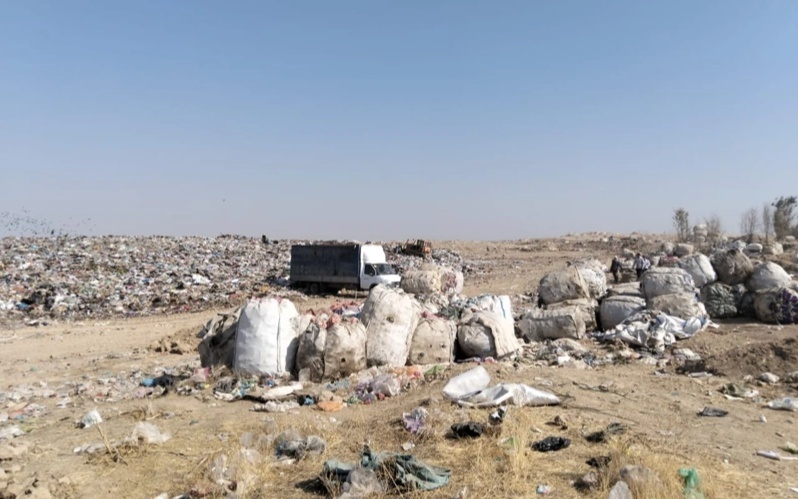
Kazinform noted that Kazakhstan generates millions of tonnes of household waste every year and that a significant share continues to go to landfills rather than recycling. The proposed system seeks to change those economics through centralized administration, traceable flows, market mechanisms and additional processing capacity. For producers, waste handlers and investors, the decisive issues will be the quality of the platform’s data, the design of incentives and whether recoverable material can be supplied to processors consistently and at commercially viable cost.