Kazakh crude shipments through CPC terminal fall by more than 7% in first half
Kazakh crude exports through the Caspian Pipeline Consortium terminal declined by more than 7% in the first half, Profit.ro reported. The terminal also supplies crude used by Romania’s operating refineries, making the reduction relevant to Black Sea feedstock availability.
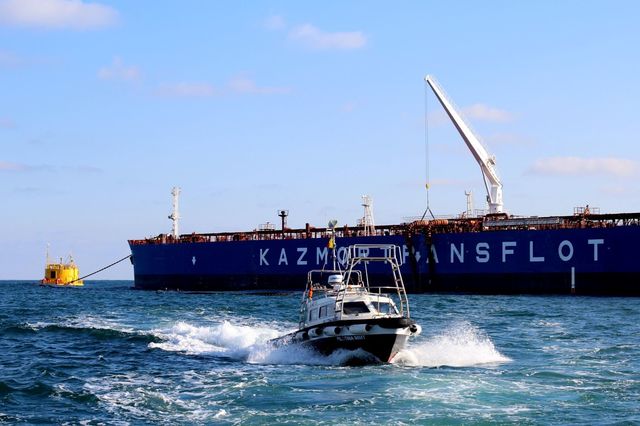
Terminal shipments decline in the first half
Kazakh crude exports through the Caspian Pipeline Consortium terminal fell by more than 7% in the first half, according to Profit.ro. The reported decline reduces the volume moving through a major outlet for Kazakhstan’s oil and narrows the crude supply available from the CPC terminal in the Black Sea.
Profit.ro described the percentage decrease in shipments as similar to the reduction in terminal activity. The available source material does not provide absolute shipment volumes, a detailed monthly breakdown or a comparison base beyond the first-half decline. It also does not identify a single operational, commercial or production-related cause for the reduction.
That distinction matters for oil-market participants. A fall in terminal loadings may reflect lower upstream supply, pipeline constraints, maintenance, weather or changes in loading schedules, but none of those explanations is confirmed by the information provided. Producers, traders and refiners therefore have a clear headline figure—more than 7%—but insufficient detail to determine whether the decline represents a temporary disruption or a broader reduction in available Kazakh crude.
Romanian refineries exposed to CPC availability
The CPC terminal is also a source of crude for Romania’s refineries that remain in operation. Profit.ro specifically identified Petromidia and Rompetrol in connection with supplies from the terminal. Lower CPC shipments are consequently relevant not only to Kazakhstan’s export capacity but also to refinery procurement in Romania and to the wider availability of crude in the Black Sea market.
A reduction of more than 7% does not establish that Romanian plants received proportionally less crude. Cargo allocation can change between buyers, and individual refineries may use inventories or alternative purchases. The source material provides no refinery-level intake figures, information on replacement cargoes or indication that processing operations were interrupted. The immediate conclusion is therefore limited to reduced aggregate terminal shipments and a potential tightening of the supply pool used by regional buyers.
For traders and refiners, the next indicators will be whether CPC activity recovers after the first half and whether the decline appears in refinery purchasing patterns. Persistent lower terminal availability would increase competition among buyers dependent on Black Sea cargoes. A short-lived decline would have a more limited effect, particularly if refiners have adequate stocks or other supply options. Based on the reported information, the scale of the reduction is known, but its duration, causes and distribution among customers remain undetermined.