Below-Cost Importer Sales at Kandla Push Indian Edible-Oil and Oilseed Prices Lower
Most Indian edible-oil and oilseed prices declined during the past week as cash-strapped importers sold cargoes below cost at Kandla port. Groundnut oil was the exception and remained stable.
Liquidity pressure reaches the physical market
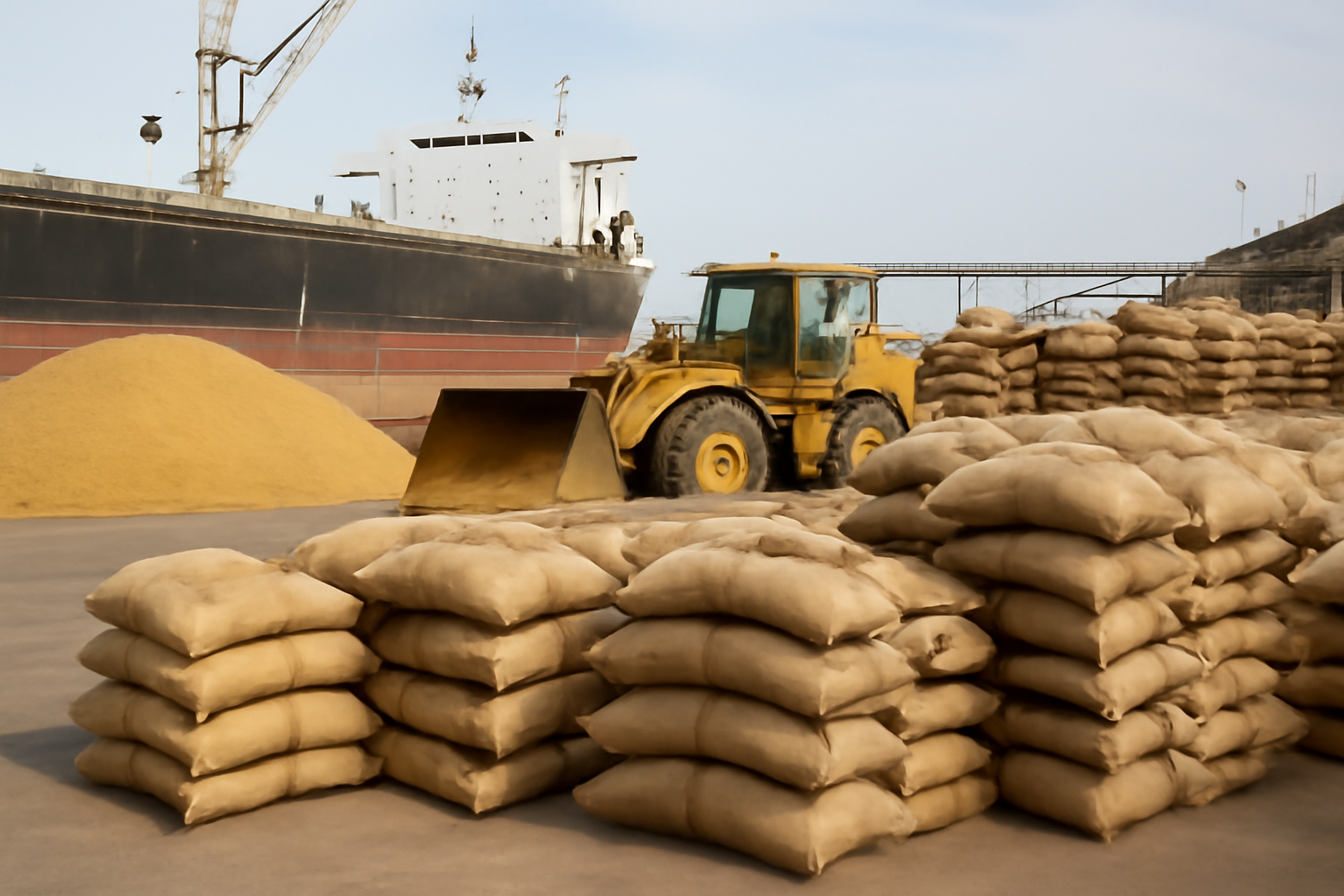
Most edible-oil and oilseed prices in India fell during the past week as importers facing a shortage of funds sold supplies below cost at Kandla port. The decline covered almost the entire market, while groundnut oil remained stable, according to a September 20 market report from New Delhi.
The report identifies financial pressure, rather than a sudden change in crop conditions or consumer demand, as the immediate cause of the weakness. Importers accepted prices below their acquisition cost to release cash, bringing discounted supplies into the domestic market and putting pressure on competing oils and oilseeds.
Kandla is therefore the focal point of the latest price movement. Selling at a major import location can quickly influence quotations elsewhere because processors and traders compare local supplies with the cost of imported oil available at port. When distressed cargoes are offered below cost, buyers gain an incentive to delay purchases or seek similar concessions from other sellers.
Groundnut oil resists the broader decline
Groundnut oil stood apart from the general fall and held steady over the week. The report does not provide a numerical price change or explain the reason for this relative stability, but the divergence shows that the impact of importer selling was not uniform across the edible-oil complex.
For crushers and domestic oilseed sellers, lower edible-oil prices can weaken the value of processed output and reduce room to pay for raw material. The effect depends on each product's exposure to imported supply, but broad price pressure can still shape negotiations across the oilseed chain. Groundnut oil's stability gives that segment a firmer reference point than the rest of the market.
The episode also separates inventory availability from inventory ownership. Oil was present at the port, yet importers' need for cash made those stocks more urgent to sell. For buyers, this creates short-term access to cheaper material. For sellers, it turns financing conditions into a direct component of the physical price.
Signals for imports and inventories
Below-cost sales may make importers more cautious about committing to additional cargoes until existing stocks are reduced and liquidity improves. The source material provides no import-volume or inventory figures, so the scale of any slowdown cannot be quantified. Even so, sustained losses on port stocks would reduce the appeal of replenishing them under the same market conditions.
Processors, traders and large buyers will be watching whether discounted sales continue after the reported week. Continued pressure would suggest that the cash shortage remains unresolved and that inventories are still competing for buyers. A reduction in distressed offers would indicate that stocks or financing needs have eased. Until then, Kandla prices are likely to remain an important indicator for India's edible-oil market, while the relative stability of groundnut oil bears watching as a test of whether weakness spreads more evenly.