Kaliningrad receives 2,100 tonnes of watermelons and melons in 2026
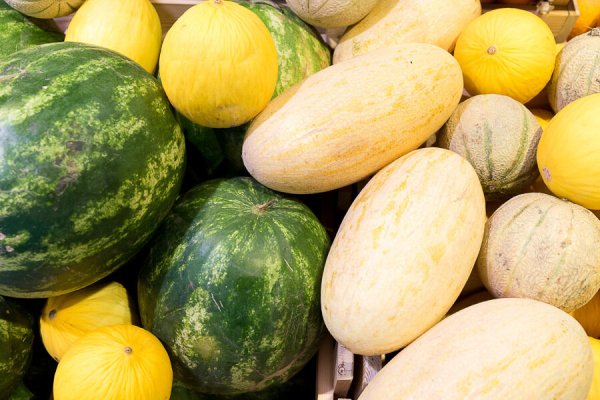
Kaliningrad Region received 2,100 tonnes of watermelons and melons from the beginning of 2026, according to the regional Rosselkhoznadzor office. The available report says the fruit came from several countries but does not provide a breakdown by product, origin or month.
Inbound volume reaches 2,100 tonnes
Kaliningrad Region imported 2,100 tonnes of watermelons and melons from the beginning of 2026, New Kaliningrad reported, citing the press service of the regional office of Rosselkhoznadzor. The shipments originated in several countries, indicating that the region’s market continued to rely on external suppliers for these seasonal fruits.
The disclosed figure combines watermelons and melons. The available source material does not separate the volume by product, supplying country, importer or shipment date. It therefore cannot show which fruit accounted for the larger share or identify the region’s leading supplier.
Data cover the year to date
The 2,100-tonne total is a cumulative figure from the start of 2026 rather than a volume for August alone. The report refers separately to the period from August 1 to August 30, but the supplied source text does not include a complete figure for those dates. A direct comparison between August deliveries and earlier inflows is consequently not possible from the published extract.
This distinction matters for companies assessing the size and timing of the market. Watermelon and melon demand is strongly concentrated in the warmer part of the year, while a year-to-date total may include consignments arriving before the main summer sales period. Without monthly data, the reported volume cannot be used to calculate the pace of imports or determine whether deliveries accelerated during August.
Origins remain unspecified
New Kaliningrad states that the shipments came from different countries, but the material provided does not name them or disclose their individual tonnage. It also gives no information on prices, border values, transport routes or the number of consignments. The data thus establish the overall physical volume entering the region, but not the commercial value or supplier shares behind it.
For importers and distributors, the presence of multiple countries of origin suggests a supply base that is not confined to one foreign market. However, the absence of country-level figures prevents an assessment of concentration risk. It is also unclear whether the recorded cargoes were intended entirely for consumption inside Kaliningrad Region or included goods subsequently distributed elsewhere.
Regulatory monitoring provides the headline figure
The information was attributed to the regional Rosselkhoznadzor office, the authority monitoring regulated agricultural cargoes. The report confirms that watermelon and melon consignments were recorded entering Kaliningrad during 2026, but it does not provide results of inspections or mention rejected, detained or non-compliant shipments.
The 2,100-tonne figure gives traders and market analysts a reference point for the region’s inbound supply. A fuller assessment would require separate volumes for watermelons and melons, monthly arrivals, countries of origin and shipment values. Until those details are available, the data primarily show the scale of physical inflows and Kaliningrad’s continued dependence on supplies originating outside the region.