Kagoshima tencha auction price rises 50% as global matcha demand grows
The average price of tencha at a Kagoshima auction reached ¥8,738 per kilogram, 1.5 times the previous year’s level. Kagoshima produced 2,670 tonnes in 2025, accounting for 43% of Japan’s output, as global matcha demand encouraged expansion.
Second-crop tencha attracts higher bids
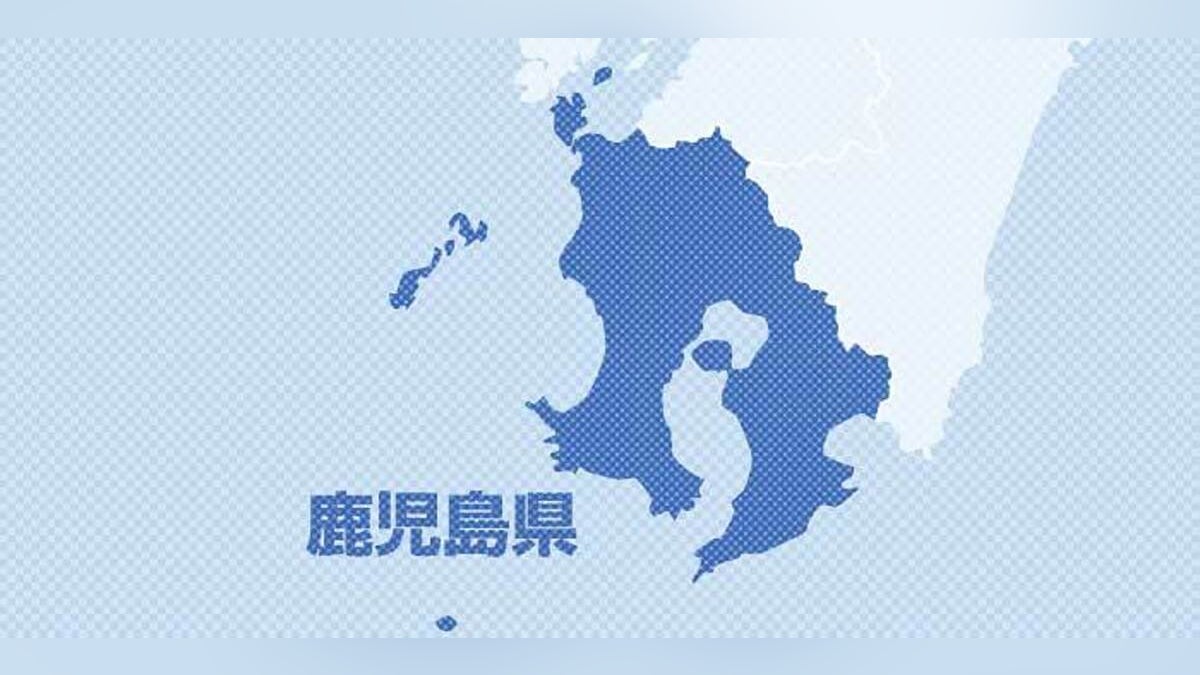
The average price of tencha rose sharply at a prefecture-wide auction in Kagoshima as worldwide demand for matcha continued to support the market for its raw material. The Kagoshima Prefecture Tea Industry Chamber held the auction on July 16 at the prefectural tea market in Kagoshima City, according to The Yomiuri Shimbun.
The sale, the second held during the current fiscal year, mainly featured tencha made from the second tea crop. The average price reached ¥8,738 per kilogram, 1.5 times the level recorded a year earlier. The highest price was ¥15,911 per kilogram, 1.6 times the previous year’s peak. The results show that buyers are paying substantial premiums for available leaf as matcha consumption expands beyond its traditional market.
Kagoshima strengthens its production lead
Tencha is the tea leaf processed into matcha after its stems and veins are removed and the remaining material is milled. Rising international interest in matcha has encouraged Japanese growers and processors to increase tencha production. Kagoshima produced 2,670 tonnes in 2025, up 24% from the previous year, The Yomiuri Shimbun reported.
The prefecture remained Japan’s largest tencha producer for a sixth consecutive year and supplied 43% of national output. That share makes Kagoshima central to the industry’s response to stronger demand. The 24% annual increase indicates that growers have already expanded supply, but the auction’s 50% rise in the average price suggests that additional production has not yet removed pressure from the market.
Auction seeks broader quality assessment
Much of Japan’s tencha is traded through direct negotiations rather than open markets. The Kagoshima Prefecture Tea Industry Chamber introduced the prefecture-wide auction in the previous fiscal year to give several tea merchants an opportunity to assess the leaf. The chamber expects this broader evaluation process to encourage improvements in quality. It may also give producers a clearer market reference at a time when demand and prices are changing rapidly.
The latest auction provides a visible price signal for growers, processors and tea merchants, although it represents only part of a market dominated by negotiated transactions. Higher prices can support investment in tencha production and reward quality, but they also raise raw-material costs for matcha processors. Importers and beverage or food manufacturers using Japanese matcha may consequently face tighter purchasing conditions if elevated leaf prices persist.
Industry warns about affordability
Toru Mitsumura, executive director of the chamber, described the matcha boom as a tailwind for the industry but warned that prices have remained too high for ordinary consumers to keep pace. He said the sector also needs sustainable initiatives that are not dictated by a temporary boom.
That concern highlights the balance facing Kagoshima’s tea industry. Producers are benefiting from stronger demand and record-high regional importance, while processors and consumers must absorb more expensive raw material. Continued production growth could ease some supply constraints, but the sector must also preserve quality and build demand capable of surviving beyond the current wave of global interest.