K-Food Exporters Test Traditional Drinks and New Products After Paris Showcase Draws 70,000
A K-food showcase in Paris attracted 70,000 visitors as Korean suppliers assessed products with potential for wider European distribution. Traditional alcoholic beverages, including omija sparkling wine and Korean distilled spirits, were presented as prospective export categories.
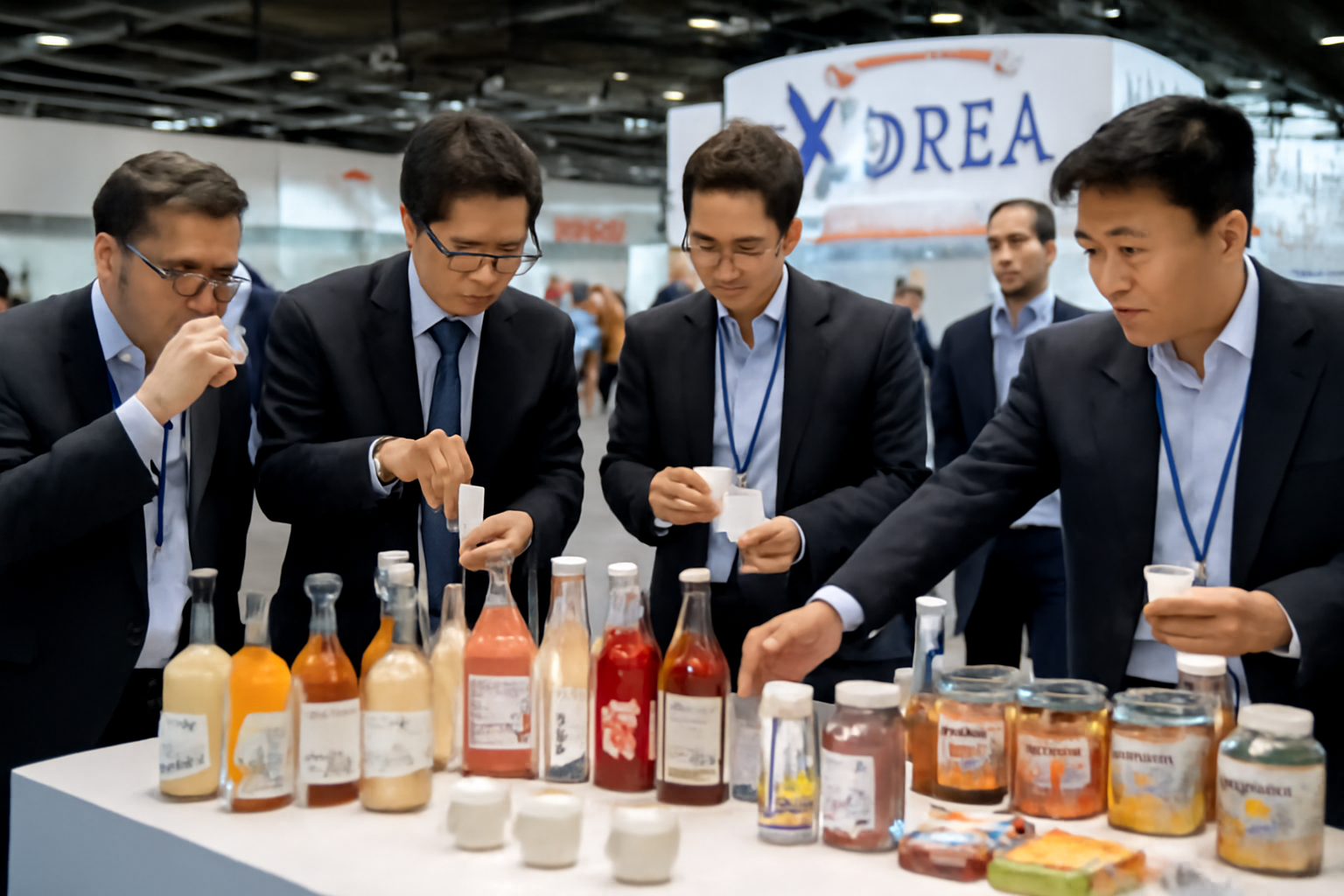
Paris turnout tests European demand
Korean food exporters are testing the next group of products that could support growth in Europe after a K-food showcase in Paris attracted 70,000 visitors. The attendance figure provides evidence of broad consumer curiosity, but the commercial test will be whether suppliers can turn event traffic into repeat purchases, distributor agreements and permanent shelf space.
KFDN reported that the event was being used to begin a wider push into Europe. The products highlighted included Korean traditional alcoholic beverages, extending the K-food proposition beyond meals, snacks and ingredients into a category where origin, serving occasion and brand story strongly influence purchasing decisions. For producers, the showcase offered direct exposure to a large audience in one of Europe’s most visible food and beverage markets.
Traditional alcohol joins the export lineup
An omija sparkling wine was among the drinks introduced. The product had previously been selected as the luncheon toast during French President Emmanuel Macron’s visit to South Korea in April, according to KFDN. Korean distilled spirits were also presented as exporters sought to raise awareness of the country’s alcoholic beverages.
The two formats address different opportunities. Sparkling wine made with omija can be positioned around a recognisable European drinking occasion while retaining a distinctly Korean ingredient. Distilled spirits enter a market shaped by established categories and brands, making education, tastings and clear serving suggestions particularly important. Neither product’s sales, production volume, price or distribution footprint was disclosed in the supplied material, so the Paris attendance should be treated as an indicator of interest rather than confirmed demand.
Distribution will determine the next stage
Europe is not a single consumer market. Alcohol rules, taxes, labels, distribution channels and drinking preferences differ between countries. Exporters therefore need to identify which products can move beyond cultural events and specialist retailers into restaurants, bars and broader retail networks. Importers will also look for reliable supply, compliant packaging and enough margin to fund promotion in markets where Korean traditional drinks remain unfamiliar.
The Paris showcase gives suppliers a pool of consumer feedback and a platform for conversations with potential trade partners. Its value will depend on what follows: local listings, repeat orders and sustained promotion. For Korean producers, traditional alcohol may complement established interest in Korean cuisine, but it will need its own route to market. A drink purchased as a novelty at a large event does not automatically become a regular item in European hospitality or retail.
The 70,000 visitors nevertheless give exporters a substantial base from which to assess reactions to unfamiliar flavours and formats. The next phase is likely to be product selection rather than a uniform push across every category. Companies that adapt presentation and consumption cues without removing the products’ Korean identity will be better placed to test whether attention around K-food can support durable beverage sales.