Jordan Halts Lemon Imports From August 25 to Ease Pressure on Local Growers
Jordan will stop admitting imported lemons from August 25, 2026, following coordination between the Ministry of Agriculture and the Jordan Valley Citrus Association. The measure addresses a domestic marketing glut, with reported imports of about 6,250 tonnes between April 1 and August 20.
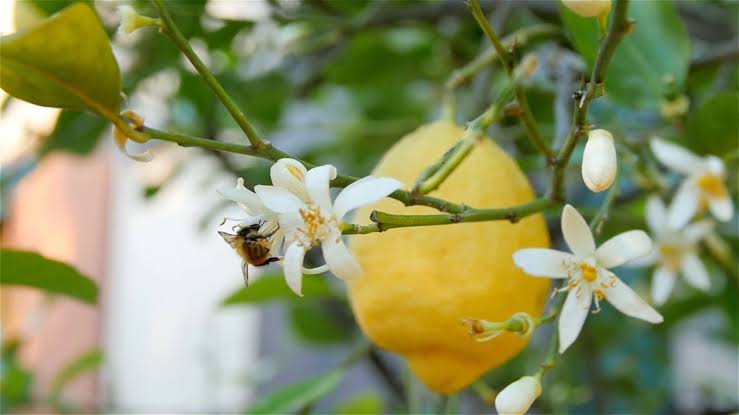
Import cutoff set for August 25
Jordan will stop admitting new shipments of imported lemons to its domestic market from Tuesday, August 25, 2026, following an agreement between the Ministry of Agriculture and the Jordan Valley Citrus Association. The decision is intended to address difficulties marketing the local lemon crop and reduce pressure on Jordanian citrus growers during the domestic supply season.
Saraya News and Jordan Zad reported that the measure followed coordination between the ministry and the growers’ association over what the publications described as a lemon marketing crisis. No additional imported quantities will be allowed into Jordanian markets after the cutoff. The supplied source material does not identify the countries currently supplying Jordan or specify how long the suspension will remain in effect.
Enforcement extends to wholesale markets
According to a statement from the Jordan Valley Citrus Association cited by both publications, imported lemons found in central wholesale markets after the suspension date will be destroyed. The authorities will also take legal action against parties that violate the decision. This makes the measure more than a restriction on new customs clearance: it also targets imported stocks circulating through the principal markets after August 25.
The sources do not state whether lemons cleared before the deadline may be sold through retail channels after that date, or whether the destruction rule applies to all remaining imported stock. Importers, warehouse operators and wholesalers will therefore need to establish the status of their inventories and ensure that products subject to the decision do not enter central markets after the cutoff.
Import data contradict the 12,000-tonne claim
The association said data from the relevant authorities showed total lemon imports of 6,264 tonnes from April 1 through August 20, 2026. Jordan Zad added that 5,746 tonnes had been placed on the market. The same reports cited official and customs data giving a slightly different total of 6,246 tonnes when rejecting claims that 12,000 tonnes had entered Jordan.
According to the association, the 12,000-tonne figure was inaccurate because movements into and out of bonded warehouses in free zones had effectively counted the same quantity more than once. The two reported totals of 6,264 tonnes and 6,246 tonnes differ by 18 tonnes; the available material does not explain that discrepancy. Both figures nevertheless put actual imports at roughly half the disputed 12,000-tonne estimate.
Domestic supply gains temporary protection
The immediate beneficiaries are Jordanian lemon growers seeking outlets for their harvest. Removing imported supply from central markets can give local fruit more space in wholesale channels, although the sources provide no production, stock or price data with which to measure the size of the domestic surplus. They also do not identify any compensation or transition arrangements for importers holding contracted or stored cargo.
The headlines supplied for this report also refer to a timetable for apple imports, but the fetched source texts contain no apple cutoff date, volume or enforcement provision. Those details cannot be confirmed from the available material. For the lemon trade, the practical deadline is clear: new imports stop on August 25, while market participants face stock enforcement and possible legal action after that date.